
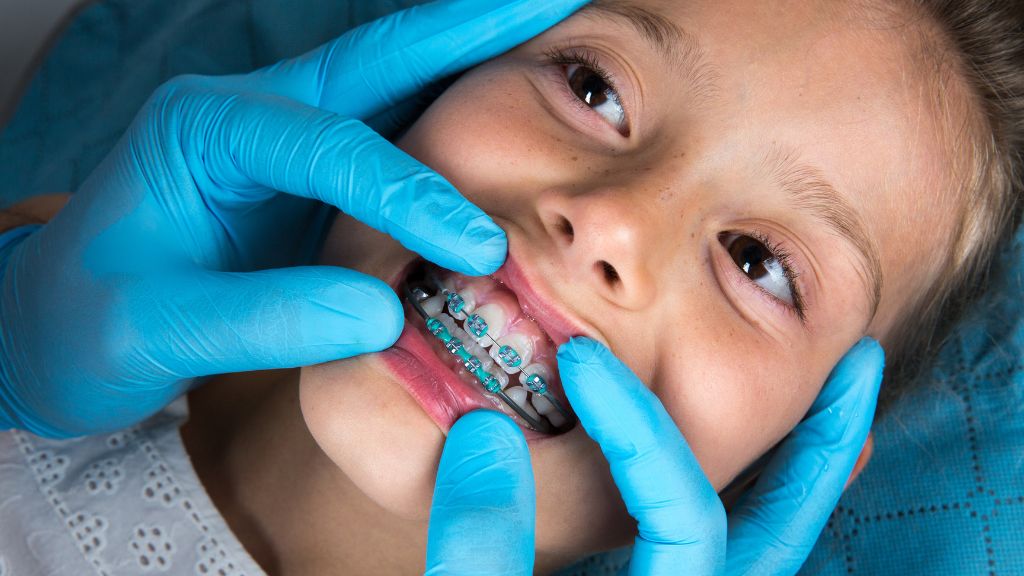
Most people know about wisdom teeth getting stuck. But canine teeth? That surprises people. Yet an impacted canine tooth is one of the more common dental issues orthodontists and oral surgeons deal with – especially in children and teenagers. If you or your child has been told that a canine tooth isn’t coming in the way it should, this article breaks down what that actually means, what the treatment involves, and what to expect along the way. What Does It Mean When a Canine Tooth Is Impacted? A canine tooth – sometimes called a fang or maxillary canine – is the pointed tooth that sits between your incisors and premolars in the dental arch. These teeth play a big role in how your jaw bites and how your smile looks. When they fail to erupt properly through the gums and take their correct place in the mouth, they’re considered impacted. Tooth impaction happens when something blocks the tooth’s path. That could be a baby tooth that didn’t fall out on time, overcrowding, an ectopic tooth (one growing in the wrong direction), or occasionally a condition called hyperdontia, where extra teeth crowd the area. Unlike a wisdom tooth, which dentists often recommend removing when impacted, the canine tooth is too important to extract unless absolutely necessary. It anchors your bite, supports the lip, and contributes to the structure of your dental arch. How Is an Impacted Canine Diagnosed? Your dentist will usually catch this issue during a routine evaluation, often through X-rays. The diagnosis considers the tooth’s position and angle, as well as whether it is putting pressure on neighboring teeth such as the maxillary lateral incisor or other molars. Catching this early – ideally when a child is between 10 and 13 years old – gives the best chance for successful treatment through orthodontics alone or a combination approach with oral surgery. What Are the Impacted Canine Treatment Options? Treatment typically involves a coordinated effort between an orthodontist and an oral and maxillofacial surgeon. Here’s how the process generally unfolds. Step 1: Orthodontic Preparation If there isn’t enough space in the dental arch for the canine tooth to come through, dental braces or other orthodontic appliances are used to create room. This phase may take several months before surgery is even considered. Step 2: Surgical Exposure Once space is ready, an oral surgeon exposes the impacted tooth. This is a minor surgical procedure performed in-office under local anesthetic or IV anesthesia, depending on patient comfort and the complexity of the case. The surgeon makes a small opening in the gum tissue overlying the tooth. In some situations, a small amount of bone may need to be gently moved. A bracket, often attached to a small gold chain, is then bonded directly to the exposed tooth surface. Step 3: Guided Eruption With Orthodontics After surgery, the orthodontist attaches the chain to the braces and gradually applies light tension to guide the tooth into its correct position over time. This process can take anywhere from several months to over a year depending on how far the tooth needs to travel. What Happens During Recovery After Impacted Canine Surgery? Most patients experience manageable discomfort after the procedure. Edema (swelling) and some bleeding are normal in the first day or two. Gauze pressure helps with initial bleeding, and your surgeon will provide guidance on how long to use it. Pain is typically controlled with an analgesic – often an over-the-counter medication like ibuprofen. In some cases, a short course of prescription medication may be provided, though opioid prescriptions for this type of procedure are uncommon when managed well. Soft foods, avoiding strenuous activity, and following your surgeon’s post-op instructions will support smooth tissue healing. What Happens If an Impacted Canine Is Left Untreated? Leaving the tooth alone can lead to more serious problems. Tooth resorption – where the roots of nearby teeth are damaged – is one significant risk. The impacted tooth can also shift into a position that harms other teeth or becomes increasingly difficult to treat with standard orthodontics. Early diagnosis and action protect the surrounding teeth and preserve the long-term health of your bite and smile. What to Expect From Impacted Canine Treatment An impacted canine tooth sounds complicated, but treatment is well-established and manageable when handled by the right team. The process takes patience, but the outcome – a fully functional tooth in the right place – is worth it. If you or your child has been told a canine tooth isn’t coming in properly, don’t wait on it. Learn more about what treatment involves by visiting the Impacted Canines service page, or call CTX Oral Surgery and Dental Implants at 512-737-3266 or 254-773-4444 to schedule a consultation.

Surgery for Sleep Apnea: When Do You Need It?
If you have been using a CPAP machine and still waking up exhausted, you are not alone. Millions of people are prescribed continuous positive airway pressure therapy and find that it simply does not work for them in the long run. The mask is uncomfortable, the noise is disruptive, and compliance drops fast. The good news is that CPAP is not your only option. Surgery for sleep apnea can be an option in situations like this. When the underlying structure of your airway is the problem, a surgical solution can address the root cause rather than just manage symptoms night after night. Why CPAP Works for Some People but Not Others CPAP is effective when used consistently and correctly. The challenge is that consistent, correct use is genuinely difficult for a large portion of patients. Studies suggest that anywhere from 30 to 50 percent of CPAP users are non-compliant within the first year, meaning they either stop using it entirely or do not use it enough hours per night to get real benefit. For some patients, the issue goes beyond comfort. Their airway anatomy – narrow jaw structure, enlarged tissues, or the position of the tongue and soft palate – creates obstructions that air pressure alone cannot reliably correct. In those cases, surgical intervention becomes not just an option, but the more logical path forward. What Is Obstructive Sleep Apnea, and Why Does It Matter? Obstructive sleep apnea, or OSA, happens when the soft tissues at the back of the throat collapse during sleep, partially or completely blocking the airway. This causes you to stop breathing repeatedly throughout the night, sometimes dozens or even hundreds of times per hour. The consequences go well beyond feeling tired. Untreated obstructive sleep apnea is linked to high blood pressure, heart disease, stroke, Type 2 diabetes, and cognitive decline. It is a serious medical condition that deserves a serious treatment strategy. Who Is a Candidate for Sleep Apnea Surgery? Not every sleep apnea patient needs surgery. But certain situations make surgical evaluation a smart next step. You may be a strong candidate if you have tried CPAP and cannot tolerate it long-term, if your sleep study results show moderate to severe apnea, or if imaging reveals structural issues with your jaw, airway, or surrounding tissues. Patients who have been told they have a small or recessed lower jaw are often particularly good surgical candidates. An oral and maxillofacial surgeon is uniquely trained to evaluate the relationship between your jaw structure, airway, and sleep quality. This is not guesswork. It involves a detailed clinical evaluation, imaging, and often collaboration with a sleep medicine physician to build a complete picture of what is happening. Surgical Options for Sleep Apnea Treatment There is no single surgery that works for every patient. The right procedure depends on where the obstruction is occurring and what the underlying anatomy looks like. Here is a look at the most clinically proven surgical approaches. Maxillomandibular Advancement (MMA) Maxillomandibular advancement is widely considered the gold standard in surgical sleep apnea treatment. It involves moving both the upper jaw (maxilla) and the lower jaw (mandible) forward to physically expand the airway. By repositioning the jaw, the surgeon creates more space at the back of the throat where the airway collapses. Research consistently shows that MMA has success rates of 85 to 90 percent, making it one of the most effective long-term solutions available for moderate to severe OSA. It is a significant procedure, but for the right patient, it can be life-changing. Genioglossus Advancement The genioglossus is the muscle that controls the tongue. In patients with OSA, the tongue falls backward during sleep and narrows the airway. Genioglossus advancement repositions the attachment point of this muscle to prevent that backward collapse. This procedure is often performed alongside other surgeries as part of a staged treatment approach. It targets a specific anatomical contributor to airway obstruction and can meaningfully reduce apnea severity on its own or in combination with MMA. Hyoid Suspension The hyoid bone sits at the base of the tongue and plays a role in airway stability. Hyoid suspension is a procedure that repositions this bone to help hold the airway open during sleep. Like genioglossus advancement, hyoid suspension is often used as a component of a broader surgical plan rather than as a standalone treatment. It addresses the lower portion of the airway that contributes to collapse in some patients. Uvulopalatopharyngoplasty (UPPP) UPPP is one of the more well-known sleep apnea surgeries. It involves removing excess tissue from the soft palate, uvula, and throat to widen the upper airway. It is most effective when the primary site of obstruction is in the upper throat rather than further down. Outcomes vary depending on patient anatomy, which is why thorough evaluation before any surgery is so important. What to Expect From the Surgical Process The path to sleep apnea surgery is not rushed. It starts with a thorough consultation where your surgeon reviews your sleep study results, medical history, and imaging. From there, a surgical plan is developed that is specific to your anatomy and the severity of your condition. Procedures like MMA are performed under general anesthesia. The oral and maxillofacial surgeons at CTX Oral Surgery and Dental Implants are trained in hospital-based surgical procedures and IV anesthesia, which means patients are in experienced, capable hands throughout the entire process. Recovery timelines vary depending on the specific surgery performed. MMA typically involves several weeks of dietary modification and limited activity, while less involved procedures may have shorter recovery periods. Your surgical team will walk you through exactly what to expect before you ever go into the operating room. How Sleep Apnea Surgery Compares to Long-Term CPAP Use It is fair to ask whether surgery is worth it compared to just sticking with CPAP. For patients who genuinely cannot tolerate or comply with CPAP, the comparison becomes straightforward. A treatment you do not use provides zero benefit. Surgery addresses the physical cause of
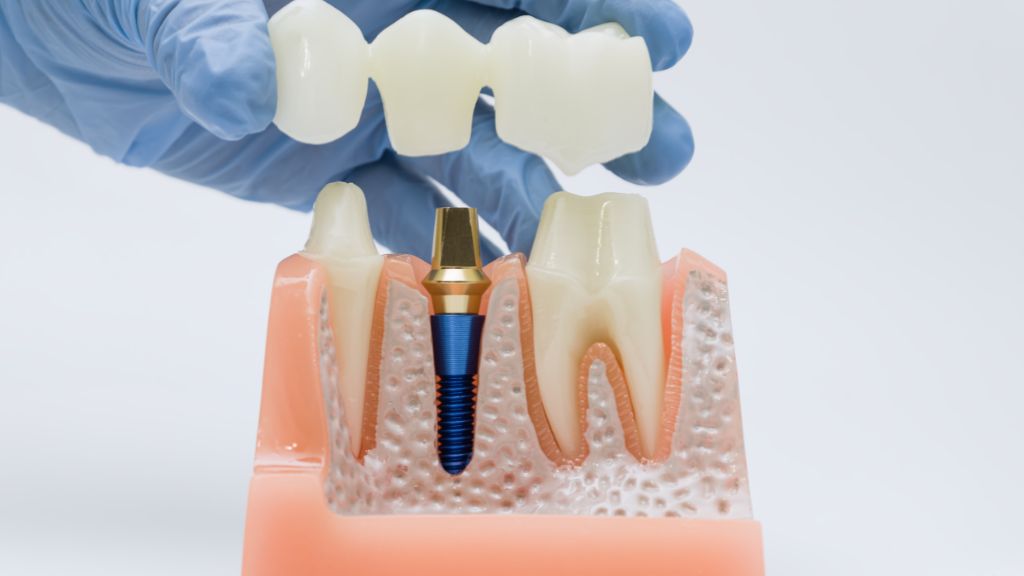
How Long Do Dental Implants Last Before Replacement?
If you’ve been researching tooth replacement options, you’ve probably come across a claim that sounds almost too good to be true: dental implants can last a lifetime. But what does that actually mean? And is it realistic for the average patient? The short answer is yes – with the right care and the right surgical team, dental implants are built to last for decades, often outliving the crown placed on top. What Makes Dental Implants So Durable? A dental implant is not just a prosthesis sitting on top of your gums. It’s a titanium post surgically placed into the mandible – your jawbone – where it fuses directly with the bone through a process called osseointegration. This fusion is what separates implants from alternatives like dentures or a dental bridge. Rather than resting on soft tissue or relying on neighboring permanent teeth for support, the implant becomes part of your dental anatomy. That structural integration is the foundation of its long-term durability. How Long Do Dental Implants Actually Last? Research in dentistry consistently shows that dental implants have a success rate above 95% over ten years. Many studies track patients for 20 to 30 years with implants still functioning well. The titanium post itself can last a lifetime in many cases. The crown – the visible tooth-shaped restoration on top – typically lasts 10 to 15 years before it may need replacement due to normal wear. That distinction matters. Even if the crown needs attention down the road, the implant below may still be perfectly intact. What Affects How Long Your Implant Lasts? Not every patient’s experience is the same. Several factors influence the long-term success of an implant. How Do Implants Compare to Other Options? Tooth loss creates real consequences beyond appearance. When a tooth is missing, the jawbone beneath it begins to deteriorate over time from lack of stimulation. Dentures and bridges do not stop that process. A dental implant does. That bone preservation benefit is part of why implants are considered the gold standard for tooth replacement in modern dentistry. They protect your oral structure while restoring function and your smile in a way that feels and works like a natural tooth. Can You Make Your Implant Last Longer? Absolutely. The patients who get the most out of their implants are the ones who treat them like natural teeth – because in many ways, they function like them. Here is what consistent long-term care looks like: The implant itself does not decay the way a natural tooth can, but the surrounding tissue and bone still need attention. Who Places Dental Implants at CTX Oral Surgery? At CTX Oral Surgery and Dental Implants in Georgetown, TX, implants are placed by board-certified oral and maxillofacial surgeons with advanced training in implant procedures and bone grafting. Every patient receives a personalized evaluation before any treatment begins, ensuring the plan fits their health history, bone structure, and long-term goals. As a practitioner-owned practice, the team here is focused on your health and outcome – not a corporate checklist. How to Help Your Dental Implants Last a Lifetime Dental implants are one of the most reliable investments you can make in your oral health. With proper care, the implant post can last decades – and for many patients, a lifetime. The key is working with experienced surgeons and committing to consistent maintenance. If you are considering implants and want to understand whether you are a good candidate, learn more about dental implants at CTX Oral Surgery or call 512-737-3266 or 254-773-4444 to schedule your consultation.

How to Sleep After Wisdom Teeth Removal Without Pain
Getting your wisdom teeth removed is one of the most common procedures in oral and maxillofacial surgery, but what happens after you leave the office matters just as much as the surgery itself. One of the biggest concerns patients have – especially in those first few nights – is how to sleep safely without disturbing the healing process or triggering dry socket. If you have questions, the team at CTX Oral Surgery and Dental Implants is here to help you recover well and feel confident every step of the way. What Is Dry Socket and Why Does Sleep Matter? Dry socket, known clinically as alveolar osteitis, happens when the blood clot that forms in the tooth extraction site is dislodged or dissolves too early. That clot – or thrombus – is not just there to stop bleeding. It protects the underlying bone and nerve from exposure, which is what causes the intense pain associated with dry socket. Sleep plays a surprisingly important role in your recovery. The position of your head and the way you move during the night can affect blood flow around the extraction site and potentially disturb the clot. How to Sleep Safely After Wisdom Teeth Removal Keep Your Head Elevated For at least the first 24 to 48 hours after your dental extraction, sleep with your head elevated above your heart. Use two or three pillows to prop yourself up at an angle. This helps reduce edema – swelling in the cheek and jaw area – and slows any residual bleeding. Lying completely flat can increase blood pressure in the surgical area, which may loosen the clot and put you at higher risk for dry socket. Sleep on Your Back, Not Your Side Sleeping on your side puts pressure on your cheek and jaw, which can irritate the wound and push bacteria toward the extraction site. Sleeping on your back with proper pillow support is the safest position after wisdom teeth removal. It keeps your mouth elevated, reduces direct pressure, and helps prevent accidental mouth opening that can dry out the area. Avoid Sleeping With Gauze in Your Mouth Your surgeon will likely have you bite down on gauze immediately after surgery to control bleeding. However, do not sleep with gauze in your mouth. Swallowing or choking on gauze during sleep is a real risk, and the surgeon will give you clear instructions about when to remove it before you rest. What to Do Before Bed Each Night During Recovery Preparation before sleep makes a big difference. Here is a simple routine to follow: Avoid alcohol entirely during recovery. Alcohol thins the blood, interferes with your analgesic medication, and can slow the healing of the wound significantly. Signs and Symptoms That Something Is Wrong Even with the best sleep habits, it is important to know when to call your oral surgeon. Watch for these warning signs: Dry socket and infection are both conditions that need prompt attention. Do not try to manage serious signs and symptoms on your own. The health of your mouth – and your overall health – depends on getting proper care quickly. What About Impacted Wisdom Teeth? Impacted wisdom teeth require more complex extraction, often involving deeper incisions and more extensive surgery. If your wisdom tooth was impacted, recovery tends to take a little longer and sleeping safely becomes even more critical. The wound is larger, anesthesia effects may linger, and swelling is often more significant. Following your post-operative instructions carefully is not optional in these cases – it is essential. How to Protect Your Sleep and Healing After Wisdom Teeth Removal Recovering from wisdom teeth removal does not have to be stressful. Sleep with your head elevated, stay off your side, skip the straw, and follow your surgeon’s instructions closely. The first few nights are the most important for protecting that clot and avoiding dry socket. If you are preparing for your procedure or experiencing concerns after surgery, learn more about what to expect with wisdom teeth removal at CTX Oral Surgery and Dental Implants. You can also reach the team directly at 512-737-3266 or 254-773-4444to get your questions answered.
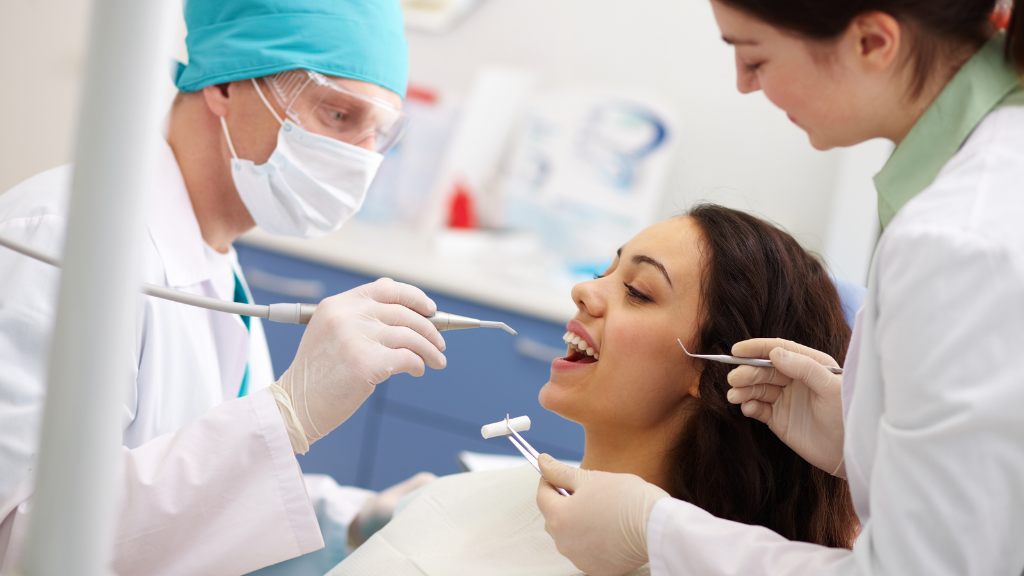
Dental Bone Graft Healing Stages Explained
If you have been told you need a bone graft before getting dental implants, it is completely normal to feel a little overwhelmed. Most patients hear the words “bone grafting” and immediately wonder what recovery actually looks like. How long will it take? What will hurt? When can you go back to normal? The good news is that healing follows a fairly predictable pattern. Understanding each stage week by week can help you feel less anxious and more prepared for what is ahead. What Is a Dental Bone Graft and Why Does It Matter? A dental bone graft is a surgical procedure that adds bone material to an area of the jaw where bone density has been lost. Tooth loss, periodontal disease, dental extraction, injury, or conditions like osteoporosis can all cause the jawbone to shrink over time. When there is not enough bone to support a dental implant, a graft is needed to rebuild that foundation. The graft material can come from your own body (an autogenous bone graft), from donor tissue, or from synthetic materials like hydroxyapatite. Regardless of the source, the goal is the same: encourage your body’s own cells to grow new bone through a process called ossification. In oral and maxillofacial surgery, bone grafts are also used alongside procedures like a sinus lift, which adds bone to the area near the paranasal sinuses to support upper jaw implants. Socket preservation is another common application, done immediately after a tooth is pulled to prevent bone loss in the empty socket. What Happens Right After Surgery: Days 1 Through 3 The first 72 hours are the most intense part of recovery. Your body is in immediate repair mode, and several things will happen at once. Edema (swelling) and bruising around the jaw and gums are completely expected during this window. You may notice some bleeding from the surgical site, which is normal in small amounts. Your oral surgeon will likely prescribe an antibiotic to prevent infection and an analgesic for pain management. Over-the-counter drugs like ibuprofen can also help reduce inflammation when taken as directed. Anesthesia and sedation will have worn off by the time you get home, so you need a responsible adult with you for the rest of that first day. Do not smoke, use a straw, or disturb the surgical site with your tongue. The formation of a blood clot at the surgical site is critical – disturbing it can delay healing or cause complications. Your diet during this period should be soft, cool, and easy to chew. Think yogurt, mashed potatoes, and broth. Nutrition matters even in these early days because your body needs protein and other nutrients to begin tissue repair. The First Week: Blood Clot Stabilization and Early Soft Tissue Response By the end of the first week, the initial swelling typically starts to subside. The soft tissue around the graft site is beginning to close, and early-stage healing is underway beneath the surface. You may still experience discomfort, but it should be manageable with medication. Saliva plays an important role during this phase. It contains proteins that help protect the wound and support tissue regeneration. Rinsing gently with warm salt water can keep the area clean without disturbing the graft. This is also when patients are most tempted to overdo it. Avoid exercise, heavy lifting, or anything that raises your blood pressure. Elevated pressure can disrupt the clot and increase the risk of complications. Follow your surgeon’s post-op instructions closely – they are specific to your case for a reason. Watch for signs of infection during this week: increasing pain rather than decreasing, fever, unusual discharge, or a foul taste. Contact your surgeon if any of these appear. Weeks Two and Three: Soft Tissue Closure and Early Bone Activity During weeks two and three, the gums and soft tissue around the graft site typically close over the wound. This is a visible sign that surface healing is progressing. The deeper work – actual bone regeneration – is happening much more slowly beneath the surface. Your body is now recruiting specialized cells called osteoblasts to begin laying down new bone structure. This process is part of bone remodeling, the same biological mechanism your body uses to maintain and repair bone throughout life. It does not happen overnight, and you will not feel it – but it is happening. At this stage, you can usually return to most normal daily activities and a more varied diet. However, you should still avoid hard, crunchy, or chewy foods that could place pressure on the healing jaw. Your dentist or surgeon will guide you on what foods are safe. Smoking is one of the most significant risks to successful bone grafting at every stage of healing. It reduces blood flow, impairs tissue healing, and dramatically increases the risk of graft failure. If you smoke, now is the time to pause entirely. Weeks Four Through Eight: New Bone Formation Begins By the one-month mark, bone formation is actively underway. The graft material is beginning to integrate with your natural bone, and osteon structures – the building blocks of mature bone – start to form. This is sometimes referred to as early osseointegration, even though the term is more commonly associated with dental implants themselves. This phase is largely invisible to the patient. You will not feel the bone growing. Many patients actually feel quite good at this point and assume they are fully healed. It is important to understand that the internal bone density rebuilding process takes much longer than surface healing. Your surgeon may take X-rays during a follow-up appointment to assess how the graft is integrating. This is a routine part of monitoring in dentistry and oral surgery. The results help determine whether the graft is progressing as expected or whether any adjustments to your care plan are needed. What Can Slow Down Healing? Several factors can interfere with proper bone graft healing: If you have concerns about any of these factors, speak
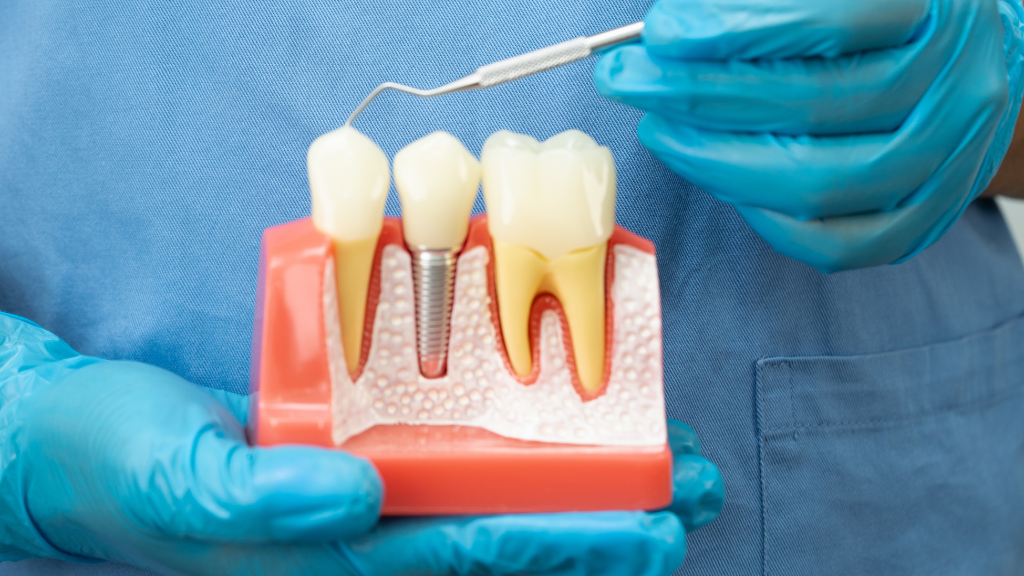
Can You Get Dental Implants With Gum Disease?
If you have been told you have gum disease and assumed that dental implants were no longer an option for you, you are not alone. Many patients hear this and believe the door has closed on restoring their smile. The good news is that it has not. Treating periodontal disease first actually opens that door. What Gum Disease Actually Does to Your Mouth Periodontal disease is a bacterial infection of the gums and the bone supporting your teeth. It starts quietly, often as gingivitis, with symptoms like bleeding on probing, mild inflammation, and dental plaque buildup along the gumline. Left untreated, it progresses deeper into the gum tissue and periodontal pockets, breaking down soft tissue and bone. This leads to tooth mobility, calculus deposits, and eventually tooth loss. The same bacteria that destroy natural teeth can threaten dental implants too, which is why treating the disease first is non-negotiable. Can You Still Get Dental Implants With a History of Gum Disease? Yes, but timing matters. The key is getting periodontal disease under control before any implant surgery begins. Once the infection is brought under control and your gums are stable, implant placement becomes a viable and often excellent option. Oral and maxillofacial surgeons routinely treat patients who have a history of periodontal disease. The condition itself is not disqualifying. Active, uncontrolled disease is the real barrier. Why Active Infection Is a Problem for Implants A dental implant relies on a process called osseointegration, where the implant fuses with the jawbone over several months. If harmful bacteria are still present in the mouth during this process, they can interfere with healing and cause implant failure. Placing an implant into an infected environment also puts the patient at risk for peri-implantitis, which is essentially gum disease around an implant. Peri-implant mucositis is its earlier, more reversible form, similar to gingivitis around natural teeth. How Gum Disease Is Treated Before Implant Placement The treatment path depends on how advanced the disease has become. A thorough exam, including X-rays and, in some cases, cone beam computed tomography imaging, helps surgeons map out the anatomy of the jaw, the extent of bone loss, and what therapy is needed. For many patients, the first step is scaling and root planing, a deep cleaning procedure that removes calculus and bacteria from below the gumline. This non-surgical therapy often dramatically reduces pocket depth and inflammation. More advanced cases may require surgical intervention. Laser therapy, tissue grafting, or other periodontal procedures may be recommended to restore gum health and support bone health before implants are considered. When Bone Grafting Enters the Picture Periodontal disease does not just affect the gums. It destroys the bone that holds your teeth in place. After tooth extraction or significant bone loss, there may not be enough bone volume to securely support a dental implant. This is where bone grafting becomes an important part of the treatment plan. A graft rebuilds the area by adding bone material, sometimes supported by a barrier membrane, which guides the growth of new bone tissue. A sinus lift may also be needed in cases involving the upper jaw. The board-certified oral and maxillofacial surgeons at CTX Oral Surgery and Dental Implants are experienced in these procedures and use modern technology to help patients who were once told they were not candidates for implants. Factors That Affect Your Candidacy Beyond gum disease, a few other factors come into play when evaluating whether implants are right for you. Smoking is a significant risk factor for both periodontal disease progression and implant failure. Smoking cessation before surgery can improve outcomes meaningfully. Certain medications and conditions like osteoporosis can also affect bone healing and how the immune system responds after surgery. Oral hygiene habits matter too. Consistent tooth brushing and dental floss use help keep bacteria levels low and protect both healing tissue and long-term implant success. Your surgeon will walk you through what to expect and how to prepare. What to Expect at Your Consultation Your first appointment will focus on understanding your full dental history, current gum health, and overall medical background. Imaging like cone beam computed tomography gives surgeons a detailed three-dimensional view of your mandible, bone density, and surrounding anatomy. From there, a staged treatment plan is created. Gum disease is treated first. Once healing is confirmed and the mouth is stable, implant surgery is scheduled. The process takes time, but the outcome, a stable, lasting tooth replacement, is well worth it. Patients who have worn dentures for years, experienced tooth loss from periodontal disease, or have been turned away elsewhere often find that a proper evaluation changes everything. Your Path to Dental Implants After Gum Disease Gum disease does not automatically rule out dental implants. It simply means treatment comes first. Once your gums are healthy and your bone is ready, implants become a real and reliable option. If you have been living with missing teeth or damage from periodontal disease, reach out to the team at CTX Oral Surgery and Dental Implants to learn more about bone grafting and how it supports successful implant placement. Call 512-737-3266 or 254-773-4444 to schedule your consultation.
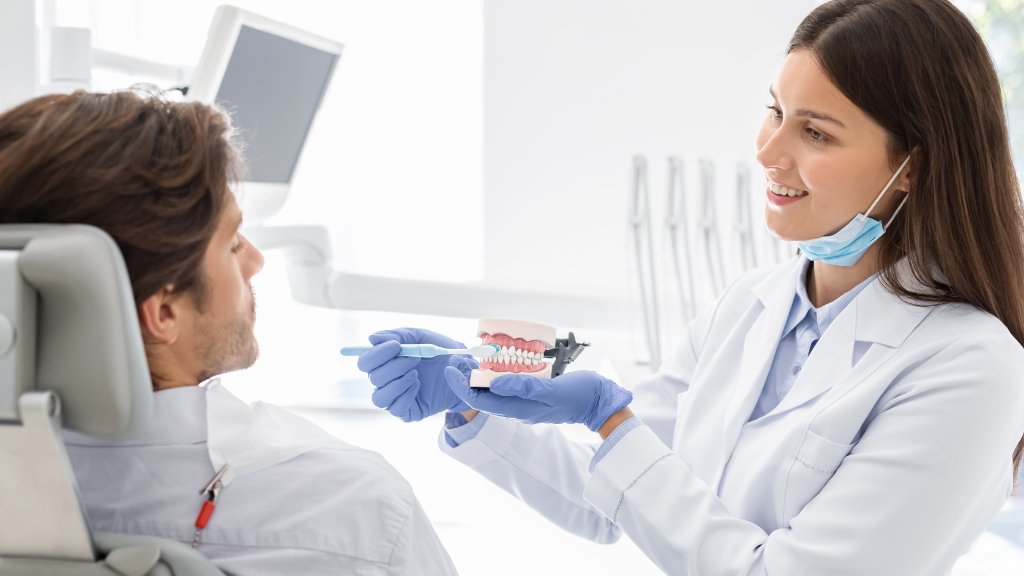
How to Prepare for Your First Oral Surgery Consultation
Walking into your first oral surgery consultation can feel a little daunting, especially if you are not sure what to expect. You might be wondering what questions to bring, what information the surgeon needs, or whether you should be worried about anything at all. The good news is that this appointment is less about procedures and more about conversation – and being prepared makes it much easier. Whether you have been referred for wisdom teeth removal, dental implants, or something else entirely, a little preparation goes a long way toward making that first visit productive and stress-free. Why Your First Consultation Matters More Than You Think A consultation is not just a formality. It is the foundation of your entire treatment experience. This is when your oral surgeon gets a complete picture of your dental and medical history, evaluates your specific condition, and begins building a treatment plan tailored to you. It is also your opportunity to ask questions, voice concerns, and understand exactly what lies ahead. Patients who come in prepared tend to leave with more clarity and confidence – and that matters when you are making decisions about your oral health. What to Gather Before Your Appointment The most practical thing you can do before your consultation is to collect your relevant records and information ahead of time. Your surgeon will want to understand your full health picture, not just what is happening in your mouth. Start with your medical history. This includes any chronic conditions you manage, such as diabetes, heart disease, or autoimmune disorders, as these can directly affect surgical planning and healing. Bring a complete list of your current medications, including supplements and over-the-counter drugs, since some can interact with anesthesia or affect bleeding. If you have had recent dental X-rays or imaging done at another practice, request copies before your appointment. While many oral surgery offices take their own diagnostic images, having prior imaging available can save time and give your surgeon useful context. You should also write down a brief timeline of your current issue – when symptoms started, what makes them better or worse, and any treatments you have already tried. It sounds simple, but it is easy to forget key details when you are sitting in an exam chair. What to Expect During the Consultation The Clinical Evaluation Your oral surgeon will conduct a thorough examination, which typically includes reviewing your imaging, assessing the area of concern, and evaluating the surrounding structures. Depending on your situation, this may involve 3D cone beam imaging, which gives a far more detailed view than a standard X-ray. This part of the visit is straightforward. The surgeon is gathering information, not making snap decisions. You should feel comfortable asking them to explain what they are seeing as they go. The Treatment Discussion Once the evaluation is complete, your surgeon will walk you through their findings and recommendations. This is where a lot of information can arrive at once, so it helps to bring a trusted person with you – a spouse, family member, or friend who can help you process what is being said. Do not hesitate to ask for clarification. Questions like “Why is this approach recommended over others?” or “What happens if I wait?” are completely appropriate, and any good surgical team will welcome them. The Anesthesia Conversation Most oral surgical procedures involve some form of sedation or anesthesia, ranging from local anesthetic to IV sedation. Your surgeon will discuss which option is appropriate for your procedure and your comfort level. If you are nervous about anesthesia, this is the time to say so. Board-certified oral and maxillofacial surgeons are trained in anesthesia administration, and the team at CTX Oral Surgery and Dental Implants is experienced in helping anxious patients feel informed and at ease. Before your procedure date, reviewing the guidelines on Preparing for Anesthesia can help you know exactly what to expect and what steps to follow. Questions Worth Asking Your Oral Surgeon Rather than arriving with a blank mind or an overwhelming list, focus on the questions that will actually shape your decision-making. Here are a few worth considering: You do not need to memorize these. Writing them down beforehand and bringing the paper with you is completely fine. Practical Logistics to Sort Out in Advance Beyond the medical side of things, a few logistical details will make your consultation run more smoothly. Arrive a few minutes early to complete any intake paperwork. Most practices ask new patients to fill out health history forms, and doing this without rushing helps ensure accuracy. Check your insurance coverage before the appointment if applicable. Some oral surgery procedures are covered under dental insurance, others under medical insurance, and in some cases both. Knowing this ahead of time helps you have an informed conversation about costs. If your consultation may be followed by a procedure requiring sedation, arrange for someone to drive you home in case imaging or initial treatment takes place the same day. A Note on Finding the Right Practice According to the American Association of Oral and Maxillofacial Surgeons, patients are encouraged to seek care from board-certified oral and maxillofacial surgeons who have completed hospital-based surgical and anesthesia training. This level of training matters, particularly for complex cases involving implants, bone grafting, jaw surgery, or sedation. CTX Oral Surgery and Dental Implants serves patients in Georgetown, Temple, and throughout Central Texas, with a team of board-certified surgeons who bring that level of training and expertise to every consultation. As a practitioner-owned practice, the focus stays on patient care rather than corporate metrics. Feel Prepared for Your Oral Surgery Consultation There is a real difference between showing up to a consultation and showing up prepared. When you take the time to gather your records, write down your questions, and understand what the appointment involves, you walk in as an active participant in your own care – not just a passive patient waiting to be told what happens next. That mindset tends

How Smoking Affects Healing After Oral Surgery and Implants
If you smoke and you’re facing oral surgery or dental implants, you’ve probably been told to quit or at least cut back. But do you actually know why? Understanding what’s happening in your body can make that advice feel a lot more real, and a lot less like a lecture. Here’s the honest truth: smoking doesn’t just slow your recovery. In some cases, it can completely undermine the results you’re paying for and working toward. What Smoking Does to Your Body’s Healing Process Your body heals through a carefully coordinated process. Blood vessels deliver oxygen and nutrients to the surgical site. White blood cells fight off bacteria. Tissue regenerates layer by layer. It’s not glamorous, but it works when nothing is interfering. Smoking throws a wrench into almost every step of that process. Nicotine causes blood vessels to constrict, which means less blood flow to healing tissue. Carbon monoxide from cigarette smoke binds to red blood cells and reduces how much oxygen they can actually carry. The chemicals in tobacco also impair the immune system’s ability to respond to infection. Put all three together, and the area around your surgical site is starved of exactly what it needs to recover. The Specific Risks After Oral Surgery Dry Socket After Wisdom Teeth Removal If you’ve heard horror stories about dry socket, smoking is one of the most direct ways to cause it. After a tooth is removed, a blood clot forms in the socket to protect the bone and nerve underneath. That clot is fragile. The suction created by inhaling on a cigarette can physically dislodge that clot. Once it’s gone, the bone beneath is exposed to air, food, and bacteria, resulting in a sharp, throbbing pain that typically kicks in two to four days after surgery and doesn’t respond well to standard over-the-counter pain relief. Dry socket is more than just uncomfortable. It delays your recovery significantly and usually requires a follow-up visit to clean and dress the socket. Smokers are up to three times more likely to experience dry socket than non-smokers, according to research published in clinical dental literature. If you want a deeper look at what the wisdom tooth removal process involves, reviewing resources on understanding wisdom teeth removal can help you prepare. Infection Risk Smoking weakens the local immune response in the mouth. Tobacco chemicals reduce saliva production, which plays a key role in washing away bacteria and maintaining a healthy oral environment. With less saliva and a compromised immune response, the surgical site becomes more vulnerable to bacterial infection. An infected extraction site or implant site isn’t just painful. It can lead to bone loss, prolonged treatment, and in some cases, the need to redo procedures entirely. Why Smoking and Dental Implants Are an Especially Problematic Combination Dental implants work because of a process called osseointegration. That’s the technical term for what happens when the titanium implant post fuses with your jawbone over time. This integration is what makes implants feel and function like real teeth. But osseointegration depends on healthy blood flow, adequate bone density, and a body that’s able to build new tissue around the implant. Smoking undermines all three. Higher Implant Failure Rates in Smokers Studies consistently show that smokers have significantly higher rates of implant failure compared to non-smokers. Some research suggests the failure rate can be two to three times higher in active smokers. The implant may not integrate properly, or it may initially integrate and then fail later as the surrounding bone weakens. This matters because a failed implant isn’t just disappointing. It means going through surgery again, potentially needing bone grafting to rebuild what was lost, and starting the process over. Peri-Implantitis Even when an implant does integrate successfully, smokers remain at higher risk for a condition called peri-implantitis. Think of it as gum disease, but around an implant. It involves inflammation and infection of the tissue and bone surrounding the implant post. Left untreated, peri-implantitis can destroy the bone that holds the implant in place. It’s one of the leading causes of long-term implant loss, and smokers are considerably more susceptible because of how tobacco affects the gum tissue and immune response. For patients considering implants, our comprehensive guide to dental implants outlines what the process involves and what factors affect long-term success. How Long Should You Stop Smoking Before and After Surgery? This is the question most people actually want answered. The general guidance from oral and maxillofacial surgeons is to stop smoking at least 72 hours before surgery and avoid smoking for a minimum of two weeks after. Some surgeons recommend longer, especially for implant procedures where osseointegration is the goal. Even a short cessation makes a real difference. Within 24 to 48 hours of stopping, your body starts recovering its ability to transport oxygen more efficiently. Blood flow begins to improve. Your immune response strengthens. The longer you can go without smoking before and after surgery, the better your outcomes tend to be. That said, if quitting entirely feels like too high a bar right now, reducing your smoking as much as possible still helps. Half the number of cigarettes means less chemical exposure to the surgical site, even if it doesn’t eliminate the risk entirely. What About Vaping or Smokeless Tobacco? Some patients assume vaping is a safe alternative. It isn’t, at least not when it comes to healing from oral surgery. Vaping still involves suction, the same mechanical action that dislodges blood clots, and e-cigarette vapor contains chemicals that impair healing. The nicotine is still present, which means vasoconstriction still occurs. Smokeless tobacco, dip or chew, is equally problematic. It sits directly on the oral tissue, irritates the surgical site, and introduces bacteria and harmful compounds at exactly the point where your body is trying to regenerate. Being Honest With Your Surgical Team If you’re a smoker and you’re planning oral surgery, be upfront about it. Your surgeon isn’t there to judge your habits. They’re there to give you the best

Tooth Extraction vs. Root Canal: How the Decision Is Made
When a tooth is seriously damaged or infected, your dentist will likely present you with two options: save the tooth with a root canal, or remove it with an extraction. For most people, that conversation comes with a mix of confusion, anxiety, and a lot of questions. Which one is better? Which one is right for you? The honest answer is that there is no universal right choice. The decision depends on several factors specific to your tooth, your overall oral health, and your long-term goals. Understanding how that decision gets made can help you feel more confident walking into your next appointment. What Each Procedure Actually Does Before comparing the two, it helps to understand what you are agreeing to with each option. A root canal is a procedure designed to save a tooth that has become infected or badly decayed at its core. The dentist or endodontist removes the infected pulp from inside the tooth, cleans the root canals, and seals everything off. A crown is usually placed on top afterward. Despite its reputation, a root canal is closer to a routine filling procedure than major surgery. A tooth extraction is exactly what it sounds like: the tooth is removed entirely. This can be done as a simple extraction if the tooth is visible and accessible, or as a surgical extraction if the tooth is impacted, broken below the gumline, or otherwise difficult to access. Once a tooth is gone, the surrounding bone and neighboring teeth begin to shift over time, which is why replacement options like dental implants are often discussed alongside extractions. How Dentists and Oral Surgeons Make the Call The decision between a root canal and an extraction is not arbitrary. It follows a fairly predictable set of clinical considerations. The Extent of Damage or Infection If the infection is contained within the tooth’s pulp and the surrounding bone and tissue are still healthy, a root canal is often the preferred route. Dentists generally want to preserve natural teeth whenever possible. Your real tooth is always better than any replacement, no matter how advanced dental technology has become. However, if the infection has spread significantly into the surrounding bone, or if the tooth is so structurally compromised that it cannot support a crown, saving it may not be realistic. In those cases, extraction becomes the more practical and sometimes the only viable option. The Structural Integrity of the Tooth A tooth can survive a root canal only if enough of its natural structure remains intact afterward. If the tooth is cracked below the gumline, severely fractured, or has been weakened by extensive decay, a root canal may not hold. Placing a crown on a tooth without adequate support is like trying to build a second floor on a crumbling foundation. When the structural damage is too extensive, extraction followed by a dental implant often produces a more durable, functional outcome in the long run. Your Overall Oral Health The condition of the surrounding teeth and gums matters too. If neighboring teeth are already compromised, or if a patient has significant bone loss from advanced gum disease, the local environment may not support a restored tooth effectively. Oral surgeons and dentists take the full picture into account, not just the single troubled tooth. Cost and Long-Term Value This is where many patients get tripped up. An extraction is almost always less expensive upfront, but the downstream costs can add up quickly. Leaving a gap in your mouth without a replacement leads to bone loss, shifting teeth, and bite problems that are expensive to correct later. A root canal with a crown tends to cost more initially, but when the tooth is salvageable, it often represents better long-term value. If extraction is the right call, pairing it with a dental implant preserves bone volume and function in a way that a bridge or partial denture cannot fully replicate. According to the American Association of Endodontists, a restored tooth that has had a root canal can last a lifetime with proper care. That context matters when weighing your options. When Extraction Is Clearly the Better Option There are situations where even the most tooth-preserving dentist will recommend extraction without hesitation. If a tooth is severely broken, split vertically, or has an infection that has become a risk to surrounding bone or nearby teeth, keeping it does more harm than good. The same applies to impacted teeth, particularly wisdom teeth, that are causing crowding, recurring infections, or cyst formation. In these cases, removal is not a last resort; it is the clinically sound first move. Teeth that have failed a previous root canal and cannot be retreated successfully may also reach a point where extraction is the only remaining path forward. When a Root Canal Is Worth Pursuing A root canal earns its place when the tooth has real structural viability and the infection has not spread beyond what the procedure can address. Front teeth and premolars tend to respond particularly well because of their simpler root anatomy. Molars are more complex but are still treated successfully with root canals every day. If you are a good candidate, choosing a root canal means keeping your natural tooth, maintaining the bone around it, and avoiding the need to plan for a replacement. That has significant value both functionally and aesthetically. What Happens After Each Procedure Recovery differs meaningfully between the two. After a root canal, most people return to normal activity within a day or two, with some tenderness that fades within a week. After an extraction, especially a surgical one, recovery takes longer and requires more active care to protect the healing site. If you do move forward with an extraction, following proper aftercare instructions is essential for a smooth recovery. You can find detailed post-extraction care tips to help you know what to expect and how to protect the extraction site during healing. Getting a Recommendation You Can Trust The most important thing to understand is that

Jaw Pain and TMJ: When to See an Oral Surgeon
That clicking sound when you open your mouth. The dull ache near your ear that you keep mistaking for a headache. The stiffness in your jaw every morning makes eating breakfast feel like a chore. If any of this sounds familiar, you might be dealing with a TMJ disorder, and you might be wondering whether it’s serious enough to actually do something about. The honest answer: sometimes it resolves on its own, and sometimes it doesn’t. Knowing the difference is what matters. What Is TMJ, and Why Does It Cause So Much Trouble? TMJ stands for temporomandibular joint – the hinge that connects your lower jaw to the base of your skull, just in front of each ear. You use this joint constantly: talking, chewing, yawning, swallowing. It’s one of the most frequently used joints in the body, which is part of why problems with it can feel so disruptive. When the joint, surrounding muscles, or cartilage disc become irritated, inflamed, or misaligned, the result is what most people call a “TMJ disorder” or TMD. The American Academy of Orofacial Pain estimates that TMD affects millions of Americans, yet many people go years without a proper diagnosis because the symptoms often mimic other conditions. Common Symptoms That Might Point to a TMJ Problem TMJ disorders don’t always announce themselves obviously. The symptoms can be subtle, scattered, and easy to attribute to something else entirely. Pain or tenderness around the jaw, ear, or temple is the most common sign. But people also report a popping or clicking sensation when they open or close their mouth, difficulty chewing, or a jaw that occasionally locks in place. Headaches, neck stiffness, and even ear ringing (tinnitus) can also be connected to TMJ dysfunction. The tricky part is that these symptoms can overlap with sinus issues, tension headaches, ear infections, and even dental problems. That’s why self-diagnosis is rarely reliable, and why getting an expert evaluation matters more than most people realize. When Is TMJ Pain Something You Can Manage at Home? Not every case of jaw discomfort requires a specialist. Mild TMJ symptoms, especially those that appear after stress, teeth grinding, or eating something particularly tough, often respond well to conservative care. Resting the jaw by eating softer foods, applying warm compresses, and avoiding habits like chewing gum or clenching teeth can reduce inflammation and give the joint time to settle. A night guard prescribed by a general dentist can help if nighttime grinding is contributing to the problem. Over-the-counter anti-inflammatories may also take the edge off during a flare-up. The key word here is “mild.” If your symptoms are moderate, persistent, or getting worse, home management is not enough. When to Stop Waiting and See an Oral Surgeon This is where a lot of people get stuck. They tolerate the pain for months, sometimes years, because they’re unsure whether it’s serious enough to warrant a surgical consultation. Here’s the clearer picture. Your Jaw Is Locking or Catching If your jaw locks open or closed, even briefly, that’s not something to monitor and wait on. Locking suggests that the disc inside the joint has shifted significantly, and without proper evaluation, it can worsen over time. The Pain Is Persistent or Spreading Jaw discomfort that lasts more than a few weeks, or that is starting to affect your ear, temple, neck, or shoulder, warrants a professional opinion. Chronic pain in this region rarely improves without addressing the root cause. Conservative Treatments Haven’t Worked If you’ve already tried a night guard, physical therapy, or anti-inflammatory medications for several months without meaningful improvement, it’s time to consider whether something structural is happening that requires a higher level of care. You’re Having Difficulty Eating or Speaking When TMJ pain starts limiting your ability to open your mouth wide enough to eat comfortably or speak without discomfort, that’s a functional problem. Oral surgeons are specifically trained to evaluate and treat the anatomical issues behind these limitations. There Was an Injury Involved A fall, car accident, or blow to the face can damage the TMJ even without obvious external injury. If jaw pain or dysfunction developed after any kind of trauma, an oral surgeon should evaluate it, not just a general dentist. What an Oral Surgeon Can Do That Others Can’t Oral and maxillofacial surgeons have specialized training in the structures of the jaw, face, and skull that general dentists and even most other specialists simply don’t have. When it comes to TMJ disorders, that depth of expertise makes a significant difference in both diagnosis and treatment planning. At CTX Oral Surgery and Dental Implants, the evaluation process looks beyond surface-level symptoms. The surgeons assess joint structure, bite alignment, muscle function, and imaging to understand exactly what’s happening and to determine whether surgery is actually warranted or whether another approach would be more effective. It’s worth noting that surgery is not the default recommendation. Most patients with TMJ disorders can be managed without it. But for those who have exhausted other options, or whose anatomy requires intervention, understanding the available TMJ surgery options can be genuinely reassuring, especially when it’s explained by someone who performs those procedures regularly. Can Jaw Structure Itself Be the Problem? Sometimes, yes. When the upper and lower jaws don’t align properly, due to how the bones developed or shifted over time, the TMJ can be placed under abnormal stress that no amount of conservative treatment will fully resolve. In these cases, corrective jaw surgery may address both the alignment issue and the resulting joint dysfunction. This is a more involved conversation, but it’s one worth having if you’ve been managing TMJ symptoms for years without a clear explanation for why they keep returning. What to Expect at a Consultation Coming in for an evaluation doesn’t commit you to anything. A good consultation is really a fact-finding conversation. You’ll describe your symptoms and history, the surgeon will examine your jaw and bite, and imaging may be reviewed to get a clearer view of the joint.