If you’ve been researching tooth replacement options, you’ve probably come across a claim that sounds almost too good to be true: dental implants can last a lifetime. But what does that actually mean? And is it realistic for the average patient?
The short answer is yes – with the right care and the right surgical team, dental implants are built to last for decades, often outliving the crown placed on top.
What Makes Dental Implants So Durable?
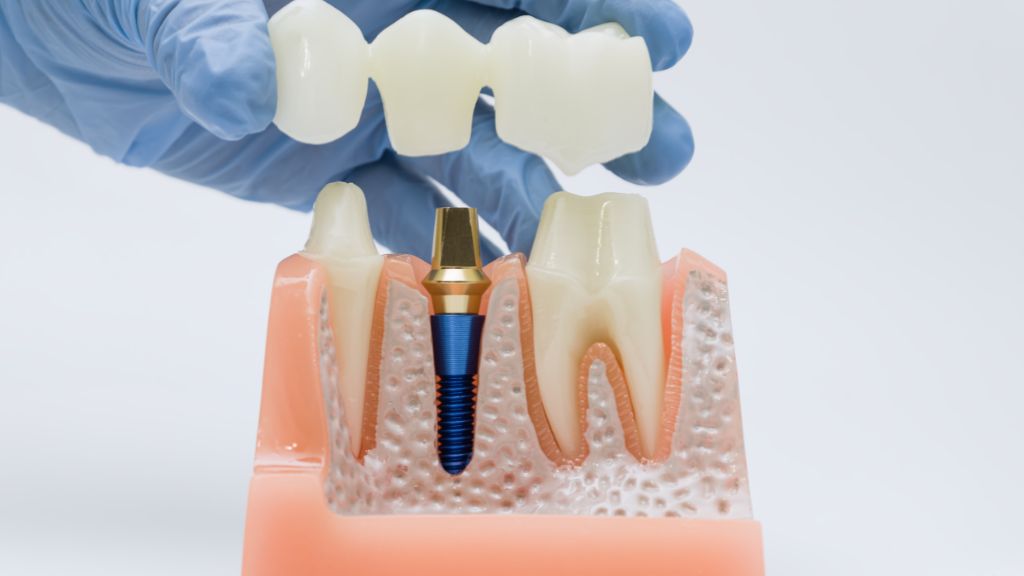
A dental implant is not just a prosthesis sitting on top of your gums. It’s a titanium post surgically placed into the mandible – your jawbone – where it fuses directly with the bone through a process called osseointegration.
This fusion is what separates implants from alternatives like dentures or a dental bridge. Rather than resting on soft tissue or relying on neighboring permanent teeth for support, the implant becomes part of your dental anatomy. That structural integration is the foundation of its long-term durability.
How Long Do Dental Implants Actually Last?
Research in dentistry consistently shows that dental implants have a success rate above 95% over ten years. Many studies track patients for 20 to 30 years with implants still functioning well. The titanium post itself can last a lifetime in many cases.
The crown – the visible tooth-shaped restoration on top – typically lasts 10 to 15 years before it may need replacement due to normal wear. That distinction matters. Even if the crown needs attention down the road, the implant below may still be perfectly intact.
What Affects How Long Your Implant Lasts?
Not every patient’s experience is the same. Several factors influence the long-term success of an implant.
- Your oral health habits play a major role. Consistent tooth brushing, flossing, and regular dental visits protect the gum tissue surrounding the implant. Periodontal disease is one of the top reasons implants fail prematurely, so keeping your gums healthy is non-negotiable.
- Bone density is another critical factor. Osseointegration depends on sufficient bone volume in the jaw. Patients with osteoporosis or significant bone loss may need a bone grafting procedure before implant placement to ensure the implant has a stable foundation to fuse with.
- Smoking significantly increases the risk of implant failure. It impairs healing, reduces blood flow to the gums, and interferes with the fusion process. Patients who smoke are encouraged to quit – or, at minimum, reduce tobacco use – before and after surgery.
- Your medical history also matters. Certain conditions and medications can affect healing and bone health. A thorough consultation with your oral surgeon helps identify any factors that need to be addressed beforehand.
How Do Implants Compare to Other Options?
Tooth loss creates real consequences beyond appearance. When a tooth is missing, the jawbone beneath it begins to deteriorate over time from lack of stimulation. Dentures and bridges do not stop that process. A dental implant does.
That bone preservation benefit is part of why implants are considered the gold standard for tooth replacement in modern dentistry. They protect your oral structure while restoring function and your smile in a way that feels and works like a natural tooth.
Can You Make Your Implant Last Longer?
Absolutely. The patients who get the most out of their implants are the ones who treat them like natural teeth – because in many ways, they function like them.
Here is what consistent long-term care looks like:
- Brush twice daily with a soft-bristled toothbrush
- Floss daily, including around the implant site
- Attend routine cleanings and checkups with your dentist
- Avoid using teeth as tools or grinding without a nightguard
- Address any gum or bone concerns early before they escalate
The implant itself does not decay the way a natural tooth can, but the surrounding tissue and bone still need attention.
Who Places Dental Implants at CTX Oral Surgery?
At CTX Oral Surgery and Dental Implants in Georgetown, TX, implants are placed by board-certified oral and maxillofacial surgeons with advanced training in implant procedures and bone grafting. Every patient receives a personalized evaluation before any treatment begins, ensuring the plan fits their health history, bone structure, and long-term goals.
As a practitioner-owned practice, the team here is focused on your health and outcome – not a corporate checklist.
How to Help Your Dental Implants Last a Lifetime
Dental implants are one of the most reliable investments you can make in your oral health. With proper care, the implant post can last decades – and for many patients, a lifetime. The key is working with experienced surgeons and committing to consistent maintenance. If you are considering implants and want to understand whether you are a good candidate, learn more about dental implants at CTX Oral Surgery or call 512-737-3266 or 254-773-4444 to schedule your consultation.