
CTX Oral Surgery and Dental Implants
Comfortable, Relaxed Care During Your Oral Surgery Procedure
Feeling nervous about oral surgery is completely understandable. At CTX Oral Surgery, we offer IV sedation to help eligible patients feel calm and comfortable throughout their procedure.
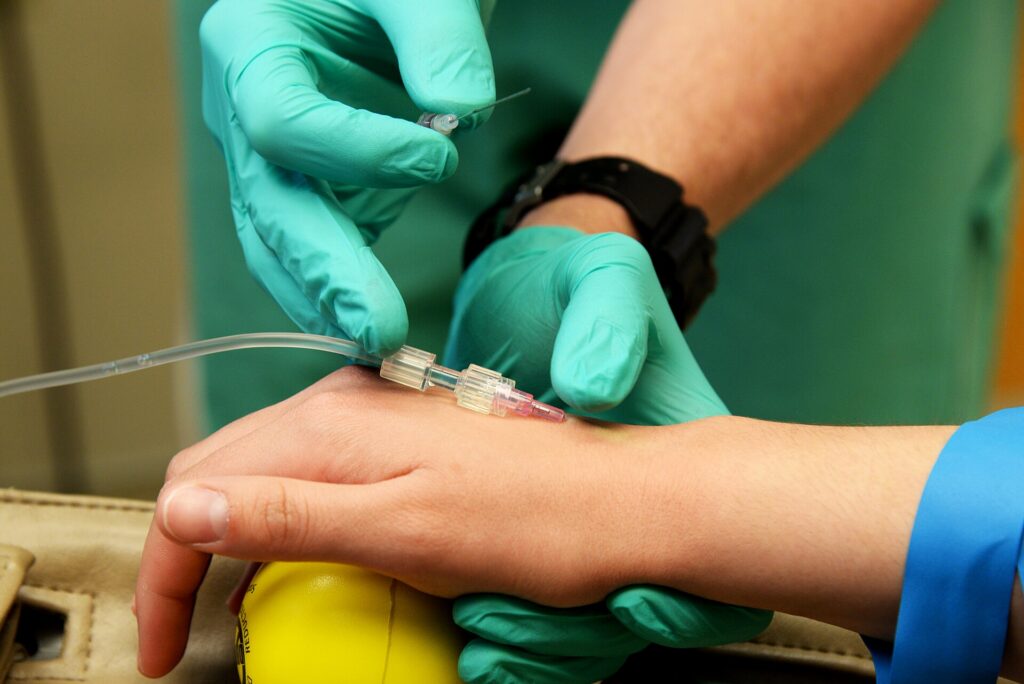
IV sedation delivers sedative medication directly through an intravenous (IV) line, allowing the oral surgery team to carefully manage your level of sedation throughout treatment. For many patients, it can make procedures such as wisdom tooth removal, dental implant surgery, and other oral surgical treatments much easier to undergo. If you’re concerned about discomfort or dental anxiety, our team can discuss whether IV sedation is appropriate for your procedure and individual health needs.
What Is IV Sedation?
IV sedation is a form of sedation in which medication is administered directly into a vein. Because the medication enters the bloodstream through the IV, its effects generally begin quickly and can be adjusted during the procedure.
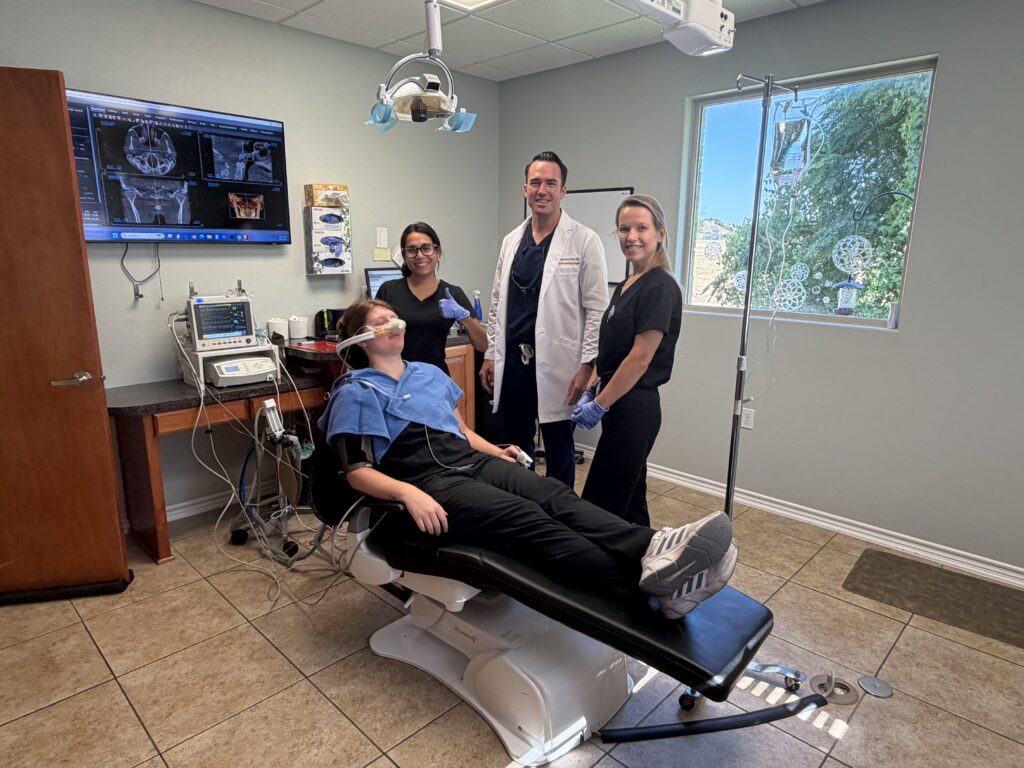
Under IV sedation, patients typically enter a deeply relaxed state while their breathing, heart rate, blood pressure, oxygen levels, and other vital signs are monitored.
Many patients remain responsive to instructions but have little or no memory of portions of the procedure afterward. Your exact experience can vary depending on the medications used, the procedure being performed, and the depth of sedation appropriate for you.
CTX Oral Surgery’s surgical staff is trained to assist with IV sedation and outpatient anesthesia, with patients monitored during and after surgery. You can learn more about our surgical and anesthesia experience on our Background Information page.
Benefits of IV Sedation for Oral Surgery
For appropriate patients, IV sedation can make oral surgery a more comfortable and manageable experience. It may be particularly helpful for people who are anxious about dental treatment or are undergoing a longer or more involved procedure.
Potential benefits include:
- Reduced anxiety and fear during treatment
- A deeply relaxed state throughout the procedure
- Rapid onset compared with some other forms of sedation
- Ability to adjust the level of sedation during treatment
- Limited memory of the procedure for many patients
- Greater comfort during longer or more complex procedures
Your oral surgeon will review your health history and treatment plan before recommending a sedation option.
When Is IV Sedation Used?
IV sedation can be used for many oral and maxillofacial surgery procedures. Whether it is recommended depends on the complexity of your treatment, your comfort level, medical history, and other individual factors.
At CTX Oral Surgery, IV sedation may be considered for procedures such as:
Wisdom Teeth Removal
Removing impacted or difficult wisdom teeth can require a more involved surgical procedure. IV sedation can help patients remain relaxed and comfortable while their wisdom teeth are removed.
Learn more about wisdom teeth removal at CTX Oral Surgery.

Dental Implant Surgery
Dental implant placement involves positioning one or more implant posts in the jawbone. Sedation may be considered for patients receiving multiple implants, undergoing additional procedures such as bone grafting, or experiencing significant dental anxiety.
Tooth Extractions
IV sedation may be an option for certain surgical or multiple-tooth extractions, particularly when the procedure is expected to be more complex.
IV Sedation for Dental Anxiety
For some patients, the hardest part of oral surgery isn’t the procedure itself. It’s the anxiety leading up to it.
Fear of needles, previous negative dental experiences, sensitivity to dental procedures, or simply knowing that surgery is necessary can make treatment stressful.
IV sedation can significantly reduce awareness and anxiety during treatment. Instead of focusing on what’s happening around you, you’ll typically feel deeply relaxed while the surgical team completes your procedure.
If dental anxiety has caused you to postpone necessary treatment, talk with the CTX Oral Surgery team about your concerns. We can explain your sedation options before your procedure so you know what to expect.

Is IV Sedation Safe?
Patient safety is central to sedation planning.
Before your procedure, your oral surgery team will review important information such as your medical history, current medications, allergies, previous experiences with anesthesia or sedation, and other factors that could affect your care.
During IV sedation, you will be closely monitored throughout the procedure. Monitoring may include your:
- Heart rate
- Blood pressure
- Oxygen saturation
- Breathing
- Other vital signs as appropriate
Not every patient is a candidate for every form of sedation. Your oral surgeon will determine which approach is appropriate based on your health, procedure, and individual risk factors.
What to Expect After IV Sedation
You’ll be monitored after your procedure while you begin recovering from sedation. It’s normal to feel tired, groggy, or less alert for a period of time afterward.
Because sedative medications can temporarily affect judgment, coordination, and reaction time, you should not drive yourself home after receiving IV sedation.
Your surgical team will provide post-operative instructions based on both the sedation you received and the procedure that was performed. For example, patients undergoing wisdom tooth extraction should also follow our instructions after wisdom teeth removal.
Following the instructions provided by your surgical team can help support a smoother recovery.

Dental Implants – FAQs
1. Will I be awake during IV sedation?
Most healthy adults with adequate bone are good candidates. Even if bone loss has occurred, grafting procedures can rebuild the site. During your consultation, we use advanced 3D imaging to evaluate bone quality and create a personalized treatment plan.
2. Will I remember my oral surgery?
With proper care, implants can last decades—often a lifetime. Success rates are above 95%. Good home care, routine cleanings, and avoiding smoking significantly improve longevity.
3. How quickly does IV sedation work?
The procedure is typically much more comfortable than patients expect. Implants are placed under local anesthesia or IV sedation, and most patients report only mild soreness afterward, usually managed with over-the-counter medication.
4. Can I drive myself home after IV sedation?
Single-tooth implants often take 3–6 months from start to finish. This includes healing time for the implant to bond with the bone (osseointegration). In some cases—including All-on-X full-arch procedures—teeth can be placed the same day.
5. Can anyone receive IV sedation?
Dental implants have one of the highest success rates in all of dentistry—over 95–98%. Using digital planning and 3D imaging further improves accuracy and long-term outcomes.