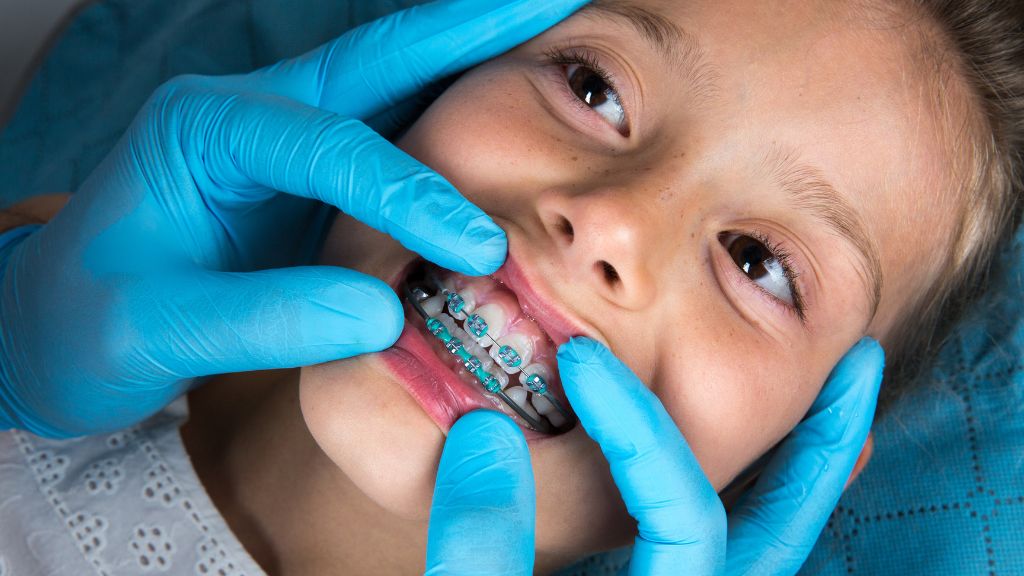
Walking into your first oral surgery consultation can feel a little daunting, especially if you are not sure what to expect. You might be wondering what questions to bring, what information the surgeon needs, or whether you should be worried about anything at all. The good news is that this appointment is less about procedures and more about conversation – and being prepared makes it much easier.
Whether you have been referred for wisdom teeth removal, dental implants, or something else entirely, a little preparation goes a long way toward making that first visit productive and stress-free.
Why Your First Consultation Matters More Than You Think
A consultation is not just a formality. It is the foundation of your entire treatment experience. This is when your oral surgeon gets a complete picture of your dental and medical history, evaluates your specific condition, and begins building a treatment plan tailored to you.
It is also your opportunity to ask questions, voice concerns, and understand exactly what lies ahead. Patients who come in prepared tend to leave with more clarity and confidence – and that matters when you are making decisions about your oral health.
What to Gather Before Your Appointment
The most practical thing you can do before your consultation is to collect your relevant records and information ahead of time. Your surgeon will want to understand your full health picture, not just what is happening in your mouth.
Start with your medical history. This includes any chronic conditions you manage, such as diabetes, heart disease, or autoimmune disorders, as these can directly affect surgical planning and healing. Bring a complete list of your current medications, including supplements and over-the-counter drugs, since some can interact with anesthesia or affect bleeding.
If you have had recent dental X-rays or imaging done at another practice, request copies before your appointment. While many oral surgery offices take their own diagnostic images, having prior imaging available can save time and give your surgeon useful context.
You should also write down a brief timeline of your current issue – when symptoms started, what makes them better or worse, and any treatments you have already tried. It sounds simple, but it is easy to forget key details when you are sitting in an exam chair.
What to Expect During the Consultation
The Clinical Evaluation
Your oral surgeon will conduct a thorough examination, which typically includes reviewing your imaging, assessing the area of concern, and evaluating the surrounding structures. Depending on your situation, this may involve 3D cone beam imaging, which gives a far more detailed view than a standard X-ray.
This part of the visit is straightforward. The surgeon is gathering information, not making snap decisions. You should feel comfortable asking them to explain what they are seeing as they go.
The Treatment Discussion
Once the evaluation is complete, your surgeon will walk you through their findings and recommendations. This is where a lot of information can arrive at once, so it helps to bring a trusted person with you – a spouse, family member, or friend who can help you process what is being said.
Do not hesitate to ask for clarification. Questions like “Why is this approach recommended over others?” or “What happens if I wait?” are completely appropriate, and any good surgical team will welcome them.
The Anesthesia Conversation
Most oral surgical procedures involve some form of sedation or anesthesia, ranging from local anesthetic to IV sedation. Your surgeon will discuss which option is appropriate for your procedure and your comfort level.
If you are nervous about anesthesia, this is the time to say so. Board-certified oral and maxillofacial surgeons are trained in anesthesia administration, and the team at CTX Oral Surgery and Dental Implants is experienced in helping anxious patients feel informed and at ease. Before your procedure date, reviewing the guidelines on Preparing for Anesthesia can help you know exactly what to expect and what steps to follow.
Questions Worth Asking Your Oral Surgeon
Rather than arriving with a blank mind or an overwhelming list, focus on the questions that will actually shape your decision-making. Here are a few worth considering:
- What is the exact procedure you are recommending, and why?
- How long is the recovery period, and what does it typically involve?
- What are the risks, and how do you manage them?
- Are there alternative treatments I should know about?
- What will happen if I choose not to treat this now?
You do not need to memorize these. Writing them down beforehand and bringing the paper with you is completely fine.
Practical Logistics to Sort Out in Advance
Beyond the medical side of things, a few logistical details will make your consultation run more smoothly.
Arrive a few minutes early to complete any intake paperwork. Most practices ask new patients to fill out health history forms, and doing this without rushing helps ensure accuracy.
Check your insurance coverage before the appointment if applicable. Some oral surgery procedures are covered under dental insurance, others under medical insurance, and in some cases both. Knowing this ahead of time helps you have an informed conversation about costs.
If your consultation may be followed by a procedure requiring sedation, arrange for someone to drive you home in case imaging or initial treatment takes place the same day.
A Note on Finding the Right Practice
According to the American Association of Oral and Maxillofacial Surgeons, patients are encouraged to seek care from board-certified oral and maxillofacial surgeons who have completed hospital-based surgical and anesthesia training. This level of training matters, particularly for complex cases involving implants, bone grafting, jaw surgery, or sedation.
CTX Oral Surgery and Dental Implants serves patients in Georgetown, Temple, and throughout Central Texas, with a team of board-certified surgeons who bring that level of training and expertise to every consultation. As a practitioner-owned practice, the focus stays on patient care rather than corporate metrics.
Feel Prepared for Your Oral Surgery Consultation
There is a real difference between showing up to a consultation and showing up prepared. When you take the time to gather your records, write down your questions, and understand what the appointment involves, you walk in as an active participant in your own care – not just a passive patient waiting to be told what happens next.
That mindset tends to lead to better outcomes, stronger communication with your surgical team, and less anxiety overall.
If you are ready to take that first step, reach out to schedule your consultation directly – you can call the Georgetown office at 512-737-3266 or the Temple office at 254-773-4444, or contact our office online to get started.