

Getting your wisdom teeth out is one of those milestones most people dread – not the surgery itself, but the days that follow. The swelling, the soreness, the soft food diet, and the constant wondering: Is this normal? Am I healing right? The good news is that wisdom teeth recovery, while genuinely uncomfortable, is manageable. With the right approach, you can move through it more comfortably and avoid unnecessary setbacks. This guide walks you through what actually works, including common recommendations from oral surgeons, so you can get back to your normal life with fewer complications. What to Expect During Wisdom Teeth Recovery Before jumping into recovery tips, it helps to understand what your body is actually doing after surgery. When your oral surgeon removes a wisdom tooth, your body immediately begins the healing process by forming a blood clot in the empty socket. That clot is critical. It protects the underlying bone and nerve tissue while new tissue grows in to fill the space. Most people experience the most intense discomfort during the first 48 to 72 hours. Swelling typically peaks around day two or three, then gradually subsides. Full soft tissue healing usually takes about two weeks, though complete bone healing can take several months. Understanding this timeline helps you set realistic expectations and recognize when something might be off. The First 24 Hours: Getting the Foundation Right What you do in the first 24 hours after surgery sets the tone for everything that follows. This window is when your body is most vulnerable to complications, and small decisions, like whether you use a straw or how long you keep gauze in place, can make a real difference. Control Bleeding with Consistent Gauze Pressure Your surgeon will send you home with gauze over the extraction sites. Bite down firmly on it and keep it in place for the time your surgeon recommends, typically 30 to 45 minutes at a time. If bleeding continues, replace the gauze and maintain steady pressure. Avoid the temptation to check the wound constantly. Every time you lift the gauze or poke around, you risk disturbing the clot. Skip the Straws, Smoking, and Spitting All three of these create suction or pressure in your mouth that can dislodge the blood clot from the socket. Losing that clot leads to a condition called dry socket, one of the most painful complications after wisdom teeth removal. It is usually not dangerous, but it can be extremely painful and may extend recovery. Avoiding straws, smoking, and aggressive spitting for at least the first 72 hours is one of the most effective things you can do to protect yourself. Ice Packs Are Your Best Friend (Used Correctly) Apply ice packs to the outside of your jaw in 20-minute intervals, 20 minutes on and 20 minutes off, for the first 24 hours. Cold therapy reduces inflammation and numbs the area, helping manage discomfort without relying entirely on medication. After the first day, switch to warm compresses to encourage circulation and promote healing. Eating and Drinking During Recovery Your diet plays a bigger role in recovery than most people realize. Eating the wrong foods too soon can irritate the surgical site, introduce bacteria, or physically disrupt healing tissue. Start Soft, Then Slowly Expand For the first few days, stick to foods that require zero chewing. Think smoothies (no straw), yogurt, mashed potatoes, applesauce, broth-based soups, and scrambled eggs. These options are gentle on the extraction sites and still provide enough calories and nutrients to support healing. By days four through seven, most people can comfortably add soft-cooked pasta, oatmeal, and soft fish. The key is listening to your body. If chewing causes pain or pressure near the surgical site, back off and give it more time. Stay Hydrated – Without Using a Straw Dehydration slows healing, and many patients forget to drink enough water because they are avoiding straws. Sip water carefully from a cup throughout the day. Staying well-hydrated also helps reduce post-surgical fatigue, which is more common than people expect after any surgical procedure involving anesthesia. Foods to Avoid Crunchy, hard, or crumbly foods, such as chips, popcorn, nuts, and crackers, can lodge in the socket and introduce bacteria or cause mechanical irritation. Spicy foods can increase inflammation. Alcohol interferes with both healing and the medications you may be taking, so it should be avoided entirely during recovery. Managing Pain and Swelling Effectively Some discomfort is inevitable, but staying ahead of it is far easier than chasing it down once it builds. Your surgeon will provide specific instructions, but there are general principles that apply to most patients. Take Medications as Directed If your surgeon prescribed pain medication or an antibiotic, follow the schedule precisely. Do not wait until the pain is unbearable to take your first dose. For many patients, over-the-counter options like ibuprofen and acetaminophen – taken together or in rotation – provide solid relief when used consistently. Ibuprofen also carries anti-inflammatory properties, which directly address swelling at the source. Elevation Reduces Swelling Keeping your head elevated, especially while sleeping, reduces blood pressure to the surgical area and helps limit swelling. Use extra pillows or a wedge pillow to stay propped up for the first few nights. Lying completely flat increases throbbing discomfort and can prolong inflammation. Rinse Gently Starting Day Two Most surgeons recommend starting gentle saltwater rinses the day after surgery. Mix about half a teaspoon of salt into eight ounces of warm water and gently swish – emphasis on gently. This helps keep the socket clean without the aggressive pressure that disrupts healing. Do not use commercial mouthwash with alcohol during early recovery; the alcohol content can irritate healing tissue. For detailed post-operative guidance specific to your procedure, reviewing Post-Wisdom Teeth Recovery Tips from CTX Oral Surgery can help you follow a recovery plan tailored to your care. Rest and Activity: Finding the Right Balance Rest is one of the most underestimated recovery tools. Your body heals faster when it is not
How Long Does It Take for Wisdom Teeth to Heal?
If you have a wisdom tooth removal coming up – or you just had one done – you are probably wondering the same thing most people wonder: how long is this actually going to take? The honest answer is that healing happens in stages, and the timeline depends on more factors than most people expect. This is not a one-size-fits-all situation. Some patients feel mostly normal within a week. Others deal with lingering soreness or stiffness for several weeks. Understanding what is actually happening in your mouth during recovery helps you set realistic expectations, recognize warning signs early, and make decisions that protect your healing. The Short Answer: What Most People Experience For most patients, the initial and most uncomfortable phase of wisdom teeth recovery lasts about three to seven days. Swelling peaks around day two or three, then gradually subsides. Pain is typically most intense in the first 48 to 72 hours and becomes much more manageable by the end of the first week. However, the socket itself – the hole left behind after the tooth is removed – takes considerably longer to fully close. Soft tissue usually covers the extraction site within three to four weeks, but complete bone healing can take anywhere from three to six months. So when someone says their wisdom tooth healed “in a week,” they mean they felt well enough to return to normal life. The deeper biological healing is a longer, quieter process. Why Wisdom Teeth Recovery Is Different from Other Extractions Not all tooth extractions are the same. Wisdom teeth, particularly those that are impacted or positioned awkwardly in the jaw, require a more involved surgical process. That means more tissue disruption, a larger wound, and a longer healing curve. An impacted wisdom tooth is one that has not fully erupted through the gum line. It may be growing at an angle, pushing against neighboring teeth, or still partially trapped beneath bone. Removing it often requires an incision in the gum tissue and, in some cases, removing a small amount of surrounding bone. The more complex the extraction, the more your body has to repair. A straightforward removal of a fully erupted wisdom tooth heals faster than a surgical extraction of a deeply impacted one. Your surgeon will give you a clearer picture based on your specific situation. A Week-by-Week Look at Wisdom Teeth Healing Understanding what to expect at each stage of recovery takes a lot of the guesswork out of the process. The First 24 Hours This is the most critical window. A blood clot forms in the empty socket, and that clot is the foundation for all the healing that follows. You will likely feel groggy if sedation was used, and the numbness from local anesthetic will gradually wear off, revealing the first signs of soreness. Bleeding is normal during this phase. Biting gently on gauze helps control it. Swelling begins to develop, usually worsening overnight. Most oral surgeons will recommend keeping your head elevated, avoiding rinsing your mouth, and steering clear of straws, all of which protect that forming clot. Days Two Through Four Swelling peaks around day two or three and then begins to improve. This is usually the most uncomfortable stretch of the recovery. Pain medication, either prescription or over-the-counter, helps manage soreness during this window. Eating is limited to soft, cool, or room-temperature foods. Think smoothies without straws, mashed potatoes, scrambled eggs, yogurt, and applesauce. Hard, crunchy, or chewy foods are off the table for now. Days Five Through Seven Most patients see a significant turn for the better toward the end of the first week. Swelling recedes noticeably. Pain becomes much more manageable, and many patients are able to return to work or school. Bruising along the jaw or neck is still possible and normal. You will likely have a follow-up appointment with your surgeon around this time, giving the care team a chance to check on healing and answer any lingering questions. Weeks Two Through Four By the second week, most patients feel close to normal. The soft tissue over the extraction site is actively closing. Jaw stiffness, a common side effect called trismus, often improves significantly during this phase. Dietary restrictions ease gradually as healing progresses. You can typically reintroduce more textured foods, though it is smart to continue avoiding very hard or crunchy items for the full four weeks. Months Two Through Six You may not think much about your extraction sites during this phase, and that is actually a good sign. The visible wound is closed, discomfort is gone, and life has returned to normal. But underneath the gum, new bone is continuing to fill in and remodel the socket. According to the American Association of Oral and Maxillofacial Surgeons, full bony healing after a tooth extraction can take up to six months, depending on the size of the socket and individual healing response. This matters especially for patients considering dental implants in the area, since implant placement depends on sufficient bone density. Factors That Affect How Fast You Heal Not everyone heals at the same pace. Several variables play a real role in how your body recovers. Dry Socket: The Complication Most People Fear Dry socket, known clinically as alveolar osteitis, occurs when the blood clot in the extraction socket is dislodged or dissolves before the wound has healed. This exposes the underlying bone and nerve endings, causing intense, radiating pain that typically begins two to four days after surgery. It is not the most common complication, but it is the one patients worry about most – and for good reason. The pain is distinct from normal post-surgical soreness. It tends to worsen rather than improve as days pass, and it often radiates toward the ear or jaw. If you suspect dry socket, contact your oral surgeon promptly. Treatment is straightforward and effective, typically involving gentle cleaning of the socket and placement of a medicated dressing that provides relief within minutes. What Normal Healing Looks and Feels

Can You Brush Your Teeth After Wisdom Teeth Removal?
You just had your wisdom teeth out. Your mouth feels swollen, tender, and a little strange. And now you’re wondering something that seems almost too simple to ask: can you even brush your teeth right now? It is a completely valid question, and the answer is not as straightforward as a yes or no. The short answer is yes, you can brush your teeth after wisdom teeth removal, but how and when you do it matters. Getting it wrong could disrupt your healing, or worse, lead to a painful complication called dry socket. Here is what you need to know to keep your mouth clean without putting your recovery at risk. Why Oral Hygiene Still Matters After Wisdom Teeth Removal It might feel counterintuitive to go anywhere near your mouth with a toothbrush when your gums are stitched up and sore. But skipping oral hygiene entirely is not a good idea either. Bacteria do not take a day off just because you had surgery. Your mouth is home to hundreds of types of bacteria at any given time. After an extraction, the empty socket left behind is vulnerable to infection. Food particles and bacteria that accumulate around the surrounding teeth and gums can migrate toward the extraction site and slow down healing or cause complications. Keeping your mouth as clean as possible during recovery is one of the most important things you can do for yourself. You just need to do it the right way. The First 24 Hours: What to Avoid The first day after wisdom teeth removal is when your body is working hardest to form a blood clot inside the socket. That clot is not just a byproduct of surgery. It is the foundation of your healing process. It protects the bone and nerve endings underneath while new tissue begins to form. During this critical window, you should not brush the extraction site at all. Most oral surgeons also recommend avoiding brushing in general for the first 24 hours to minimize any risk of disturbing the clot. This is also why spitting forcefully, using straws, and rinsing aggressively should be avoided during those first hours. Think of your role on the first day as simply leaving things alone. Rest, stay hydrated, follow your surgeon’s post-operative instructions, and let the clot form undisturbed. When Can You Start Brushing Again? Most patients can resume gentle brushing starting the day after surgery, though your oral surgeon’s specific instructions should always take priority. The key word is gentle, and it applies to both the pressure you use and the areas you approach. How to Brush Safely in the Days Following Surgery When you start brushing again, use a soft-bristled toothbrush and a light touch. Brush your other teeth as you normally would, but stay well clear of the extraction sites. You are not trying to scrub the area clean. You are simply maintaining hygiene on the teeth and gums that are not directly affected. As healing progresses over the first week or so, you can gradually work your way closer to the extraction sites, always keeping pressure minimal. Never poke or prod the healing tissue, and never use a stiff-bristled brush during recovery. Some surgeons recommend using a children’s toothbrush during the early days of recovery because the smaller head and softer bristles make it easier to maneuver around sensitive areas without applying too much force. Rinsing Versus Brushing: Understanding the Difference A lot of patients get confused about when they are allowed to rinse versus when they can brush. These are two different things, and the rules around them are slightly different. Saltwater Rinses Starting around 24 hours after surgery, gentle saltwater rinses are typically encouraged. A warm saltwater solution helps reduce bacteria, soothe inflamed tissue, and keep the socket area free of debris. The emphasis on “gentle” is important here. You are not swishing hard or spitting forcefully. You let the water slowly roll around your mouth and then let it fall out over the sink rather than spitting it with any force. Your surgeon may also prescribe a medicated mouth rinse such as chlorhexidine. Follow those instructions exactly. Prescription rinses are formulated for surgical recovery and are different from over-the-counter options. Can You Use Mouthwash? Standard commercial mouthwashes, especially those containing alcohol, are generally not recommended in the first few days after wisdom teeth removal. Alcohol-based rinses can irritate healing tissue and may interfere with clot stability. If you feel the need to freshen your breath in the early days, a simple saltwater rinse is your safest option. What Is Dry Socket and How Does It Relate to Brushing? Dry socket is one of the most common and most uncomfortable complications that can follow a tooth extraction. It happens when the blood clot that forms in the socket is dislodged or dissolves prematurely, exposing the bone and nerve tissue underneath. The pain associated with dry socket is distinct. It typically starts a few days after surgery and may radiate outward from the extraction site. It usually feels more intense than normal post-surgical soreness. If you experience this, contact your oral surgeon right away. Brushing too aggressively near the extraction site in the early days of recovery is one of the ways dry socket can occur. So is spitting hard, using straws, or any activity that creates suction or pressure in the mouth. Being careful with your oral hygiene routine is not just about comfort. It is directly tied to avoiding this complication. Toothpaste: Does It Matter Which Kind You Use? During recovery, plain, gentle toothpaste is your friend. Avoid whitening toothpastes and anything with strong abrasive properties, as these can be irritating to sensitive tissue. Some patients find that a smaller amount of toothpaste than usual feels more comfortable, especially in the first few days. Fluoride toothpaste is fine and continues to protect your other teeth from cavities during recovery. The goal is simply to avoid anything with harsh additives or aggressive formulas. Eating, Drinking, and Keeping

When Can You Eat Solid Food After Wisdom Teeth Removal?
Getting your wisdom teeth out is one of those experiences most people dread, not because of the surgery itself, but because of everything that comes after. The swelling, the soreness, and especially the food restrictions. If you have had your wisdom teeth removed recently, or you are scheduled for the procedure soon, you are probably wondering how long you will be stuck eating pudding and soup before you can enjoy a real meal again. The honest answer is that it depends. Your timeline for returning to solid foods is shaped by how well you heal, how many teeth were removed, how impacted they were, and how closely you follow your post-operative instructions. That said, most patients follow a fairly predictable recovery curve, and knowing what to expect at each stage can make the whole experience much more manageable. Why You Cannot Eat Solid Food Right Away When a wisdom tooth is removed, the surgeon is not just pulling a tooth. Depending on how the tooth is positioned, the procedure may involve cutting through gum tissue and removing bone to fully extract the tooth. That process leaves behind an open socket that needs time to heal. In the first 24 to 48 hours, a blood clot forms inside the socket. This clot is critical. It acts as a protective layer that covers the exposed bone and nerve, allowing the tissue underneath to rebuild. If that clot gets dislodged by suction, pressure, or hard food particles, you can develop a painful condition called dry socket, which significantly slows recovery. Eating solid foods too soon puts that clot at risk. Hard, crunchy, or chewy foods can physically disturb the clot, while small particles from things like rice or chips can get stuck inside the socket and cause infection. That is why your surgeon will give you a clear dietary progression to follow during recovery. The Recovery Timeline: A Stage-by-Stage Guide Days 1 and 2: Liquids Only The first two days after surgery are the most sensitive. Stick to a fully liquid diet during this window. This means water, broth, smoothies, protein shakes, applesauce, and yogurt with no chunks. Everything you consume should require zero chewing. Avoid hot liquids, as they can dissolve the blood clot. Room temperature or cold foods are ideal, and in fact, cold items like ice cream or frozen yogurt can even help reduce swelling during those first 24 hours. One thing to be especially careful about: avoid using a straw. The suction created by a straw can dislodge the clot and trigger dry socket. If you are wondering more about using a straw after wisdom teeth removal, your surgeon can give you a specific timeframe based on how your healing is progressing. Days 3 to 5: Soft Foods Begin By the third or fourth day, most patients can tolerate soft foods that require minimal chewing. Think scrambled eggs, mashed potatoes, soft pasta, oatmeal, soft-cooked fish, and ripe bananas. These foods can be broken down without putting significant pressure on the surgical sites. The key distinction here is soft versus hard. Soft does not mean chewy – avoid bread that requires you to tear at it, or anything rubbery that puts stress on your jaw muscles. Gentle, minimal chewing is the goal. Some patients feel well enough to push this transition earlier, but feeling okay does not mean the tissue has fully healed. Even if the pain has subsided by day three, the socket is still highly vulnerable. It is worth being conservative during this stage. Days 5 to 7: Gradual Expansion As you move into the second half of the first week, most patients start to feel significantly better. The swelling decreases, the soreness fades, and food starts to feel enjoyable again. At this point, you can begin expanding your diet to include slightly more textured soft foods, such as soft rice, soft-cooked vegetables, ground meat, scrambled or soft-boiled eggs, and tender pieces of chicken or fish that fall apart easily. The word to keep in mind here is gradual. Do not use the absence of pain as your only guide. Pain often decreases before the tissue is fully protected. Week 2: Returning to Near-Normal Eating By the second week, many patients are able to eat most normal foods again, with some exceptions. Most people can handle sandwiches, cooked vegetables, softer cuts of meat, and foods they previously enjoyed, as long as they are mindful of chewing away from the extraction sites. Still off the table: crunchy chips, popcorn, hard candies, seeds, nuts, and anything else that could splinter and lodge in the healing socket. These restrictions typically stay in place for about two to four weeks depending on how complex your extraction was. After Week 2: Full Recovery Varies Full tissue healing after wisdom teeth removal typically takes three to four weeks for the surface. However, complete bone healing inside the socket can take several months. Most patients are cleared to eat normally, without any real restrictions, somewhere between three and six weeks post-surgery, depending on their individual healing progress. If you had impacted wisdom teeth removed, or if your surgery was more complex, your surgeon may extend certain dietary recommendations. This is another reason why follow-up appointments matter. Your surgeon can actually look at the socket and tell you where your healing stands. Foods to Avoid During Recovery Knowing what not to eat is just as important as knowing what you can eat. Several types of food pose specific risks during wisdom tooth recovery. Tips to Make Eating Easier During Recovery Recovery does not have to mean bland, boring food for two weeks. With a little creativity, you can eat meals that are satisfying and nutritionally complete while still protecting your healing tissue. When to Call Your Surgeon Most recoveries follow the expected timeline, but complications do happen. Knowing what signs warrant a call to your oral surgeon is an important part of caring for yourself after surgery. If you are unsure whether something is normal
Does Wisdom Teeth Removal Hurt? What to Really Expect
It’s one of the first things almost everyone wants to know: does wisdom teeth removal hurt? If the thought makes you a little anxious, you’re in good company, and we have reassuring news. At CTX Oral Surgery & Dental Implants, we’ve removed more than 20,000 wisdom teeth, and helping patients feel calm and comfortable is at the heart of everything we do. The honest answer: the procedure itself shouldn’t hurt at all. Thanks to modern anesthesia, the part people worry about most is the part you’ll feel the least. The soreness comes later, during recovery, and it’s very manageable. Let’s walk through exactly what to expect. Does Getting Your Wisdom Teeth Removed Hurt During the Procedure? So does getting wisdom teeth removed hurt while it’s happening? No. Before anything begins, the area is fully numbed with local anesthesia, and many patients also choose sedation to stay deeply relaxed or asleep throughout. What you may notice is pressure, a sensation of pushing or gentle rocking as the tooth is loosened and lifted out. You might also hear some unfamiliar sounds from the instruments. That’s all completely normal and routine. What you won’t feel is sharp pain. Our practice offers a full range of comfort-focused anesthesia options, from local numbing to nitrous oxide and IV sedation, and our surgeons have extensive anesthesia training to tailor the right approach to you. So Does Wisdom Teeth Hurt When Removed, or Only Afterward? The discomfort people remember usually comes after the numbness fades, not during surgery. Here’s a typical look at the wisdom teeth removal aftermath: So how long does pain last after wisdom teeth removal? For most patients, the worst is over within a week, with steady improvement each day after that peak around day three. Why Does My Throat Hurt After Wisdom Teeth Removal? A sore throat is a surprisingly common and harmless part of recovery. Because your wisdom teeth sit at the very back of your mouth, the nearby muscles and tissues can become slightly irritated or swollen during and after the procedure. This often makes swallowing feel a little uncomfortable for a few days. It typically eases on its own as the swelling goes down. Gentle warm saltwater rinses (once your surgeon says it’s okay) and staying hydrated can help. If throat discomfort lingers or worsens, just give us a call. Why Do Wisdom Teeth Need to Be Removed? Not everyone needs their wisdom teeth out, but there are several common reasons a wisdom tooth extraction is recommended: Removing problem wisdom teeth, ideally before complications start, protects the rest of your smile and spares you bigger issues down the road. How Long Do Wisdom Teeth Take to Heal? The soft tissue over your extraction sites generally closes up over about three to four weeks, while the bone underneath continues to remodel quietly over the following months. The good news is you won’t have to wait that long to feel like yourself; most patients are back to normal activities within a week or so. To keep healing on track and avoid a complication called dry socket, follow your post-op instructions closely: skip straws and smoking, stick to soft foods at first, rest, and use gentle saltwater rinses as directed. Comfort You Can Count On You don’t have to navigate any of this alone. Our board-certified oral and maxillofacial surgeons send every patient home with clear, personalized aftercare instructions, and our patients have our direct phone numbers, so reassurance is always one call away. Still nervous about your procedure? That’s completely understandable. Reach out to our team, and we’ll walk you through exactly what to expect, every step of the way.

When Can I Use a Straw After Wisdom Teeth Removal?
If you’ve just had your wisdom teeth out (or you’re getting ready to), you may be wondering when you can use a straw after wisdom teeth removal. It’s one of the most common questions we hear at CTX Oral Surgery & Dental Implants, and the answer matters more than you might think. The short version: wait at least 7 days, and ideally check with your surgeon before reintroducing straws. For more involved extractions, your surgeon may ask you to wait closer to 10 to 14 days. We know that feels like a long time to skip your favorite smoothie habit, so let’s walk through why it matters and how to make recovery as smooth and comfortable as possible. Why Straws Are Off the Menu at First After your teeth are removed, a blood clot forms in each socket. That clot is the foundation of healing, it protects the bone and nerves underneath and signals your body to start repairing the area. Here’s the catch: drinking through a straw creates suction inside your mouth. That gentle pull is just enough to loosen or dislodge the clot before your mouth is ready. When the clot comes out too early, you’re left with a painful condition called dry socket, where the bone and nerve endings are exposed. Dry socket isn’t dangerous, but it’s genuinely uncomfortable and can slow your recovery down considerably, exactly what we want to help you avoid. A Simple Recovery Timeline So, after wisdom teeth removal, when can you use a straw? Here’s the easy guide we share with our patients: The first 24 hours. No straws, no spitting, no vigorous rinsing. Give that clot every chance to settle and stabilize. Days 1 through 7. Sip liquids straight from a cup rather than reaching for a straw. Craving a smoothie or milkshake? Wonderful, just enjoy it with a spoon instead of sucking it up. After day 7. This is usually the earliest point straws may be back on the table, but check in with your surgeon first. If your sockets are healing well and you’re pain-free, you’ll likely get the green light. Complex or impacted extractions. If your wisdom teeth were impacted or the surgery was more involved, your surgeon may recommend waiting 10 to 14 days. Following their specific guidance is always the safest path. A Few Gentle Tips for the First Week We’re With You Every Step At CTX Oral Surgery & Dental Implants, comfort-focused care doesn’t end when your procedure does. Our board-certified oral and maxillofacial surgeons send you home with clear, personalized post-operative instructions, and our patients have our direct phone numbers, so help is never far away. With more than 20,000 wisdom teeth removed, we’ve guided countless patients through smooth, worry-free recoveries, and we’d be glad to do the same for you. Have a question about your recovery, or wondering whether it’s time to bring straws back? Reach out to our team anytime; we’re always happy to help.
Is Wisdom Teeth Removal Painful? Here’s What to Expect
For many people, the fear of pain is the number one reason they put off wisdom teeth removal, sometimes for years. It’s a completely understandable concern, but the reality is far less intimidating than most people expect. Here’s an honest look at what you’ll actually feel before, during, and after the procedure. During the Procedure: Will It Hurt? The short answer is no. Wisdom teeth removal is performed under anesthesia, which means you won’t feel pain during the extraction itself. Before the procedure begins, your oral surgeon will administer local anesthesia to fully numb the area. Depending on your case and comfort level, you may also have the option of nitrous oxide, oral sedation, or IV sedation for a deeper state of relaxation. What you may feel during the procedure is pressure and movement, but not pain. Many patients are surprised by how straightforward the experience feels once they’re in the chair. After the Procedure: What’s Normal? Some degree of discomfort after wisdom teeth removal is normal and expected. As the anesthesia wears off in the hours following surgery, you may notice soreness in the jaw, swelling around the cheeks, and mild throbbing at the extraction sites. This is your body’s natural healing response, not a sign that something has gone wrong. The good news is that post-operative discomfort is very manageable. Your surgeon will send you home with clear instructions and, in most cases, a prescription for pain medication to keep you comfortable in the first few days. Over-the-counter options like ibuprofen can also be effective for mild to moderate soreness. The First 72 Hours Swelling and soreness typically peak around days two and three before gradually improving. During this window, a few simple steps can make a significant difference: What Is Dry Socket, and Should You Be Worried? Dry socket is the most common complication following wisdom teeth removal, occurring when the protective blood clot is disrupted before the socket has had a chance to heal. It can cause a sharp, radiating pain that typically develops three to four days after surgery. While it sounds alarming, dry socket is treatable and relatively easy to avoid by following your surgeon’s post-operative instructions. If you do develop it, a quick follow-up visit is all it takes to get relief. Related: Learn everything you need to know about wisdom tenths When Will You Feel Back to Normal? Most patients feel significantly better within a week and return to their normal routine shortly after. Full healing of the gum tissue takes a few weeks, but for the majority of people, the recovery is far more manageable than they anticipated going in. The Bottom Line Wisdom teeth removal is not the painful ordeal it’s often made out to be. With modern anesthesia, experienced surgeons, and proper aftercare, most patients find the experience far easier than expected. The discomfort that follows is temporary, and addressing problematic wisdom teeth now prevents far greater pain down the road. Don’t Let Fear Hold You Back At CTX Oral Surgery & Dental Implants, we understand that anxiety about pain is one of the biggest reasons people put off wisdom teeth removal, and we’re here to put your mind at ease. Our board-certified oral and maxillofacial surgeons prioritize your comfort at every stage, from anesthesia to recovery.
What Are Wisdom Teeth? Everything You Need to Know
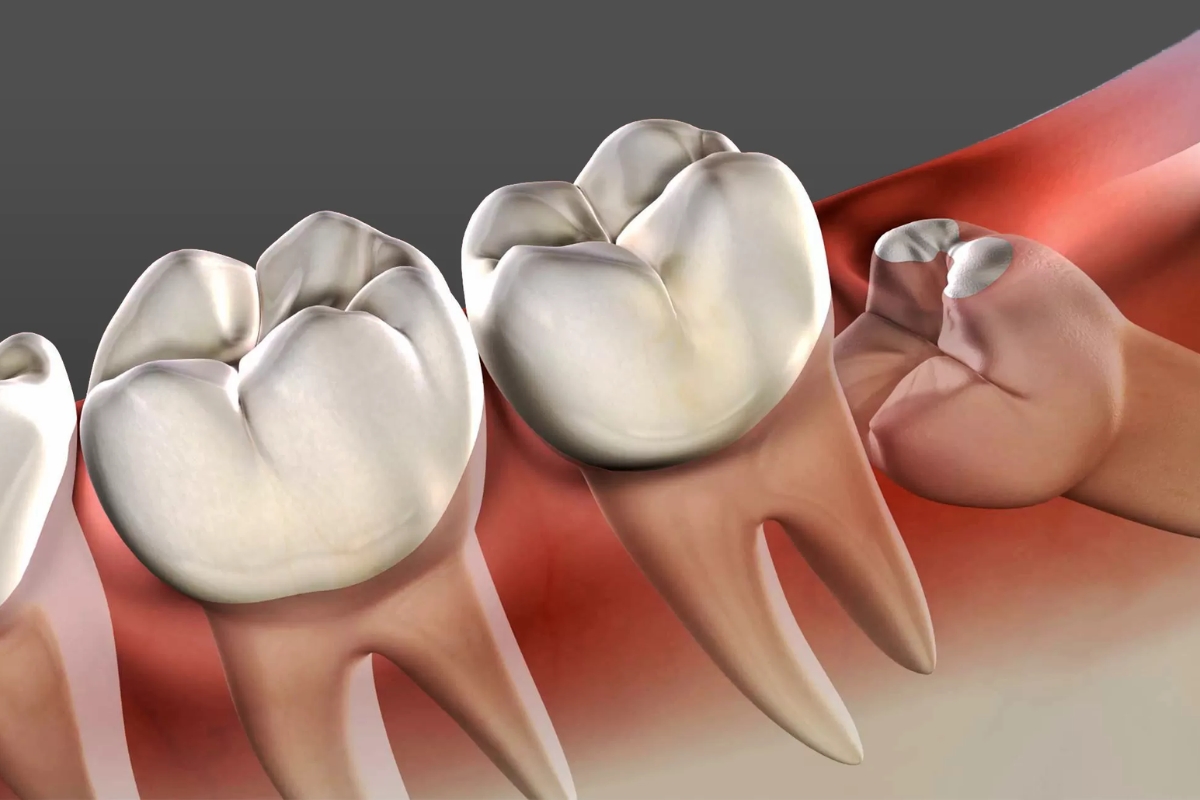
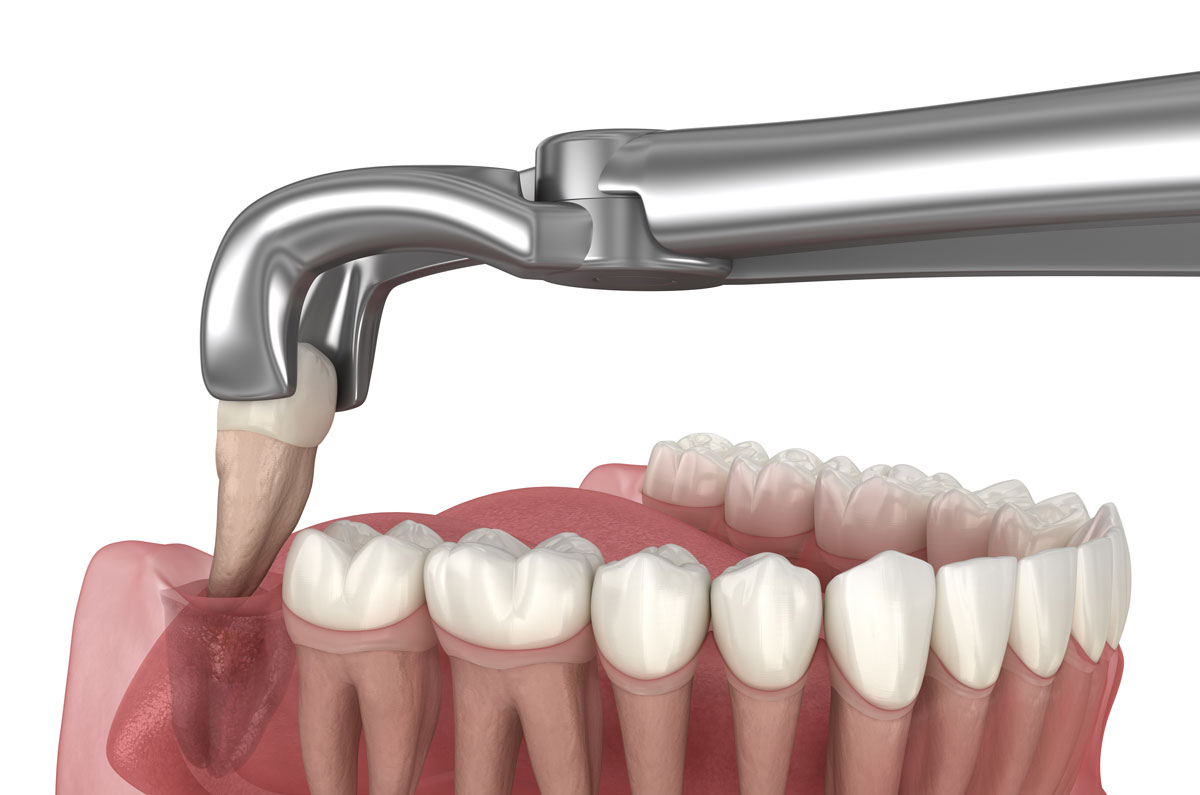
Wisdom teeth, formally called third molars, are the final set of molars to emerge at the back of the mouth. They typically develop between the ages of 17 and 25, though timing varies from person to person. For some, wisdom teeth come in without issue; for others, they can lead to complications such as impaction, crowding, infection, or damage to neighboring teeth. Why Do We Have Wisdom Teeth? Wisdom teeth are an evolutionary remnant. Our early ancestors had larger jaws and a rougher diet, think raw meat, nuts, and roots, that wore down teeth quickly. A third set of molars helped them continue chewing effectively. Today, our jaws are smaller and our diets far softer, leaving little room for these late-arriving teeth. The result? They often cause more problems than they solve. Common Wisdom Teeth Complications Not everyone will experience issues, but wisdom teeth complications are extremely common. Here’s what to watch for: How Do You Know If Your Wisdom Teeth Need to Come Out? Some people never have any symptoms at all, their wisdom teeth quietly emerge without causing trouble. Others notice signs like jaw pain or stiffness, swollen or tender gums at the back of the mouth, difficulty opening the mouth fully, or a persistent bad taste or odor near the back teeth. If you’re experiencing any of these, it’s worth scheduling an evaluation. Your dentist or oral surgeon will take X-rays to assess the position of your wisdom teeth and whether removal is the right course of action. What Happens If You Leave Them In? If your wisdom teeth are healthy, fully erupted, and easy to clean, there may be no need to remove them. However, monitoring them over time is still important, as problems can develop gradually without obvious symptoms. For wisdom teeth that are impacted or causing complications, leaving them untreated can lead to worsening pain, infection, or long-term damage to surrounding teeth and bone. The Bottom Line Wisdom teeth are a normal part of development, but they don’t always play nicely with the rest of your mouth. Understanding what they are and what complications to look for puts you in a much better position to make informed decisions about your oral health. If you’re unsure about the status of your wisdom teeth, the best first step is a conversation with a qualified oral surgeon. Ready to Take the Next Step? At CTX Oral Surgery & Dental Implants, our mission is simple: to provide exceptional care with empathy, dedication, and a commitment to excellence. Whether you’re dealing with discomfort or just want to know where your wisdom teeth stand, our board-certified oral and maxillofacial surgeons are here to guide you every step of the way.

All-on-4 Dental Implants: How Full-Arch Tooth Replacement Works From Planning to Final Smile
For patients missing most or all of their teeth, All-on-4 dental implants offer a proven way to restore a full smile using fewer implants and a structured surgical approach. At CTX Oral Surgery & Dental Implants, this technique is used for patients who want fixed teeth, improved function, and long-term stability without relying on removable dentures. Below is a clear explanation of how the All-on-4 process works, from the initial planning phase through the final restoration. What Is the All-on-4 Dental Implant Technique? All-on-4 is a full-arch tooth replacement method that uses four or more dental implants to support an entire upper or lower set of teeth. Instead of placing one implant per missing tooth, implants are positioned in strategic locations within the jaw to support a single fixed prosthesis. This approach is often used for patients who are fully edentulous or facing widespread tooth loss due to decay, gum disease, or damage. Step One: Planning the New Smile Before Surgery The All-on-4 process starts with planning the final teeth before any implants are placed. A dental setup of the new teeth is created first, which helps guide the entire procedure. That setup is then used to create a scan template for a 3D X-ray. Using advanced imaging, the oral surgeon evaluates bone quality, jaw structure, and anatomical landmarks. A virtual implant planning process follows, allowing precise positioning of each implant before surgery day. This step plays a key role in achieving balance, strength, and proper bite alignment. Step Two: Guided Implant Placement During Surgery During the surgical appointment, a custom template guides the placement of the four or more implants into the jawbone. Two to three implants are typically placed toward the front of the jaw, while the back implants are angled to maximize bone contact and stability. Angling the posterior implants helps avoid sensitive structures such as the sinus cavities in the upper jaw and the mandibular nerve in the lower jaw. This technique also allows patients with reduced bone volume to qualify for treatment without extensive grafting. After the implants are placed, connecting components are attached to correct for implant angulation. A full-arch prosthesis is then secured to the implants on the same day. Immediate Function With Temporary Teeth One of the defining features of All-on-4 treatment is immediate function. A temporary prosthesis is placed right after surgery, allowing patients to leave the office with a full set of fixed teeth. This temporary set supports normal speech, appearance, and light chewing while the implants bond with the jawbone. Patients no longer need to manage loose dentures or go without teeth during healing. Real-World Clinical Application In clinical cases where patients present with a fully edentulous upper jaw and failing teeth in the lower jaw, All-on-4 allows both arches to be treated efficiently. Remaining teeth are removed, implants are placed, and temporary teeth are attached in a single coordinated procedure. The angled placement of the back implants adds a layer of safety and stability, while immediate loading helps patients regain confidence right away. Healing and Implant Integration Over the next three to four months, the implants integrate with the jawbone through a natural process called osseointegration. During this phase, patients follow a guided recovery plan and maintain regular check-ins with their dental team. The temporary prosthesis remains in place while the bone heals, allowing daily activities to continue with minimal interruption. Step Three: The Definitive Prosthesis Once healing is complete, the final prosthesis is fabricated in a dental laboratory. This permanent set of teeth is often monolithic zirconia. The definitive prosthesis is secured to the implants, creating a stable, fixed restoration that looks natural and supports long-term oral health. Final imaging typically shows healthy bone levels and well-adapted soft tissue around the implants. The Outcome: A Restored Smile and Function All-on-4 dental implants allow patients to regain the ability to eat, speak, and smile with confidence. By combining advanced planning, guided surgery, and coordinated restorative care, this technique provides a predictable solution for full-arch tooth replacement. For patients researching All-on-4 dental implants, working with an experienced oral surgery team plays a major role in achieving a successful outcome that lasts.

All-on-4 Dental Implants: Procedure, Benefits, and Who Is a Candidate
All-on-4 dental implants offer a full-arch tooth replacement solution for patients who have lost most or all of their teeth. This treatment replaces an entire upper or lower set of teeth using four or more strategically placed implants, providing a fixed, stable alternative to removable dentures. At CTX Oral Surgery & Dental Implants, All-on-4 treatment is planned and performed by oral surgeons with focused experience in complex implant care. This guide explains how the All-on-4 procedure works, the benefits it offers, and which patients may qualify. What Are All-on-4 Dental Implants? All-on-4 is a dental implant technique designed to support a full arch of replacement teeth using four or more implants placed in the jawbone. In general, two implants are positioned toward the front of the jaw, while two are placed at an angle in the back to maximize contact with available bone. This design allows a single fixed prosthesis to replace all missing teeth in one arch. The result is a secure set of teeth that does not shift, slide, or require removal. The All-on-4 Dental Implant Procedure 1. Evaluation and Digital Planning Treatment begins with a full examination, medical review, and 3D imaging of the jaw. A digital plan is created to map implant placement based on bone quality, bite alignment, and anatomy. This planning step helps guide accurate implant positioning and coordination with the restoring dentist. 2. Tooth Removal and Implant Placement If damaged or failing teeth remain, they are removed during the same visit. The implants are then placed into the jawbone using a guided surgical approach. The angled placement of the back implants helps avoid sensitive areas such as the sinus cavities and mandibular nerve. 3. Immediate Temporary Teeth After implant placement, a temporary full-arch prosthesis is secured to the implants. Patients leave the office with a fixed set of teeth, the same or the next day, allowing them to speak and smile without the inconvenience of dentures. 4. Healing and Integration Over the next three to four months, the implants bond with the jawbone. This process creates a strong foundation for the final restoration while patients continue daily activities with their temporary teeth. 5. Final Prosthesis Placement Once healing is complete, a custom permanent prosthesis is fabricated in a dental laboratory. This final set of teeth is designed for strength, comfort, and appearance, then secured to the implants. Benefits of All-on-4 Dental Implants Fixed, Stable Teeth All-on-4 implants provide a permanent solution that stays in place. Patients do not need adhesives or removal for cleaning. Fewer Implants Required Using four or more implants reduces surgical complexity while still supporting a full arch of teeth. Bone Preservation Implants stimulate the jawbone, helping reduce bone loss that often occurs with missing teeth or long-term denture use. Improved Comfort and Function Patients can eat a wider range of foods and speak with confidence compared to traditional dentures. Immediate Results Temporary teeth are placed the same day as surgery, eliminating long periods without teeth. Who Is a Candidate for All-on-4? All-on-4 dental implants are often recommended for: Patients missing all or most teeth in one or both arches Individuals with loose, uncomfortable dentures Patients with teeth in poor condition requiring removal Those with bone loss who want to avoid extensive grafting Adults in good general health who can undergo oral surgery A thorough evaluation is required to confirm candidacy. Bone quality, medical history, and oral health all play a role in determining the best treatment plan. All-on-4 vs Traditional Dentures Traditional dentures rest on the gums and may shift during eating or speaking. All-on-4 implants anchor directly into the jawbone, providing stability and a more natural feel. Over time, dentures can contribute to bone loss, while implants help maintain jaw structure. Long-Term Care and Maintenance Caring for All-on-4 dental implants involves daily brushing, flossing around the prosthesis, and routine dental visits. With proper care and professional monitoring, All-on-4 implants can provide reliable function for many years. A Proven Full-Arch Solution All-on-4 dental implants combine advanced planning, surgical precision, and restorative coordination to replace an entire smile with a fixed solution. For patients seeking a stable alternative to dentures, this approach offers a clear path toward restored function and confidence.