
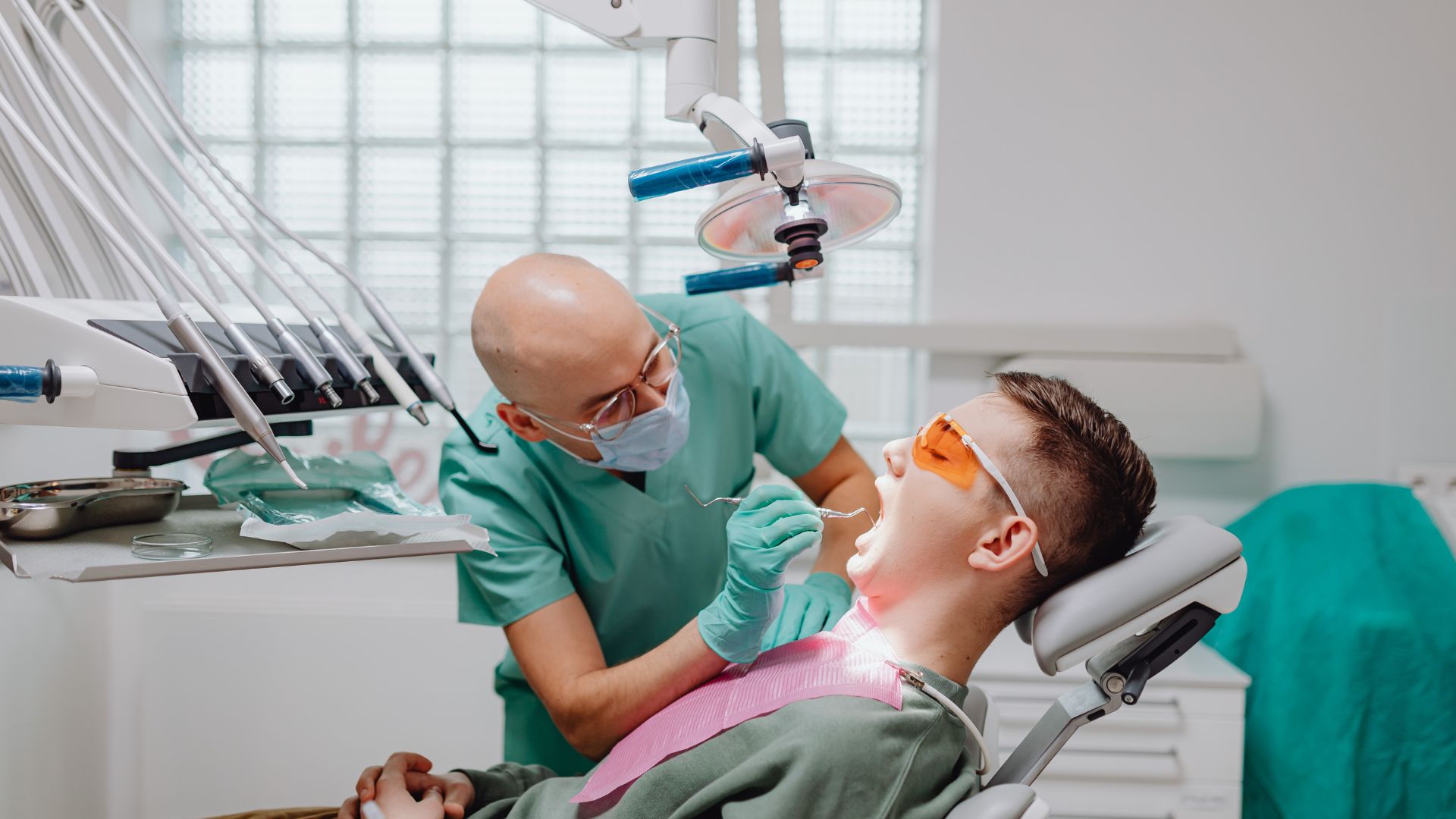
It’s one of the first things almost everyone wants to know: does wisdom teeth removal hurt? If the thought makes you a little anxious, you’re in good company, and we have reassuring news. At CTX Oral Surgery & Dental Implants, we’ve removed more than 20,000 wisdom teeth, and helping patients feel calm and comfortable is at the heart of everything we do. The honest answer: the procedure itself shouldn’t hurt at all. Thanks to modern anesthesia, the part people worry about most is the part you’ll feel the least. The soreness comes later, during recovery, and it’s very manageable. Let’s walk through exactly what to expect. Does Getting Your Wisdom Teeth Removed Hurt During the Procedure? So does getting wisdom teeth removed hurt while it’s happening? No. Before anything begins, the area is fully numbed with local anesthesia, and many patients also choose sedation to stay deeply relaxed or asleep throughout. What you may notice is pressure, a sensation of pushing or gentle rocking as the tooth is loosened and lifted out. You might also hear some unfamiliar sounds from the instruments. That’s all completely normal and routine. What you won’t feel is sharp pain. Our practice offers a full range of comfort-focused anesthesia options, from local numbing to nitrous oxide and IV sedation, and our surgeons have extensive anesthesia training to tailor the right approach to you. So Does Wisdom Teeth Hurt When Removed, or Only Afterward? The discomfort people remember usually comes after the numbness fades, not during surgery. Here’s a typical look at the wisdom teeth removal aftermath: So how long does pain last after wisdom teeth removal? For most patients, the worst is over within a week, with steady improvement each day after that peak around day three. Why Does My Throat Hurt After Wisdom Teeth Removal? A sore throat is a surprisingly common and harmless part of recovery. Because your wisdom teeth sit at the very back of your mouth, the nearby muscles and tissues can become slightly irritated or swollen during and after the procedure. This often makes swallowing feel a little uncomfortable for a few days. It typically eases on its own as the swelling goes down. Gentle warm saltwater rinses (once your surgeon says it’s okay) and staying hydrated can help. If throat discomfort lingers or worsens, just give us a call. Why Do Wisdom Teeth Need to Be Removed? Not everyone needs their wisdom teeth out, but there are several common reasons a wisdom tooth extraction is recommended: Removing problem wisdom teeth, ideally before complications start, protects the rest of your smile and spares you bigger issues down the road. How Long Do Wisdom Teeth Take to Heal? The soft tissue over your extraction sites generally closes up over about three to four weeks, while the bone underneath continues to remodel quietly over the following months. The good news is you won’t have to wait that long to feel like yourself; most patients are back to normal activities within a week or so. To keep healing on track and avoid a complication called dry socket, follow your post-op instructions closely: skip straws and smoking, stick to soft foods at first, rest, and use gentle saltwater rinses as directed. Comfort You Can Count On You don’t have to navigate any of this alone. Our board-certified oral and maxillofacial surgeons send every patient home with clear, personalized aftercare instructions, and our patients have our direct phone numbers, so reassurance is always one call away. Still nervous about your procedure? That’s completely understandable. Reach out to our team, and we’ll walk you through exactly what to expect, every step of the way.

When Can I Use a Straw After Wisdom Teeth Removal?
If you’ve just had your wisdom teeth out (or you’re getting ready to), you may be wondering when you can use a straw after wisdom teeth removal. It’s one of the most common questions we hear at CTX Oral Surgery & Dental Implants, and the answer matters more than you might think. The short version: wait at least 7 days, and ideally check with your surgeon before reintroducing straws. For more involved extractions, your surgeon may ask you to wait closer to 10 to 14 days. We know that feels like a long time to skip your favorite smoothie habit, so let’s walk through why it matters and how to make recovery as smooth and comfortable as possible. Why Straws Are Off the Menu at First After your teeth are removed, a blood clot forms in each socket. That clot is the foundation of healing, it protects the bone and nerves underneath and signals your body to start repairing the area. Here’s the catch: drinking through a straw creates suction inside your mouth. That gentle pull is just enough to loosen or dislodge the clot before your mouth is ready. When the clot comes out too early, you’re left with a painful condition called dry socket, where the bone and nerve endings are exposed. Dry socket isn’t dangerous, but it’s genuinely uncomfortable and can slow your recovery down considerably, exactly what we want to help you avoid. A Simple Recovery Timeline So, after wisdom teeth removal, when can you use a straw? Here’s the easy guide we share with our patients: The first 24 hours. No straws, no spitting, no vigorous rinsing. Give that clot every chance to settle and stabilize. Days 1 through 7. Sip liquids straight from a cup rather than reaching for a straw. Craving a smoothie or milkshake? Wonderful, just enjoy it with a spoon instead of sucking it up. After day 7. This is usually the earliest point straws may be back on the table, but check in with your surgeon first. If your sockets are healing well and you’re pain-free, you’ll likely get the green light. Complex or impacted extractions. If your wisdom teeth were impacted or the surgery was more involved, your surgeon may recommend waiting 10 to 14 days. Following their specific guidance is always the safest path. A Few Gentle Tips for the First Week We’re With You Every Step At CTX Oral Surgery & Dental Implants, comfort-focused care doesn’t end when your procedure does. Our board-certified oral and maxillofacial surgeons send you home with clear, personalized post-operative instructions, and our patients have our direct phone numbers, so help is never far away. With more than 20,000 wisdom teeth removed, we’ve guided countless patients through smooth, worry-free recoveries, and we’d be glad to do the same for you. Have a question about your recovery, or wondering whether it’s time to bring straws back? Reach out to our team anytime; we’re always happy to help.
Is Wisdom Teeth Removal Painful? Here’s What to Expect
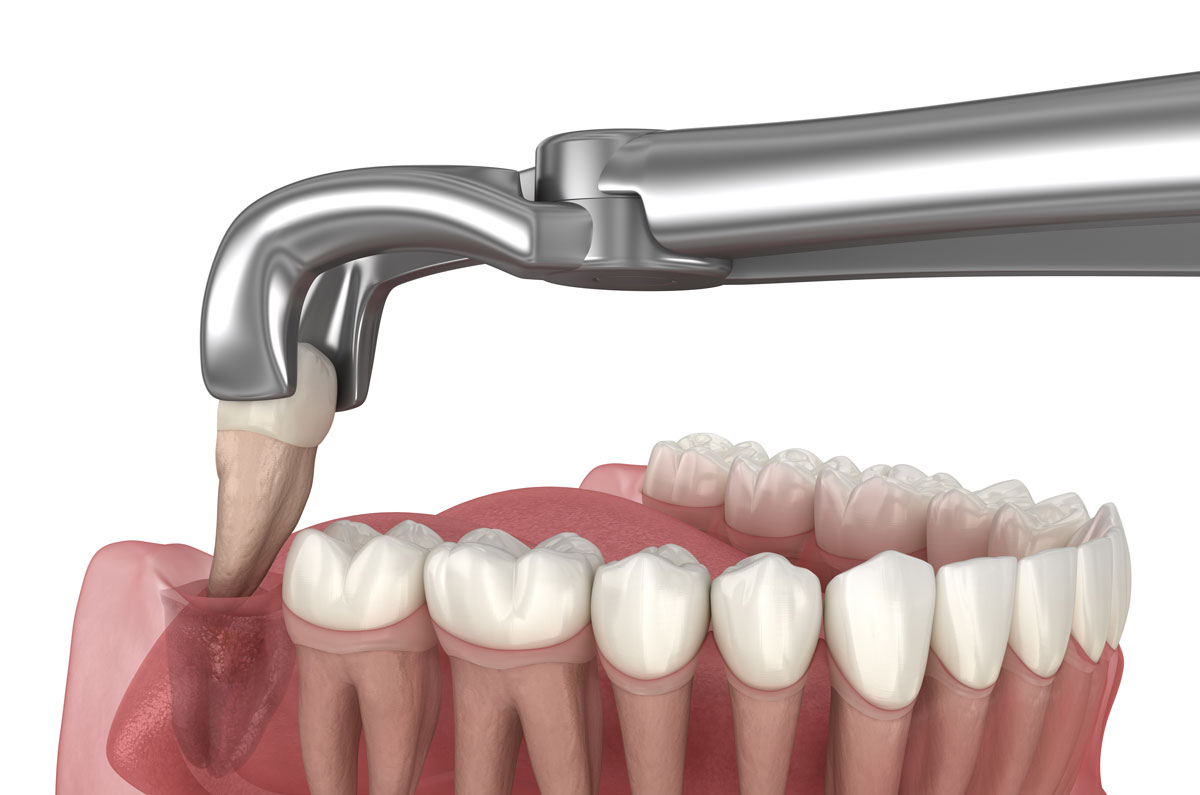
For many people, the fear of pain is the number one reason they put off wisdom teeth removal, sometimes for years. It’s a completely understandable concern, but the reality is far less intimidating than most people expect. Here’s an honest look at what you’ll actually feel before, during, and after the procedure. During the Procedure: Will It Hurt? The short answer is no. Wisdom teeth removal is performed under anesthesia, which means you won’t feel pain during the extraction itself. Before the procedure begins, your oral surgeon will administer local anesthesia to fully numb the area. Depending on your case and comfort level, you may also have the option of nitrous oxide, oral sedation, or IV sedation for a deeper state of relaxation. What you may feel during the procedure is pressure and movement, but not pain. Many patients are surprised by how straightforward the experience feels once they’re in the chair. After the Procedure: What’s Normal? Some degree of discomfort after wisdom teeth removal is normal and expected. As the anesthesia wears off in the hours following surgery, you may notice soreness in the jaw, swelling around the cheeks, and mild throbbing at the extraction sites. This is your body’s natural healing response, not a sign that something has gone wrong. The good news is that post-operative discomfort is very manageable. Your surgeon will send you home with clear instructions and, in most cases, a prescription for pain medication to keep you comfortable in the first few days. Over-the-counter options like ibuprofen can also be effective for mild to moderate soreness. The First 72 Hours Swelling and soreness typically peak around days two and three before gradually improving. During this window, a few simple steps can make a significant difference: What Is Dry Socket, and Should You Be Worried? Dry socket is the most common complication following wisdom teeth removal, occurring when the protective blood clot is disrupted before the socket has had a chance to heal. It can cause a sharp, radiating pain that typically develops three to four days after surgery. While it sounds alarming, dry socket is treatable and relatively easy to avoid by following your surgeon’s post-operative instructions. If you do develop it, a quick follow-up visit is all it takes to get relief. Related: Learn everything you need to know about wisdom tenths When Will You Feel Back to Normal? Most patients feel significantly better within a week and return to their normal routine shortly after. Full healing of the gum tissue takes a few weeks, but for the majority of people, the recovery is far more manageable than they anticipated going in. The Bottom Line Wisdom teeth removal is not the painful ordeal it’s often made out to be. With modern anesthesia, experienced surgeons, and proper aftercare, most patients find the experience far easier than expected. The discomfort that follows is temporary, and addressing problematic wisdom teeth now prevents far greater pain down the road. Don’t Let Fear Hold You Back At CTX Oral Surgery & Dental Implants, we understand that anxiety about pain is one of the biggest reasons people put off wisdom teeth removal, and we’re here to put your mind at ease. Our board-certified oral and maxillofacial surgeons prioritize your comfort at every stage, from anesthesia to recovery.
What Are Wisdom Teeth? Everything You Need to Know
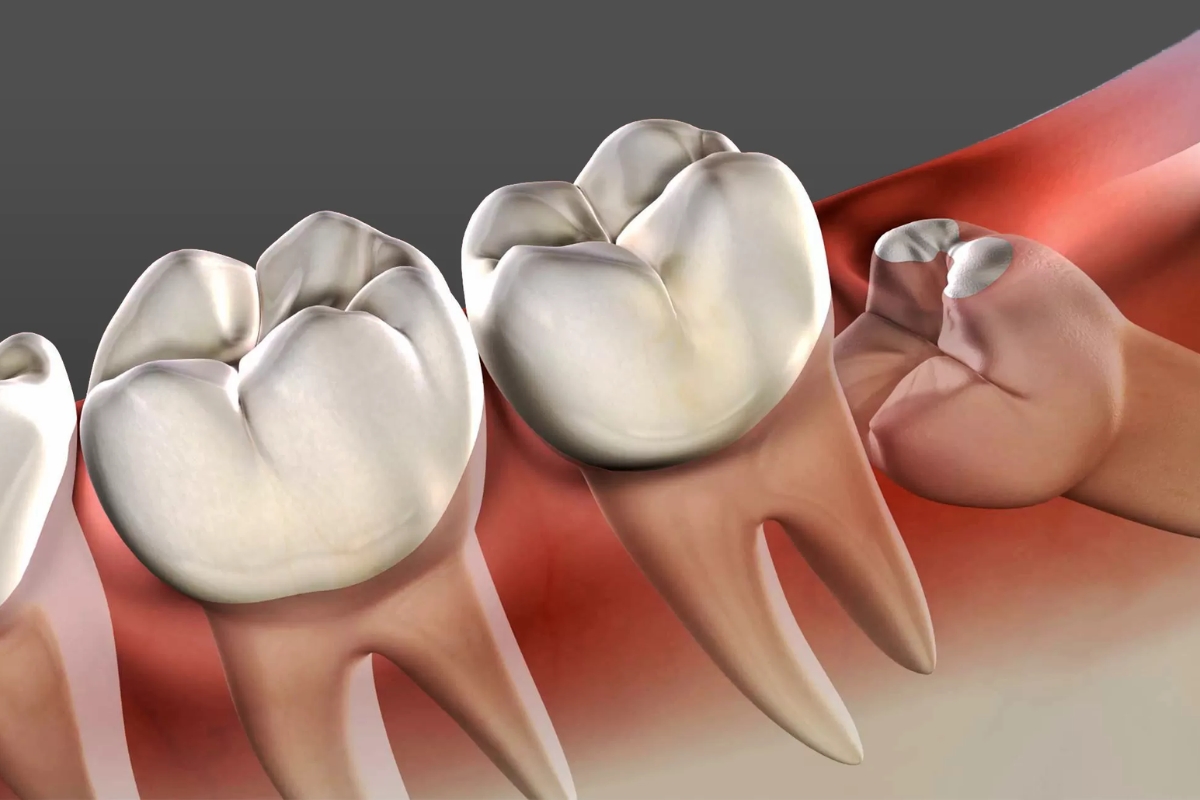
Wisdom teeth, formally called third molars, are the final set of molars to emerge at the back of the mouth. They typically develop between the ages of 17 and 25, though timing varies from person to person. For some, wisdom teeth come in without issue; for others, they can lead to complications such as impaction, crowding, infection, or damage to neighboring teeth. Why Do We Have Wisdom Teeth? Wisdom teeth are an evolutionary remnant. Our early ancestors had larger jaws and a rougher diet, think raw meat, nuts, and roots, that wore down teeth quickly. A third set of molars helped them continue chewing effectively. Today, our jaws are smaller and our diets far softer, leaving little room for these late-arriving teeth. The result? They often cause more problems than they solve. Common Wisdom Teeth Complications Not everyone will experience issues, but wisdom teeth complications are extremely common. Here’s what to watch for: How Do You Know If Your Wisdom Teeth Need to Come Out? Some people never have any symptoms at all, their wisdom teeth quietly emerge without causing trouble. Others notice signs like jaw pain or stiffness, swollen or tender gums at the back of the mouth, difficulty opening the mouth fully, or a persistent bad taste or odor near the back teeth. If you’re experiencing any of these, it’s worth scheduling an evaluation. Your dentist or oral surgeon will take X-rays to assess the position of your wisdom teeth and whether removal is the right course of action. What Happens If You Leave Them In? If your wisdom teeth are healthy, fully erupted, and easy to clean, there may be no need to remove them. However, monitoring them over time is still important, as problems can develop gradually without obvious symptoms. For wisdom teeth that are impacted or causing complications, leaving them untreated can lead to worsening pain, infection, or long-term damage to surrounding teeth and bone. The Bottom Line Wisdom teeth are a normal part of development, but they don’t always play nicely with the rest of your mouth. Understanding what they are and what complications to look for puts you in a much better position to make informed decisions about your oral health. If you’re unsure about the status of your wisdom teeth, the best first step is a conversation with a qualified oral surgeon. Ready to Take the Next Step? At CTX Oral Surgery & Dental Implants, our mission is simple: to provide exceptional care with empathy, dedication, and a commitment to excellence. Whether you’re dealing with discomfort or just want to know where your wisdom teeth stand, our board-certified oral and maxillofacial surgeons are here to guide you every step of the way.

All-on-4 Dental Implants: How Full-Arch Tooth Replacement Works From Planning to Final Smile
For patients missing most or all of their teeth, All-on-4 dental implants offer a proven way to restore a full smile using fewer implants and a structured surgical approach. At CTX Oral Surgery & Dental Implants, this technique is used for patients who want fixed teeth, improved function, and long-term stability without relying on removable dentures. Below is a clear explanation of how the All-on-4 process works, from the initial planning phase through the final restoration. What Is the All-on-4 Dental Implant Technique? All-on-4 is a full-arch tooth replacement method that uses four or more dental implants to support an entire upper or lower set of teeth. Instead of placing one implant per missing tooth, implants are positioned in strategic locations within the jaw to support a single fixed prosthesis. This approach is often used for patients who are fully edentulous or facing widespread tooth loss due to decay, gum disease, or damage. Step One: Planning the New Smile Before Surgery The All-on-4 process starts with planning the final teeth before any implants are placed. A dental setup of the new teeth is created first, which helps guide the entire procedure. That setup is then used to create a scan template for a 3D X-ray. Using advanced imaging, the oral surgeon evaluates bone quality, jaw structure, and anatomical landmarks. A virtual implant planning process follows, allowing precise positioning of each implant before surgery day. This step plays a key role in achieving balance, strength, and proper bite alignment. Step Two: Guided Implant Placement During Surgery During the surgical appointment, a custom template guides the placement of the four or more implants into the jawbone. Two to three implants are typically placed toward the front of the jaw, while the back implants are angled to maximize bone contact and stability. Angling the posterior implants helps avoid sensitive structures such as the sinus cavities in the upper jaw and the mandibular nerve in the lower jaw. This technique also allows patients with reduced bone volume to qualify for treatment without extensive grafting. After the implants are placed, connecting components are attached to correct for implant angulation. A full-arch prosthesis is then secured to the implants on the same day. Immediate Function With Temporary Teeth One of the defining features of All-on-4 treatment is immediate function. A temporary prosthesis is placed right after surgery, allowing patients to leave the office with a full set of fixed teeth. This temporary set supports normal speech, appearance, and light chewing while the implants bond with the jawbone. Patients no longer need to manage loose dentures or go without teeth during healing. Real-World Clinical Application In clinical cases where patients present with a fully edentulous upper jaw and failing teeth in the lower jaw, All-on-4 allows both arches to be treated efficiently. Remaining teeth are removed, implants are placed, and temporary teeth are attached in a single coordinated procedure. The angled placement of the back implants adds a layer of safety and stability, while immediate loading helps patients regain confidence right away. Healing and Implant Integration Over the next three to four months, the implants integrate with the jawbone through a natural process called osseointegration. During this phase, patients follow a guided recovery plan and maintain regular check-ins with their dental team. The temporary prosthesis remains in place while the bone heals, allowing daily activities to continue with minimal interruption. Step Three: The Definitive Prosthesis Once healing is complete, the final prosthesis is fabricated in a dental laboratory. This permanent set of teeth is often monolithic zirconia. The definitive prosthesis is secured to the implants, creating a stable, fixed restoration that looks natural and supports long-term oral health. Final imaging typically shows healthy bone levels and well-adapted soft tissue around the implants. The Outcome: A Restored Smile and Function All-on-4 dental implants allow patients to regain the ability to eat, speak, and smile with confidence. By combining advanced planning, guided surgery, and coordinated restorative care, this technique provides a predictable solution for full-arch tooth replacement. For patients researching All-on-4 dental implants, working with an experienced oral surgery team plays a major role in achieving a successful outcome that lasts.

All-on-4 Dental Implants: Procedure, Benefits, and Who Is a Candidate
All-on-4 dental implants offer a full-arch tooth replacement solution for patients who have lost most or all of their teeth. This treatment replaces an entire upper or lower set of teeth using four or more strategically placed implants, providing a fixed, stable alternative to removable dentures. At CTX Oral Surgery & Dental Implants, All-on-4 treatment is planned and performed by oral surgeons with focused experience in complex implant care. This guide explains how the All-on-4 procedure works, the benefits it offers, and which patients may qualify. What Are All-on-4 Dental Implants? All-on-4 is a dental implant technique designed to support a full arch of replacement teeth using four or more implants placed in the jawbone. In general, two implants are positioned toward the front of the jaw, while two are placed at an angle in the back to maximize contact with available bone. This design allows a single fixed prosthesis to replace all missing teeth in one arch. The result is a secure set of teeth that does not shift, slide, or require removal. The All-on-4 Dental Implant Procedure 1. Evaluation and Digital Planning Treatment begins with a full examination, medical review, and 3D imaging of the jaw. A digital plan is created to map implant placement based on bone quality, bite alignment, and anatomy. This planning step helps guide accurate implant positioning and coordination with the restoring dentist. 2. Tooth Removal and Implant Placement If damaged or failing teeth remain, they are removed during the same visit. The implants are then placed into the jawbone using a guided surgical approach. The angled placement of the back implants helps avoid sensitive areas such as the sinus cavities and mandibular nerve. 3. Immediate Temporary Teeth After implant placement, a temporary full-arch prosthesis is secured to the implants. Patients leave the office with a fixed set of teeth, the same or the next day, allowing them to speak and smile without the inconvenience of dentures. 4. Healing and Integration Over the next three to four months, the implants bond with the jawbone. This process creates a strong foundation for the final restoration while patients continue daily activities with their temporary teeth. 5. Final Prosthesis Placement Once healing is complete, a custom permanent prosthesis is fabricated in a dental laboratory. This final set of teeth is designed for strength, comfort, and appearance, then secured to the implants. Benefits of All-on-4 Dental Implants Fixed, Stable Teeth All-on-4 implants provide a permanent solution that stays in place. Patients do not need adhesives or removal for cleaning. Fewer Implants Required Using four or more implants reduces surgical complexity while still supporting a full arch of teeth. Bone Preservation Implants stimulate the jawbone, helping reduce bone loss that often occurs with missing teeth or long-term denture use. Improved Comfort and Function Patients can eat a wider range of foods and speak with confidence compared to traditional dentures. Immediate Results Temporary teeth are placed the same day as surgery, eliminating long periods without teeth. Who Is a Candidate for All-on-4? All-on-4 dental implants are often recommended for: Patients missing all or most teeth in one or both arches Individuals with loose, uncomfortable dentures Patients with teeth in poor condition requiring removal Those with bone loss who want to avoid extensive grafting Adults in good general health who can undergo oral surgery A thorough evaluation is required to confirm candidacy. Bone quality, medical history, and oral health all play a role in determining the best treatment plan. All-on-4 vs Traditional Dentures Traditional dentures rest on the gums and may shift during eating or speaking. All-on-4 implants anchor directly into the jawbone, providing stability and a more natural feel. Over time, dentures can contribute to bone loss, while implants help maintain jaw structure. Long-Term Care and Maintenance Caring for All-on-4 dental implants involves daily brushing, flossing around the prosthesis, and routine dental visits. With proper care and professional monitoring, All-on-4 implants can provide reliable function for many years. A Proven Full-Arch Solution All-on-4 dental implants combine advanced planning, surgical precision, and restorative coordination to replace an entire smile with a fixed solution. For patients seeking a stable alternative to dentures, this approach offers a clear path toward restored function and confidence.

9 Common All-on-4 Dental Implant Problems
All-on-4 dental implants are a widely used solution for replacing a full arch of missing teeth using four strategically placed implants. While this treatment has a high success rate, it remains a surgical procedure and is not without risk. Understanding the most common All-on-4 dental implant problems helps patients set realistic expectations and make informed decisions before treatment. At CTX Oral Surgery & Dental Implants, careful planning, imaging, and surgical experience are key factors in reducing these risks. Below are nine of the most common issues associated with All-on-4 dental implants. 1. Implant Failure to Integrate One of the most serious All-on-4 dental implant problems is an implant failing to bond with the jawbone. This can occur due to poor bone quality, uncontrolled medical conditions, smoking, or excessive pressure placed on the implants during healing. When integration does not occur, the implant may loosen and require replacement. 2. Infection Around the Implants Infection around dental implants, often referred to as peri-implant disease, can lead to swelling, discomfort, and bone loss. Bacterial buildup around the implant site increases the risk, especially when oral hygiene routines are not followed closely after surgery. 3. Bone Loss After Treatment Although implants help preserve bone, bone loss can still occur if implants are placed incorrectly or if inflammation develops around them. Progressive bone loss can compromise implant stability and affect the long-term success of the All-on-4 restoration. 4. Poor Bite Alignment Improper bite alignment places uneven forces on the implants and prosthesis. Over time, this may cause discomfort, stress on the implants, or damage to the prosthetic teeth. Precise planning and coordination with the restoring dentist helps reduce this issue. 5. Fracture or Wear of the Prosthesis The prosthetic teeth attached to All-on-4 implants can chip, crack, or wear down. This is more common in patients who grind their teeth or place heavy biting forces on the prosthesis. While the implants themselves remain stable, repairs or replacement of the prosthesis may be needed. 6. Loosening of Prosthetic Screws The screws that secure the prosthesis to the implants can loosen over time due to repeated chewing forces. This issue is usually manageable with routine dental visits, but should not be ignored, as movement of the prosthesis can stress the implants. 7. Speech or Comfort Changes Some patients experience changes in speech, pressure, or a foreign sensation after receiving All-on-4 implants. These concerns often improve as the mouth adapts, but adjustments to the prosthesis may be required in certain cases. 8. Sinus or Nerve Complications In the upper jaw, implants placed too close to the sinus cavity may cause sinus discomfort. In the lower jaw, improper placement can affect nearby nerves, leading to numbness or tingling. Detailed imaging and guided surgery play a major role in preventing these complications. 9. Poor Long-Term Maintenance All-on-4 dental implants require daily cleaning and routine professional care. Inadequate maintenance increases the risk of infection, bone loss, and implant complications over time. Patients must commit to ongoing oral hygiene and follow-up appointments. Why Experience Matters With All-on-4 Dental Implants Many All-on-4 dental implant problems are preventable with proper patient selection, advanced imaging, and precise surgical execution. Working with an experienced oral and maxillofacial surgery team helps minimize risk and supports long-term implant stability. Final Thoughts All-on-4 dental implants offer a reliable solution for full-arch tooth replacement, but understanding potential problems is essential. Awareness, planning, and ongoing care all contribute to successful outcomes and long-term oral health.