

When a tooth is seriously damaged or infected, your dentist will likely present you with two options: save the tooth with a root canal, or remove it with an extraction. For most people, that conversation comes with a mix of confusion, anxiety, and a lot of questions. Which one is better? Which one is right for you? The honest answer is that there is no universal right choice. The decision depends on several factors specific to your tooth, your overall oral health, and your long-term goals. Understanding how that decision gets made can help you feel more confident walking into your next appointment. What Each Procedure Actually Does Before comparing the two, it helps to understand what you are agreeing to with each option. A root canal is a procedure designed to save a tooth that has become infected or badly decayed at its core. The dentist or endodontist removes the infected pulp from inside the tooth, cleans the root canals, and seals everything off. A crown is usually placed on top afterward. Despite its reputation, a root canal is closer to a routine filling procedure than major surgery. A tooth extraction is exactly what it sounds like: the tooth is removed entirely. This can be done as a simple extraction if the tooth is visible and accessible, or as a surgical extraction if the tooth is impacted, broken below the gumline, or otherwise difficult to access. Once a tooth is gone, the surrounding bone and neighboring teeth begin to shift over time, which is why replacement options like dental implants are often discussed alongside extractions. How Dentists and Oral Surgeons Make the Call The decision between a root canal and an extraction is not arbitrary. It follows a fairly predictable set of clinical considerations. The Extent of Damage or Infection If the infection is contained within the tooth’s pulp and the surrounding bone and tissue are still healthy, a root canal is often the preferred route. Dentists generally want to preserve natural teeth whenever possible. Your real tooth is always better than any replacement, no matter how advanced dental technology has become. However, if the infection has spread significantly into the surrounding bone, or if the tooth is so structurally compromised that it cannot support a crown, saving it may not be realistic. In those cases, extraction becomes the more practical and sometimes the only viable option. The Structural Integrity of the Tooth A tooth can survive a root canal only if enough of its natural structure remains intact afterward. If the tooth is cracked below the gumline, severely fractured, or has been weakened by extensive decay, a root canal may not hold. Placing a crown on a tooth without adequate support is like trying to build a second floor on a crumbling foundation. When the structural damage is too extensive, extraction followed by a dental implant often produces a more durable, functional outcome in the long run. Your Overall Oral Health The condition of the surrounding teeth and gums matters too. If neighboring teeth are already compromised, or if a patient has significant bone loss from advanced gum disease, the local environment may not support a restored tooth effectively. Oral surgeons and dentists take the full picture into account, not just the single troubled tooth. Cost and Long-Term Value This is where many patients get tripped up. An extraction is almost always less expensive upfront, but the downstream costs can add up quickly. Leaving a gap in your mouth without a replacement leads to bone loss, shifting teeth, and bite problems that are expensive to correct later. A root canal with a crown tends to cost more initially, but when the tooth is salvageable, it often represents better long-term value. If extraction is the right call, pairing it with a dental implant preserves bone volume and function in a way that a bridge or partial denture cannot fully replicate. According to the American Association of Endodontists, a restored tooth that has had a root canal can last a lifetime with proper care. That context matters when weighing your options. When Extraction Is Clearly the Better Option There are situations where even the most tooth-preserving dentist will recommend extraction without hesitation. If a tooth is severely broken, split vertically, or has an infection that has become a risk to surrounding bone or nearby teeth, keeping it does more harm than good. The same applies to impacted teeth, particularly wisdom teeth, that are causing crowding, recurring infections, or cyst formation. In these cases, removal is not a last resort; it is the clinically sound first move. Teeth that have failed a previous root canal and cannot be retreated successfully may also reach a point where extraction is the only remaining path forward. When a Root Canal Is Worth Pursuing A root canal earns its place when the tooth has real structural viability and the infection has not spread beyond what the procedure can address. Front teeth and premolars tend to respond particularly well because of their simpler root anatomy. Molars are more complex but are still treated successfully with root canals every day. If you are a good candidate, choosing a root canal means keeping your natural tooth, maintaining the bone around it, and avoiding the need to plan for a replacement. That has significant value both functionally and aesthetically. What Happens After Each Procedure Recovery differs meaningfully between the two. After a root canal, most people return to normal activity within a day or two, with some tenderness that fades within a week. After an extraction, especially a surgical one, recovery takes longer and requires more active care to protect the healing site. If you do move forward with an extraction, following proper aftercare instructions is essential for a smooth recovery. You can find detailed post-extraction care tips to help you know what to expect and how to protect the extraction site during healing. Getting a Recommendation You Can Trust The most important thing to understand is that

Jaw Pain and TMJ: When to See an Oral Surgeon
That clicking sound when you open your mouth. The dull ache near your ear that you keep mistaking for a headache. The stiffness in your jaw every morning makes eating breakfast feel like a chore. If any of this sounds familiar, you might be dealing with a TMJ disorder, and you might be wondering whether it’s serious enough to actually do something about. The honest answer: sometimes it resolves on its own, and sometimes it doesn’t. Knowing the difference is what matters. What Is TMJ, and Why Does It Cause So Much Trouble? TMJ stands for temporomandibular joint – the hinge that connects your lower jaw to the base of your skull, just in front of each ear. You use this joint constantly: talking, chewing, yawning, swallowing. It’s one of the most frequently used joints in the body, which is part of why problems with it can feel so disruptive. When the joint, surrounding muscles, or cartilage disc become irritated, inflamed, or misaligned, the result is what most people call a “TMJ disorder” or TMD. The American Academy of Orofacial Pain estimates that TMD affects millions of Americans, yet many people go years without a proper diagnosis because the symptoms often mimic other conditions. Common Symptoms That Might Point to a TMJ Problem TMJ disorders don’t always announce themselves obviously. The symptoms can be subtle, scattered, and easy to attribute to something else entirely. Pain or tenderness around the jaw, ear, or temple is the most common sign. But people also report a popping or clicking sensation when they open or close their mouth, difficulty chewing, or a jaw that occasionally locks in place. Headaches, neck stiffness, and even ear ringing (tinnitus) can also be connected to TMJ dysfunction. The tricky part is that these symptoms can overlap with sinus issues, tension headaches, ear infections, and even dental problems. That’s why self-diagnosis is rarely reliable, and why getting an expert evaluation matters more than most people realize. When Is TMJ Pain Something You Can Manage at Home? Not every case of jaw discomfort requires a specialist. Mild TMJ symptoms, especially those that appear after stress, teeth grinding, or eating something particularly tough, often respond well to conservative care. Resting the jaw by eating softer foods, applying warm compresses, and avoiding habits like chewing gum or clenching teeth can reduce inflammation and give the joint time to settle. A night guard prescribed by a general dentist can help if nighttime grinding is contributing to the problem. Over-the-counter anti-inflammatories may also take the edge off during a flare-up. The key word here is “mild.” If your symptoms are moderate, persistent, or getting worse, home management is not enough. When to Stop Waiting and See an Oral Surgeon This is where a lot of people get stuck. They tolerate the pain for months, sometimes years, because they’re unsure whether it’s serious enough to warrant a surgical consultation. Here’s the clearer picture. Your Jaw Is Locking or Catching If your jaw locks open or closed, even briefly, that’s not something to monitor and wait on. Locking suggests that the disc inside the joint has shifted significantly, and without proper evaluation, it can worsen over time. The Pain Is Persistent or Spreading Jaw discomfort that lasts more than a few weeks, or that is starting to affect your ear, temple, neck, or shoulder, warrants a professional opinion. Chronic pain in this region rarely improves without addressing the root cause. Conservative Treatments Haven’t Worked If you’ve already tried a night guard, physical therapy, or anti-inflammatory medications for several months without meaningful improvement, it’s time to consider whether something structural is happening that requires a higher level of care. You’re Having Difficulty Eating or Speaking When TMJ pain starts limiting your ability to open your mouth wide enough to eat comfortably or speak without discomfort, that’s a functional problem. Oral surgeons are specifically trained to evaluate and treat the anatomical issues behind these limitations. There Was an Injury Involved A fall, car accident, or blow to the face can damage the TMJ even without obvious external injury. If jaw pain or dysfunction developed after any kind of trauma, an oral surgeon should evaluate it, not just a general dentist. What an Oral Surgeon Can Do That Others Can’t Oral and maxillofacial surgeons have specialized training in the structures of the jaw, face, and skull that general dentists and even most other specialists simply don’t have. When it comes to TMJ disorders, that depth of expertise makes a significant difference in both diagnosis and treatment planning. At CTX Oral Surgery and Dental Implants, the evaluation process looks beyond surface-level symptoms. The surgeons assess joint structure, bite alignment, muscle function, and imaging to understand exactly what’s happening and to determine whether surgery is actually warranted or whether another approach would be more effective. It’s worth noting that surgery is not the default recommendation. Most patients with TMJ disorders can be managed without it. But for those who have exhausted other options, or whose anatomy requires intervention, understanding the available TMJ surgery options can be genuinely reassuring, especially when it’s explained by someone who performs those procedures regularly. Can Jaw Structure Itself Be the Problem? Sometimes, yes. When the upper and lower jaws don’t align properly, due to how the bones developed or shifted over time, the TMJ can be placed under abnormal stress that no amount of conservative treatment will fully resolve. In these cases, corrective jaw surgery may address both the alignment issue and the resulting joint dysfunction. This is a more involved conversation, but it’s one worth having if you’ve been managing TMJ symptoms for years without a clear explanation for why they keep returning. What to Expect at a Consultation Coming in for an evaluation doesn’t commit you to anything. A good consultation is really a fact-finding conversation. You’ll describe your symptoms and history, the surgeon will examine your jaw and bite, and imaging may be reviewed to get a clearer view of the joint.
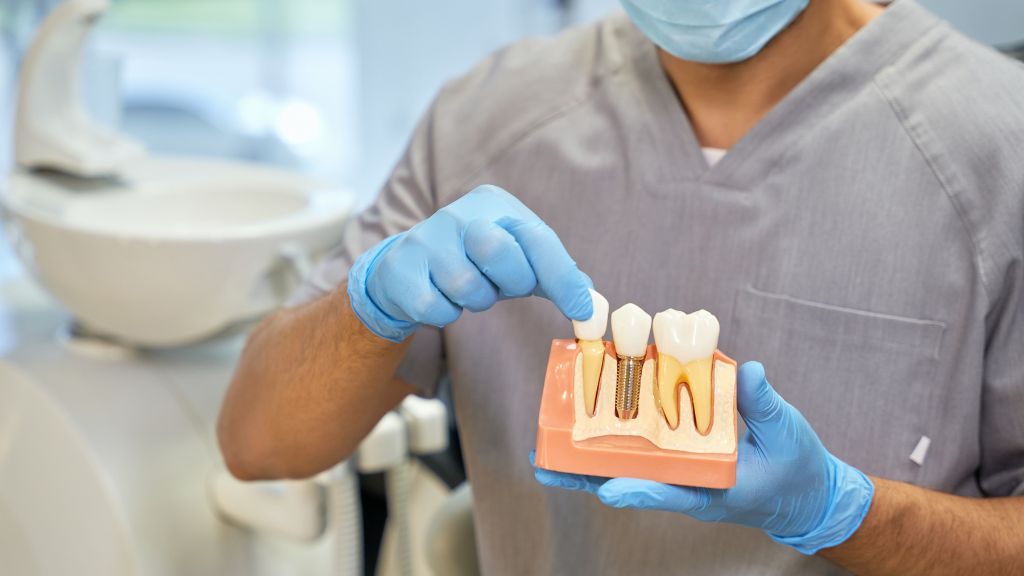
Dental Implant Aftercare: How to Protect Your Investment Long Term
Dental implants are one of the best decisions you can make for your oral health. They look natural, function like real teeth, and with proper care, they can last a lifetime. But here is the part people do not always hear upfront: your long-term results depend heavily on what happens after the procedure. The surgery itself is only half the equation. Aftercare is the other half, and it deserves just as much attention. Why Aftercare Matters More Than Most People Expect It is easy to assume that once the implant is placed and healed, you are done. In reality, the months and years following surgery are when the implant either becomes a permanent, trouble-free solution or begins to face complications that could have been avoided. Implants integrate with your jawbone through a process called osseointegration. This process takes time, and during that window, what you eat, how you clean your mouth, and how often you see your dentist all play a direct role in whether the implant bonds successfully. Even after full healing, implants require consistent maintenance. The good news is that it is not complicated. It just has to be consistent. The First Few Weeks: Setting the Foundation What to Expect Right After Surgery Swelling, mild discomfort, and some bleeding in the first 24 to 48 hours are completely normal. Your surgical team will send you home with specific instructions, and following them closely during this initial phase is critical. Avoid hard or crunchy foods. Stick to soft options like yogurt, mashed potatoes, scrambled eggs, and smoothies. Do not use a straw, as the suction can disrupt the surgical site. Keep your head elevated when resting, and do not smoke. Oral Hygiene in the Early Healing Phase You still need to keep your mouth clean, but gently. Rinse with warm salt water a few times a day, but avoid vigorous swishing. Brush your other teeth as normal, but stay away from the implant site until your surgeon gives you the green light. This early period is when most complications, like infection or implant failure, are most likely to begin. Skipping care steps because the area feels tender is one of the most common mistakes patients make. Gentle but consistent hygiene is the goal. Long-Term Implant Care: Building Habits That Last Daily Oral Hygiene for Implants Once you have healed, your daily routine should look very similar to how you would care for natural teeth, but with a few important differences. Brushing twice a day is non-negotiable. Use a soft-bristled toothbrush and non-abrasive toothpaste. Hard bristles and gritty toothpaste can scratch the surface of the implant crown over time, which can make it more susceptible to plaque buildup. Flossing around implants is equally important, but it requires a bit more attention than standard flossing. Regular floss can work, but many patients find that water flossers or implant-specific floss make it easier to clean around the implant post and under the crown. Bacteria that accumulate in that space can lead to a condition called peri-implantitis, which is essentially gum disease around the implant. Left untreated, it can eventually cause the implant to fail. Protecting Your Implants from Physical Damage Implants are strong, but they are not indestructible. Chewing on ice, biting your nails, or using your teeth to open packaging are habits that can damage both natural teeth and implant crowns. If you grind your teeth at night, this is a conversation you need to have with your dental provider. Bruxism, or chronic grinding, puts significant stress on implants and can lead to crown fractures or loosening of the implant over time. A custom nightguard is a simple solution that protects your investment while you sleep. For patients who play contact sports, a mouthguard is equally important. One impact to the face can damage a crown or, in more serious cases, affect the implant itself. Professional Maintenance: Do Not Skip Your Check-Ups Why Regular Dental Visits Are Essential for Implant Longevity One of the biggest mistakes people make after getting implants is assuming that because implants cannot get cavities, they do not need professional attention. That logic is understandable but incomplete. Your gums and the bone surrounding the implant still need to be monitored. Peri-implantitis can develop silently, without much pain, until it has already caused significant bone loss. Regular cleanings and X-rays allow your provider to catch early signs of inflammation or bone changes before they become serious problems. According to the American Academy of Osseointegration, routine professional maintenance is one of the primary factors in long-term implant success. Most providers recommend check-ups every six months, though some patients with a history of gum disease may need more frequent visits. For a closer look at what the recovery process involves and how to set your implant up for success from the very beginning, the post-implant care tips from CTX Oral Surgery cover the key details you should know. Professional Cleaning Around Implants Not every dental hygienist is equally experienced with implant care, so it is worth letting your provider know upfront that you have implants. Certain metal instruments can scratch the implant surface, which is why many practices use plastic or resin-tipped tools for cleaning around them. This small detail makes a real difference over time. Lifestyle Factors That Affect Implant Health Smoking and Implant Failure Risk Smoking is one of the most significant risk factors for implant failure, both during the healing phase and over the long term. It restricts blood flow to the gums and bone, which impairs healing and increases the risk of infection. Research consistently shows that smokers have higher implant failure rates than non-smokers. If you smoke and are considering implants, this is worth a candid conversation with your surgeon before the procedure. And if you already have implants, quitting remains one of the most impactful things you can do for their longevity. Diet and Bone Health Your implant is anchored in bone. That means bone density directly affects how stable and lasting the
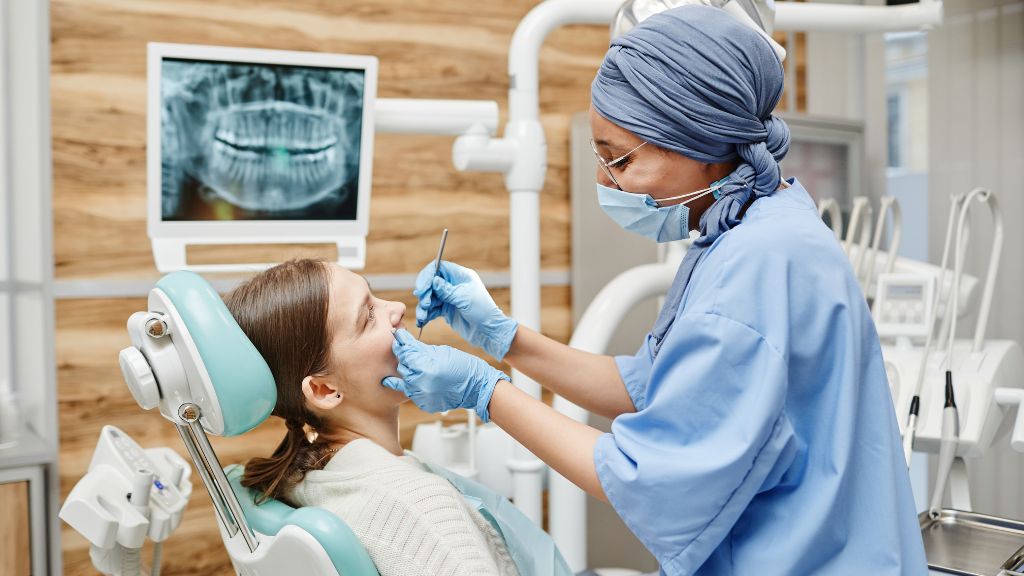
How to Prepare for Your First Oral Surgery Consultation
Walking into your first oral surgery consultation can feel a little intimidating, especially if you are not sure what to expect. Maybe your dentist referred you for wisdom teeth removal, dental implants, or something else entirely. Either way, showing up prepared makes a real difference – not just for your comfort, but for the quality of care you receive. This guide walks you through exactly what to do before that first appointment so you can make the most of your time and leave with a clear plan. Why Your First Consultation Matters More Than You Might Think The initial consultation is not just a formality. It is the appointment where your surgeon gets to know your health history, examines your mouth and jaw, reviews any imaging, and begins building a treatment plan specific to you. For patients at a practice like CTX Oral Surgery and Dental Implants in Georgetown and Temple, TX, this appointment sets the tone for everything that follows. The goal is not to rush you toward a procedure – it is to make sure you and your surgical team are on the same page before anything happens. Coming prepared helps your surgeon give you accurate information and helps you ask the right questions while you are there. What to Gather Before the Appointment Your Medical and Dental History Your surgeon needs a complete picture of your health, not just your teeth. Before your visit, take a few minutes to write down any medical conditions you have been diagnosed with, surgeries you have had in the past, and any known allergies – especially to medications or anesthesia. If you have had recent dental X-rays or imaging, bring those along or ask your general dentist to send them ahead of time. This can save you from repeating tests and helps the surgeon see what they are working with before the exam even begins. A Full List of Your Medications This one is easy to overlook but critically important. Bring a complete list of every medication you take, including over-the-counter drugs, vitamins, and supplements. Certain medications – like blood thinners, aspirin, or herbal supplements – can affect how procedures are planned and how you heal afterward. Do not assume something is too minor to mention. Your surgeon needs the full picture. Your Insurance Information and ID Bring your insurance card, a valid photo ID, and any referral paperwork from your dentist if applicable. If you have questions about coverage, it is worth calling ahead so the front desk can verify your benefits before you arrive. What to Expect During the Consultation A Conversation, Not Just an Exam Good oral surgery consultations are two-way conversations. Your surgeon will ask about your symptoms, concerns, and what brought you in. This is also your opportunity to share anything that makes you nervous, whether that is anesthesia, recovery time, or what the procedure actually involves. Board-certified oral and maxillofacial surgeons are trained not only in surgery but in helping patients feel genuinely informed. If something is unclear, ask for clarification. You should leave the appointment understanding what is being recommended and why. Imaging and Clinical Evaluation Depending on your situation, your surgeon may take a cone beam CT scan or panoramic X-ray during the visit. These provide a detailed, three-dimensional view of your teeth, bone structure, jaw, and surrounding anatomy – far more information than a standard dental X-ray can offer. This imaging is especially important for procedures like dental implant planning, jaw surgery, or evaluating impacted teeth. It helps the surgeon assess bone density, nerve location, and other factors that directly influence how your treatment is approached. A Treatment Plan Tailored to You By the end of your consultation, you should have a clear understanding of what is being recommended, what your options are, and what the next steps look like. A reputable practice will not pressure you into scheduling a procedure on the spot. The decision is yours, and you should feel comfortable with it. Questions Worth Asking Your Oral Surgeon Most patients leave their consultation wishing they had asked more questions. Here are a few that tend to matter: Write these down before you go. It is easy to forget in the moment, especially if you are feeling anxious. A Note on Anesthesia If your procedure involves sedation or IV anesthesia, your surgeon will give you specific instructions to follow beforehand. These instructions exist for your safety and should be followed carefully. According to the American Association of Oral and Maxillofacial Surgeons, patients undergoing anesthesia should generally avoid eating or drinking for a certain period before their procedure. Failure to follow these guidelines can lead to serious complications and may require rescheduling. At CTX Oral Surgery and Dental Implants, patients are provided with detailed pre-anesthesia guidelines to review ahead of time. Familiarizing yourself with these instructions early, even before your procedure is scheduled, gives you a better sense of what to expect and how to prepare your household, work schedule, and transportation arrangements. Practical Logistics That Make a Difference Plan Your Transportation If there is any chance your consultation could lead to a same-day procedure, or if anesthesia is involved, arrange for a responsible adult to drive you home. Even if nothing is scheduled that day, it is one less thing to stress about. Dress Comfortably Wear loose, comfortable clothing. Avoid wearing heavy makeup, nail polish, or contact lenses if anesthesia is being discussed – these can interfere with monitoring during sedation. Arrive a Few Minutes Early New patient paperwork takes time. Arriving ten to fifteen minutes early gives you a chance to complete forms without feeling rushed and to ask any last-minute questions at the front desk. The Difference a Prepared Patient Makes Surgeons and their teams consistently note that prepared patients have better outcomes – not just clinically, but in terms of their overall experience. When you show up with your records, your questions, and a basic understanding of what is involved, the entire appointment runs more smoothly.
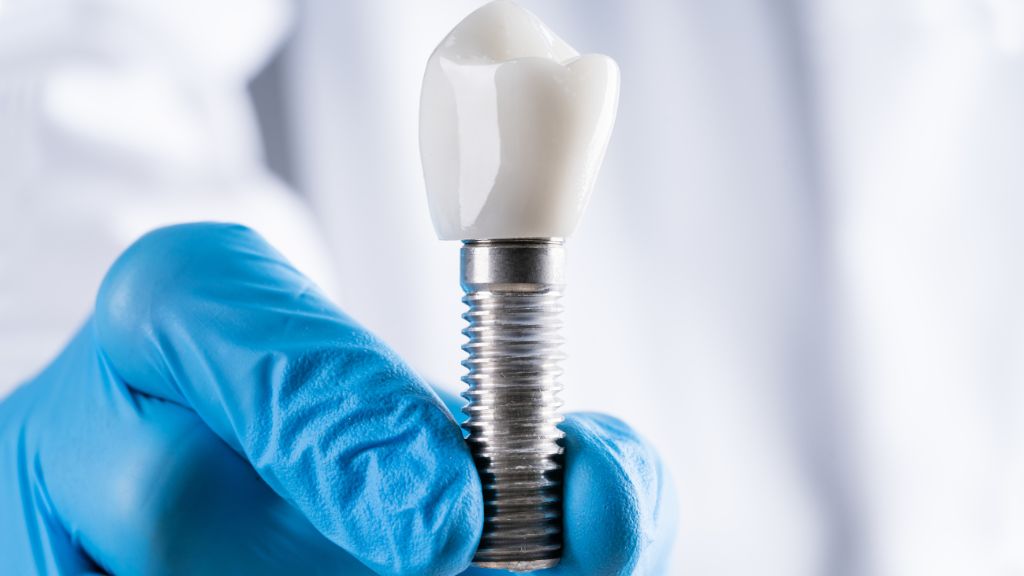
All-on-4 vs. Traditional Dental Implants: Key Differences Explained
If you’ve been researching tooth replacement options, you’ve probably come across two terms that sound similar but work quite differently: All-on-4 dental implants and traditional dental implants. Both can restore your smile and improve your quality of life, but they’re designed for different situations, different budgets, and different levels of tooth loss. So how do you know which one is right for you? Let’s break it down in plain terms. What Are Traditional Dental Implants? Traditional dental implants are individual titanium posts that are surgically placed into the jawbone to replace one or more missing teeth. Each implant acts as an artificial tooth root, and a custom crown is attached on top to mimic the look and function of a natural tooth. This approach has been used successfully for decades and is considered the gold standard for single-tooth or multi-tooth replacement. If you’ve lost a few teeth in different areas of your mouth, traditional implants allow each missing tooth to be addressed independently. The process typically involves multiple appointments over several months. After the implant is placed, the jawbone needs time to fuse with the titanium post through a process called osseointegration. Once that’s complete, the permanent crown is secured on top. What Are All-on-4 Dental Implants? All-on-4 is a full-arch restoration solution. Instead of replacing each tooth individually, All-on-4 uses just four strategically placed implants to support an entire arch of teeth, either the upper jaw, lower jaw, or both. The four implants are positioned at specific angles to maximize contact with the available bone. This design is especially useful for patients who have experienced significant bone loss because the angled implants can often reach denser bone that’s still present, even after the front bone has deteriorated. One of the most appealing aspects of the All-on-4 system is speed. Many patients receive a full set of functional, natural-looking teeth on the same day as their surgery, often referred to as “teeth in a day.” While these initial teeth are temporary, the final prosthesis is attached once healing is complete. Key Differences Between All-on-4 and Traditional Implants Understanding how these two options compare helps clarify which path makes more sense for your specific situation. Scope of Tooth Loss Traditional implants work best when you’re missing one tooth or a handful of teeth scattered across your mouth. All-on-4 is designed for patients who are missing most or all of their teeth in one or both arches, or those who are dealing with failing teeth that need to be extracted. Number of Implants Required With traditional implants, each missing tooth generally requires its own implant post. If you’re replacing six teeth, you may need six implants. With All-on-4, just four implants support an entire arch of up to 12 or more teeth. That’s a significant difference in surgical complexity and recovery. Bone Grafting Requirements Traditional implants often require adequate bone volume at each implant site. If bone loss has occurred, a bone graft may be needed before the implant can be placed, which adds time and cost to the process. All-on-4 was specifically engineered to reduce or eliminate the need for bone grafting. By tilting the rear implants at an angle, surgeons can anchor them into areas where bone density is typically higher, even in patients with substantial bone loss. According to the American Academy of Implant Dentistry, bone loss is a common consequence of missing teeth, which is why timing and method of replacement both matter significantly. Treatment Timeline Traditional implants usually take anywhere from six months to over a year from start to finish, depending on whether bone grafting is needed and how quickly the implants integrate. All-on-4 can dramatically compress that timeline, sometimes allowing patients to leave the office with functional teeth the very same day. Cost Considerations It’s difficult to give a single number for either option because costs vary based on the complexity of treatment, the number of implants, and individual patient needs. That said, replacing a full arch with individual implants can become very expensive very quickly. All-on-4 often provides a more cost-effective path to full-arch restoration because fewer implants are used and bone grafting is frequently avoided. Who Is a Good Candidate for Each Option? This is where a consultation with an oral surgeon becomes essential, because there’s no universal answer. Traditional implants tend to be a better fit for patients who: All-on-4 tends to be a better fit for patients who: What About Dentures? Where Do They Fit In? Many patients arrive at this decision after years of wearing traditional removable dentures. Dentures can slip, limit what you eat, and require regular adhesive use. Both traditional implants and All-on-4 offer a fixed solution that stays in place and functions much more like natural teeth. If you’re currently in dentures and want something permanent, the All-on-4 implant system may be the most efficient route to getting there, especially if bone loss has already occurred from years without natural tooth roots stimulating the jaw. What Happens During a Consultation? Before any decision is made, a thorough evaluation is needed. Board-certified oral surgeons will review your dental X-rays or 3D imaging, assess your bone structure, discuss your medical history, and talk through your goals. There’s no pressure to choose one option over the other, because the right answer depends entirely on your oral health situation. If you’re exploring both options and want to understand the full picture, reviewing the All-on-4 procedure and benefits is a useful starting point before your first appointment. A Note on Long-Term Results Both All-on-4 and traditional implants are designed to last for decades when properly maintained. Regular dental hygiene, professional cleanings, and follow-up care all contribute to long-term success. The implants themselves are highly durable, but the prosthetic components, such as crowns or the implant bridge, may require adjustment or replacement over time. One thing worth knowing is that both approaches help preserve the jawbone by providing the stimulation that natural tooth roots once did. This is something removable dentures simply

Sedation Options for Oral Surgery: Which One Is Right for You?
If you have ever felt nervous before a dental procedure, you are not alone. Dental anxiety is one of the most common reasons people put off care they actually need. The good news is that modern oral surgery practices offer several sedation options designed to keep you comfortable, calm, and safe from start to finish. But knowing that sedation exists and understanding which type fits your situation are two very different things. This guide breaks it all down in plain terms so you can walk into your consultation feeling informed rather than overwhelmed. Why Sedation Matters in Oral Surgery Oral surgery is not the same as a routine cleaning. Procedures like wisdom teeth removal, dental implants, bone grafting, and jaw surgery involve more complexity, longer chair time, and greater physical and emotional demands on the patient. Sedation does more than reduce anxiety. It also helps your surgical team work more efficiently, which can mean shorter procedure times and better outcomes. When you are relaxed and still, the surgeon can focus fully on the work at hand. The right sedation option depends on several factors: the type of procedure, your medical history, your level of anxiety, and your personal preferences. There is no universal answer, but there is likely a right answer for you specifically. The Main Types of Sedation Used in Oral Surgery Local Anesthesia Local anesthesia is the most basic form of pain control. It numbs a specific area of the mouth without affecting your level of consciousness. You stay fully awake and aware throughout the procedure. This approach works well for simpler procedures, but it does not address anxiety. If the sound of instruments or the sensation of pressure bothers you, local anesthesia alone may not be enough to keep you comfortable. Nitrous Oxide (Laughing Gas) Nitrous oxide is inhaled through a small mask placed over your nose. It produces a mild sense of relaxation and euphoria within a few minutes, and the effects wear off quickly once the mask is removed. This is a popular option for patients with mild to moderate anxiety who want to remain conscious and alert. Because it clears your system so quickly, most patients can drive themselves home afterward. It is also safe for many patients who cannot tolerate stronger sedation methods. Oral Sedation Oral sedation involves taking a prescription medication, usually a benzodiazepine like triazolam, about an hour before your procedure. You remain conscious but feel deeply relaxed, and many patients report little to no memory of the procedure afterward. This option is a step up from nitrous oxide and works well for patients with moderate anxiety or those undergoing longer procedures. You will need someone to drive you to and from the appointment since the medication affects your coordination and alertness for several hours. IV Sedation Intravenous sedation delivers medication directly into your bloodstream, producing a deeper level of sedation quickly and with precise control. You are not fully unconscious, as you would be under general anesthesia, but most patients are unresponsive to the procedure and retain no memory of it. IV sedation is commonly used for wisdom teeth extractions, implant placements, and more involved surgical cases. It requires specialized training to administer safely. The board-certified oral and maxillofacial surgeons at CTX Oral Surgery and Dental Implants are trained in hospital-based anesthesia protocols, which means they can manage IV sedation with the same level of oversight you would expect in a hospital setting. General Anesthesia General anesthesia renders a patient fully unconscious. It is typically reserved for complex procedures, patients with special needs, or cases where the surgical scope requires complete muscle relaxation and unconsciousness. Not every oral surgery practice is equipped to provide general anesthesia. When it is indicated, it is administered by a trained oral surgeon or anesthesiologist in a properly equipped facility. How to Know Which Option Is Right for You The honest answer is that your surgeon will help you figure this out. A good pre-surgical consultation should include a thorough conversation about your medical history, current medications, any previous reactions to anesthesia, and your comfort level with various approaches. That said, here are some general patterns worth knowing: If your anxiety is mild and the procedure is straightforward, nitrous oxide or oral sedation may be all you need. If you are having a more involved procedure like a full-arch implant placement or corrective jaw surgery, IV sedation is often the preferred choice because it offers deeper relaxation and more consistent control throughout a longer case. Patients with certain medical conditions, including cardiovascular issues or respiratory concerns, may have limitations on which sedation types are appropriate. This is another reason a detailed consultation is not optional; it is essential. What to Expect Before Your Procedure Preparation plays a significant role in how smoothly your sedation experience goes. For IV sedation and general anesthesia, patients are typically required to fast for several hours beforehand. You will also need to arrange transportation since driving after sedation is not safe. Your care team should walk you through every expectation ahead of time, including what to wear, which medications to take or skip, and what symptoms are normal during recovery. Reviewing the details around preparing for anesthesia ahead of your appointment can help you feel confident and ready on procedure day. Common Questions About Oral Surgery Sedation Is sedation during oral surgery safe? Yes, when administered by trained professionals in a well-equipped setting. Complications are rare, and the team monitors your vitals throughout the procedure. The key is choosing a practice where the surgeons have formal anesthesia training, not just a certification course. Will I feel any pain? Most patients feel little to no pain during the procedure itself. Some discomfort during recovery is normal, but your surgeon will provide clear instructions on managing it with appropriate medications. Can I request a specific type of sedation? You can absolutely share your preferences during your consultation. Your surgeon will factor in your history, the planned procedure, and clinical safety to
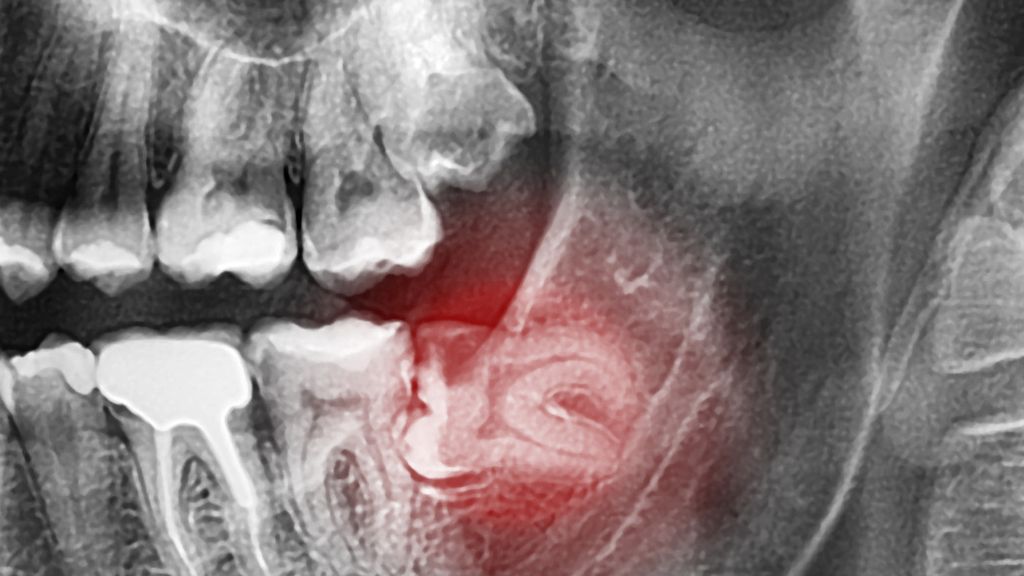
Impacted Wisdom Teeth: Signs You Should Not Ignore
Most people know wisdom teeth can be a problem. But not everyone knows what an impacted wisdom tooth actually feels like – or how serious it can become if left alone. If you have been noticing discomfort at the back of your mouth and wondering whether to bring it up at your next dental appointment, this article is worth reading before you wait any longer. What Does “Impacted” Actually Mean? A wisdom tooth becomes impacted when it cannot fully emerge through the gum line. This usually happens because there simply is not enough room in the jaw. The tooth gets stuck – sometimes partially, sometimes completely beneath the gum or bone. According to the American Association of Oral and Maxillofacial Surgeons, impacted wisdom teeth are extremely common. Many people have all four wisdom teeth impacted without realizing it until a dentist spots them on an X-ray or symptoms finally become hard to ignore. The tricky part is that impacted wisdom teeth do not always cause dramatic pain right away. Some stay silent for months before triggering a problem. Others cause steady, low-grade discomfort that people chalk up to stress or grinding. Either way, the underlying issue does not resolve on its own. Early Warning Signs of an Impacted Wisdom Tooth Pain or Pressure at the Back of Your Jaw This is the most commonly reported sign. The pain tends to feel like a dull ache near the back molars, though it can radiate toward the ear or down the jaw. Some people describe it as pressure – like something is pushing from inside. The discomfort may come and go, especially in the early stages. That inconsistency is part of why people delay getting it checked. But intermittent pain does not mean a minor problem. It often means the tooth is actively trying to shift or erupt and encountering resistance. Red, Swollen, or Bleeding Gums When a wisdom tooth partially breaks through the gum, it creates a small flap of tissue that is incredibly difficult to keep clean. Bacteria accumulate there easily, leading to inflammation, redness, and sometimes spontaneous bleeding when you brush or eat. This condition is called pericoronitis, and it is one of the more painful complications of partial eruption. If your gums at the back of your mouth look puffy or feel tender to the touch, that is worth taking seriously. Difficulty Opening Your Mouth or Chewing An impacted tooth that has triggered infection or significant inflammation can make it uncomfortable – or even difficult – to open your mouth fully. Chewing on that side may feel sharp or aggravating. This is not a symptom to push through. Swelling and infection in the jaw can escalate quickly, and limited jaw movement can be one of the earlier indicators that things are heading in a serious direction. Bad Breath or an Unpleasant Taste Persistent bad breath that does not improve with brushing and mouthwash is worth noting, especially when it comes alongside any of the other symptoms above. Bacteria trapped around an impacted or partially erupted tooth can produce a foul odor or a bitter taste in the mouth that seems to linger no matter what you do. This is not just an inconvenience. It is often a sign of active bacterial activity in a place that is very hard to clean on your own. Complications That Can Develop Over Time Cysts and Damage to Adjacent Teeth Impacted wisdom teeth can develop fluid-filled sacs called cysts around them. Over time, these cysts can grow and hollow out the surrounding jawbone, and they can put direct pressure on neighboring teeth – sometimes causing damage that requires additional treatment to correct. The second molar, which sits directly in front of the wisdom tooth, is particularly vulnerable. Root resorption (where the roots of healthy teeth begin to break down due to pressure) is a real risk when an impacted tooth is left in place long enough. Increased Cavity Risk Because partially erupted wisdom teeth are so difficult to clean around, both the wisdom tooth itself and the neighboring second molar are at significantly higher risk for decay. The bacteria that collect in that tight, hard-to-reach space do not discriminate – they will attack whatever surface they can access. This is one of the reasons oral surgeons and dentists often recommend removing impacted wisdom teeth even when they are not actively causing pain. Prevention is almost always easier than repair. Infection That Spreads In more serious cases, infection around an impacted tooth can spread into the surrounding tissue, the neck, or even the airway. While this level of complication is not common, it is not unheard of either – and it represents a genuine medical emergency when it does occur. Should You Wait and See? This is the most common question people ask, and it is a reasonable one. Not every impacted wisdom tooth needs immediate removal. But “wait and see” should be a decision made with a qualified oral surgeon reviewing your X-rays and clinical history – not a default response to hoping the discomfort fades. Younger patients tend to recover more quickly from wisdom tooth removal because the roots are not fully formed and the bone is less dense. Waiting until symptoms worsen often means waiting until the procedure and recovery become more complex. The honest answer is this: if you are noticing symptoms, a consultation is the appropriate next step. You will leave knowing exactly what is happening and what your options are. What the Removal Process Actually Looks Like Many patients assume wisdom tooth removal is more involved than it actually is. The procedure is performed under local anesthesia or IV sedation depending on the complexity and patient preference. At CTX Oral Surgery and Dental Implants, board-certified oral and maxillofacial surgeons perform these procedures with the kind of training that comes from hospital-based surgical experience, including advanced anesthesia techniques designed to keep patients comfortable. Recovery typically involves a few days of rest, some swelling, and manageable discomfort that

What to Eat (and Avoid) After Oral Surgery: A Week-by-Week Guide
Oral surgery recovery comes with a lot of questions, and food is usually at the top of the list. What can you actually eat? When can you stop living on applesauce? And what happens if you accidentally eat something you shouldn’t? The answers matter more than most people realize. What you eat in the days and weeks after oral surgery directly affects how well and how quickly you heal. The right foods support tissue repair, reduce inflammation, and protect the surgical site. The wrong ones can cause complications – including the dreaded dry socket – that set your recovery back significantly. Here’s a straightforward, week-by-week breakdown so you know exactly what to expect. The First 24 Hours: Protect the Clot Above Everything Else The first day after oral surgery is the most critical period for healing. A blood clot forms at the surgical site almost immediately after your procedure, and that clot is not optional – it’s the foundation of your entire recovery. Your only job right now is not to disturb it. That means soft, room-temperature foods with no chewing required. Think yogurt, pudding, applesauce, smoothies sipped with a spoon, and broth. Nothing crunchy, nothing chewy, and nothing hot. Heat can increase bleeding and interfere with clot formation. One rule that confuses a lot of people: avoid straws entirely during this phase. The suction created by sipping through a straw can dislodge the blood clot and lead to dry socket, a painful condition where the underlying bone and nerves become exposed. If you’re curious about the full timeline for when it’s safe to use one, the detailed breakdown of using a straw after wisdom teeth removal explains it clearly. Days 2 Through 4: Soft Foods, Zero Pressure By day two, any initial bleeding should have stopped, and swelling may actually peak before it begins to improve. You’ll likely be sore, and chewing may feel completely out of the question – that’s normal. Stick with foods that require no effort to eat. Scrambled eggs, mashed potatoes, soft tofu, blended soups, Greek yogurt, hummus, and ripe bananas are all solid choices. The goal is nutrition without any mechanical pressure on the healing site. What to Avoid in the First Few Days This is where patients most commonly make mistakes. Even if you feel okay, certain foods can cause real harm right now: The temptation to eat normally is real, especially if the anesthesia and medications made you hungrier than expected. Stay patient – it’s only a few days. Days 5 Through 7: Expanding Carefully By the end of the first week, most patients start feeling meaningfully better. Swelling decreases, discomfort becomes more manageable, and the surgical site begins to close. This is when you can start introducing slightly more texture, but carefully. Soft pasta, well-cooked rice, flaky fish, soft-cooked vegetables, and cottage cheese are all reasonable additions at this stage. The key is that everything should still break apart easily with minimal jaw pressure. Pay attention to how your mouth responds. If something causes pain or puts pressure on the healing site, back off and stick with softer options for another day or two. Every patient heals at a slightly different pace, and there’s no prize for rushing. Week Two: A Gradual Return to Normal Eating Most patients are cleared to start returning to a more normal diet sometime during the second week, though this varies based on the type of procedure, individual healing, and your surgeon’s specific guidance. Soft meats, slightly firmer vegetables, and foods with a bit more texture are generally appropriate now. Continue avoiding anything that requires aggressive chewing, and stay away from very hard foods – nuts, raw carrots, crusty bread – until you’ve been given a clear signal from your care team. One thing worth repeating at this stage: chew on the opposite side of your mouth from the surgical site whenever possible. It reduces the risk of accidentally aggravating tissue that’s still healing beneath the surface. Foods That Support Healing at Every Stage Nutrition actually plays an active role in how well your body recovers from surgery. According to the Academy of Nutrition and Dietetics, protein is essential for tissue repair, and vitamins like C and A help with wound healing and immune response. Within the constraints of a soft-food diet, focus on: Staying well-hydrated is especially important and often overlooked. Dehydration slows healing and can make pain feel worse than it needs to be. Signs You Should Call Your Surgeon Diet-related complications after oral surgery are usually avoidable, but they do happen. Knowing when something is wrong is just as important as knowing what to eat. Reach out to your surgeon if you notice any of the following: These aren’t always serious, but they’re worth a prompt call. The team at CTX Oral Surgery and Dental Implants in Georgetown and Temple can be reached directly at 512-737-3266 or 254-773-4444 if you have concerns during recovery. Frequently Asked Questions Can I drink coffee after oral surgery? Hot beverages should be avoided for at least the first 24 to 48 hours. After that, lukewarm coffee is generally fine – just avoid using a straw and steer clear of anything scalding hot until healing is well underway. Is ice cream actually good after oral surgery? Cold, soft foods like ice cream can help with swelling in the first day or two. However, very sugary options can promote bacterial growth near the surgical site, so they’re fine in moderation but not a staple. When can I eat solid food again? Most patients return to a mostly normal diet between 10 days and two weeks post-surgery, though this depends on the procedure and individual healing. Always defer to your surgeon’s specific instructions. Recovery Is Easier When You’re Prepared The foods you eat after oral surgery aren’t just about comfort – they’re part of the healing process itself. Planning ahead, keeping the right foods stocked, and knowing what to avoid can make the difference between a smooth recovery and
How Long Does Dental Implant Surgery Really Take?
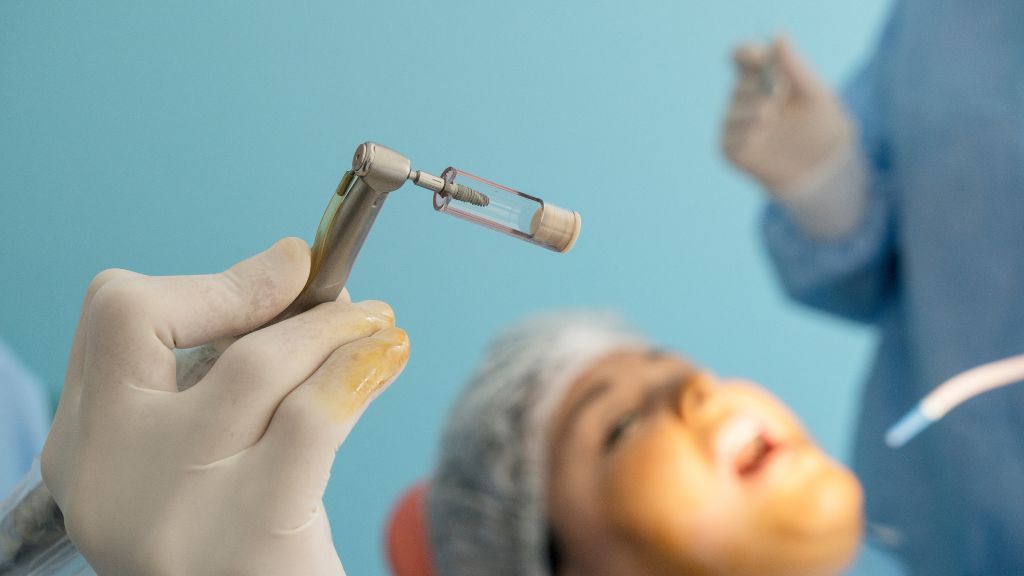
If you’ve been told you need a dental implant, one of the first questions you’re probably asking is: how long is this actually going to take? It’s a fair question, and the honest answer is that it depends on several factors specific to your situation. Let’s walk through what actually happens during the dental implant process – from the first consultation to the final crown placement – so you know exactly what to expect. The Short Answer: It Varies More Than You Might Think A single dental implant procedure itself typically takes between one and two hours in the surgical chair. But the full treatment timeline, from start to finish, can range from a few months to well over a year depending on your oral health, bone density, and whether additional procedures are needed. That said, knowing the individual stages helps you plan realistically and feel less overwhelmed. What Happens During the Initial Consultation Before any surgery is scheduled, your oral and maxillofacial surgeon will review your medical history, take imaging, and assess the condition of your jaw and surrounding teeth. This appointment is where the actual timeline starts to take shape. If you have existing tooth loss, gum disease, or reduced bone density in your mandible, additional steps may be required before the implant can be placed. A health professional will walk you through those options clearly. Stage One: The Implant Placement Surgery This is the main surgical procedure. A titanium post – which acts as an artificial tooth root – is placed directly into the jawbone beneath the gum line. The surgery itself usually takes one to two hours for a single implant. You will receive anesthesia beforehand, often IV sedation or general anesthesia, to keep you comfortable throughout. Board-certified surgeons trained in hospital-based anesthesia protocols handle this in a controlled, safe environment. After the procedure, it is normal to experience some edema (swelling), mild discomfort, and fatigue for several days. Your surgeon will provide clear medication instructions to manage these signs and symptoms during recovery. Stage Two: Osseointegration – The Waiting Period This is the stage that accounts for most of the overall timeline. After placement, the titanium implant must fuse with the surrounding bone in a process called osseointegration. This takes approximately three to six months, sometimes longer, depending on your bone health and healing rate. There is no shortcut here. Osseointegration is what makes the implant stable enough to support a prosthesis. Rushing it can compromise the entire dental restoration. What If You Need Bone Grafting First? Some patients do not have sufficient bone density in the jaw to support an implant right away. In these cases, bone grafting is performed before implant placement. This is a common and well-established procedure in oral surgery and periodontology. Bone grafting adds additional healing time – typically three to six months – before the implant can be placed. So if this step is needed, your overall timeline will be longer. The tradeoff is that the final result is far more stable and long-lasting. Stage Three: Abutment Placement and Crown Restoration Once osseointegration is confirmed, the next step is placing the abutment – a small connector that sits above the gum line and holds the final crown in place. This appointment is shorter and less involved than the initial surgery. After impressions are taken and the crown is fabricated, it is attached to the abutment. The crown is custom-made to match your surrounding teeth in shape and color. This final stage of dental restoration brings your smile back to full function. Full Timeline Summary Here is a general breakdown of how long each phase typically takes: For straightforward cases, the process takes around 5 to 8 months total. For patients requiring bone grafting or dental extraction beforehand, it can extend to 12 to 18 months or more. How All-On-4 Implants Affect the Timeline Patients dealing with significant tooth loss or those who currently wear dentures may be better candidates for All-On-4 dental implants. This approach supports an entire arch of teeth using just four strategically placed implants, and in many cases, a temporary prosthesis can be placed the same day as surgery. While osseointegration still occurs over several months, the All-On-4 method can meaningfully compress parts of the overall timeline. It is worth discussing with your surgeon if full-arch restoration is what you need. Why the Timeline Is Worth It Dental implants have a documented long-term success rate and are widely regarded, by institutions like Mayo Clinic and Cleveland Clinic, as the gold standard in tooth replacement. Unlike a bridge or dentures, implants preserve the integrity of your jawbone, support your surrounding teeth, and function like natural dental anatomy. Yes, the process takes time. But the outcome – a stable, lasting dental restoration that feels and looks natural – is built to last decades. What to Expect Before Your Dental Implant Surgery Understanding the dental implant timeline helps you go into treatment with realistic expectations and confidence. Every patient’s path is different, and a board-certified oral surgeon will build a plan tailored to your specific needs. If you are considering implants and want to know exactly what your timeline might look like, learn more about the dental implant process at CTX Oral Surgery and Dental Implants or call 512-737-3266 to schedule your consultation.
Bone Grafting Before Dental Implants: When Is It Needed?
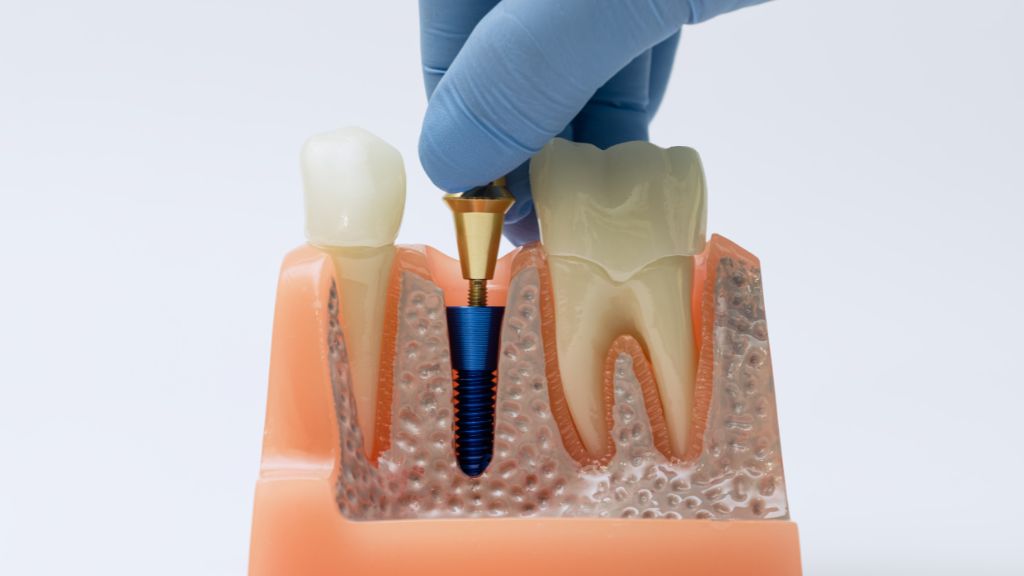
If you’ve been told you need a bone graft before getting dental implants, your first reaction might be confusion or even a little worry. You came in asking about implants, and now there’s another procedure on the table. What does that actually mean, and is it really necessary? The short answer: sometimes, yes. But understanding why makes the whole process a lot less intimidating. Why Bone Quality Matters for Dental Implants A dental implant works by anchoring directly into your jawbone, much like a natural tooth root. For that to work long-term, there needs to be enough bone in the right place to hold the implant stable and allow it to fuse properly over time. This process of fusion, called osseointegration, is what makes implants so durable compared to other tooth replacement options. But if the bone is too thin, too short, or has deteriorated significantly, there simply isn’t enough material for the implant to grip onto. That’s where bone grafting comes in. What Causes Bone Loss in the Jaw? Bone loss in the jaw is more common than most people realize, and it can happen for several different reasons. Other contributing factors include trauma to the jaw, infections that have spread to the bone, and in some cases, certain medical conditions or medications that affect bone density. Even wearing ill-fitting dentures for years can accelerate bone resorption beneath the gumline. What Is Bone Grafting, Exactly? Bone grafting is a surgical procedure that adds bone material to areas of the jaw where volume has been lost. The goal is to rebuild the foundation so that a dental implant can be placed successfully. The graft material itself can come from a few different sources. Autografts use bone taken from another part of your own body, often the chin or another area of the jaw. Allografts use donor bone from a tissue bank. Xenografts use processed bone from an animal source, typically bovine. Synthetic options also exist. Your surgeon will recommend the most appropriate type based on your specific anatomy and the amount of reconstruction needed. Once the graft is placed, it acts as a scaffold. Your body gradually replaces the graft material with your own natural bone over several months. By the time healing is complete, the area is structurally stronger and ready to support an implant. For a detailed overview of what this procedure involves, the Bone Grafting Procedures at CTX Oral Surgery and Dental Implants outlines what patients in Central Texas can expect. When Is a Bone Graft Definitively Needed? Not every implant patient needs a bone graft. Some people have adequate bone density and volume and can move straight to implant placement. Others fall somewhere in the middle, with enough bone to work with but perhaps needing minor augmentation. That said, there are situations where a graft is clearly necessary. If you had a tooth extracted years ago and never replaced it, the bone in that area has likely receded enough to require rebuilding before an implant is viable. If imaging reveals that the existing bone is too narrow to safely accept an implant without risking fracture or implant failure, augmentation is the responsible path forward. Patients with significant bone loss from gum disease often need grafting as part of a more comprehensive treatment plan. Similarly, if you’ve experienced a traumatic injury to the jaw that resulted in bone loss, reconstruction is typically required before implant placement can begin. In the upper back portion of the jaw, near the sinus cavities, there’s often limited bone depth naturally. In these cases, a specific procedure called a sinus lift, a type of bone graft, is commonly performed to create enough vertical space for implants in that region. Socket Preservation: Preventing Bone Loss Before It Starts One thing worth knowing: if you’re having a tooth extracted and already know you want an implant in the future, there’s a smart way to get ahead of bone loss before it becomes a problem. Socket preservation is a procedure where graft material is placed into the empty tooth socket immediately after extraction. This helps maintain the shape and volume of the bone while healing occurs, rather than allowing it to shrink naturally over the months that follow. It’s a much simpler intervention than rebuilding bone that has already been lost, and it can make the path to implants significantly smoother. If your extraction is coming up and implants are part of your plan, this is worth asking your surgeon about at the same appointment. How Long Does Bone Grafting Add to the Treatment Timeline? This is one of the most common questions patients have, and it’s a fair one. Bone grafting does extend the overall treatment timeline, but the added time is necessary for a good outcome. Most patients need to allow three to six months for the grafted area to heal and mature before implant placement. The exact timeframe depends on the size of the graft, the location in the jaw, and how your body responds individually. Minor grafts may heal faster; larger reconstructions may take closer to six months or more. According to research published by the National Institutes of Health, successful osseointegration of dental implants is closely tied to the quality and quantity of surrounding bone, reinforcing why adequate preparation matters more than rushing toward placement. The wait can feel frustrating, especially when you’re eager to move forward. But placing an implant into bone that isn’t ready significantly increases the risk of implant failure, which means starting over entirely. Patience during the healing phase protects your investment in the long run. What to Expect During Recovery from a Bone Graft Recovery from bone grafting is generally manageable for most patients. Swelling, mild discomfort, and some sensitivity in the days following the procedure are normal and expected. Most people are back to their regular routines within a week or two, though the internal healing process continues over the following months. Your surgeon will provide specific post-operative instructions, which typically include dietary