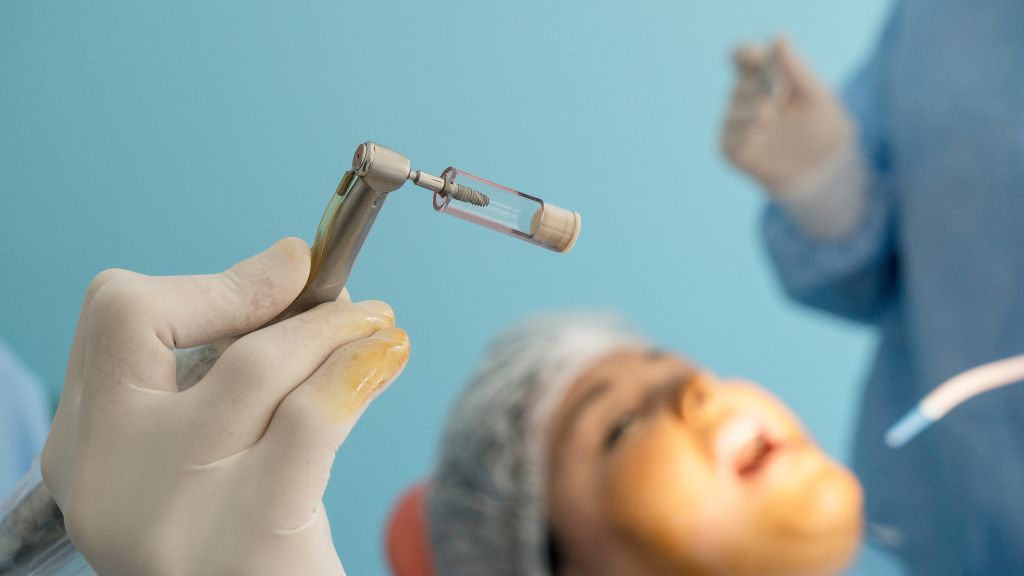
If you’ve been told you need a bone graft before getting dental implants, your first reaction might be confusion or even a little worry. You came in asking about implants, and now there’s another procedure on the table. What does that actually mean, and is it really necessary?
The short answer: sometimes, yes. But understanding why makes the whole process a lot less intimidating.
Why Bone Quality Matters for Dental Implants
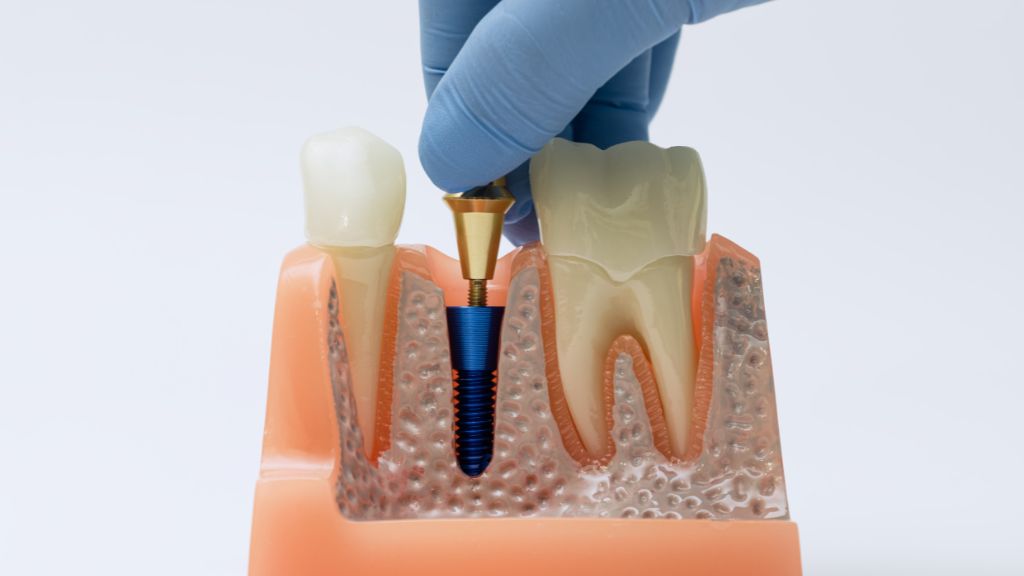
A dental implant works by anchoring directly into your jawbone, much like a natural tooth root. For that to work long-term, there needs to be enough bone in the right place to hold the implant stable and allow it to fuse properly over time.
This process of fusion, called osseointegration, is what makes implants so durable compared to other tooth replacement options. But if the bone is too thin, too short, or has deteriorated significantly, there simply isn’t enough material for the implant to grip onto. That’s where bone grafting comes in.
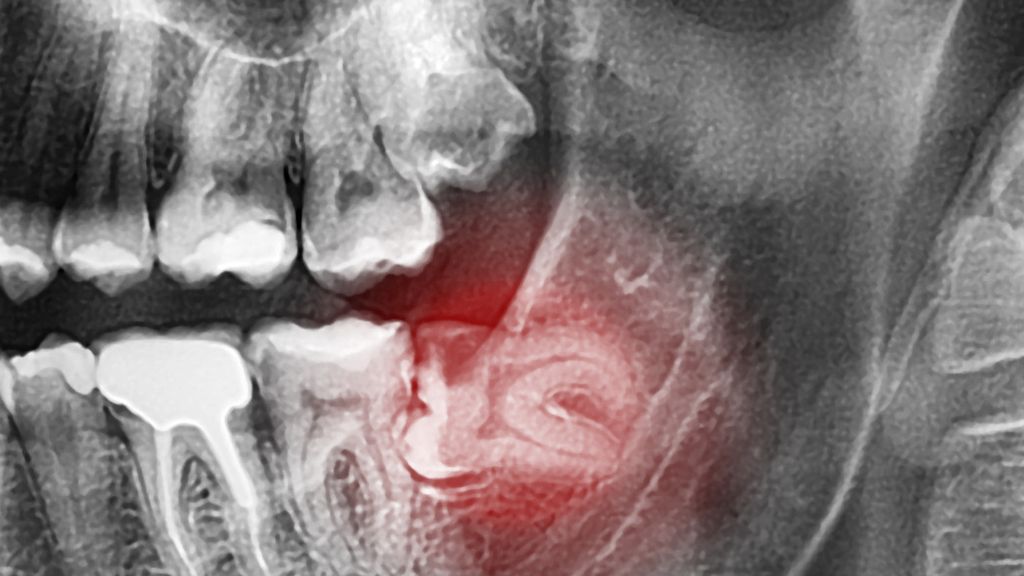
What Causes Bone Loss in the Jaw?
Bone loss in the jaw is more common than most people realize, and it can happen for several different reasons.
- Tooth loss is the most frequent cause. When a natural tooth is removed or falls out, the bone that once supported it begins to shrink over time. This process starts within the first few months after extraction and continues gradually if the tooth isn’t replaced. The longer the gap goes unfilled, the more bone volume is lost.
- Gum disease is another significant contributor. Advanced periodontitis doesn’t just damage soft tissue – it erodes the bone supporting your teeth. Patients who have dealt with long-term gum disease often have notable bone loss even before any teeth are removed.
Other contributing factors include trauma to the jaw, infections that have spread to the bone, and in some cases, certain medical conditions or medications that affect bone density. Even wearing ill-fitting dentures for years can accelerate bone resorption beneath the gumline.
What Is Bone Grafting, Exactly?
Bone grafting is a surgical procedure that adds bone material to areas of the jaw where volume has been lost. The goal is to rebuild the foundation so that a dental implant can be placed successfully.
The graft material itself can come from a few different sources. Autografts use bone taken from another part of your own body, often the chin or another area of the jaw. Allografts use donor bone from a tissue bank. Xenografts use processed bone from an animal source, typically bovine. Synthetic options also exist. Your surgeon will recommend the most appropriate type based on your specific anatomy and the amount of reconstruction needed.
Once the graft is placed, it acts as a scaffold. Your body gradually replaces the graft material with your own natural bone over several months. By the time healing is complete, the area is structurally stronger and ready to support an implant.
For a detailed overview of what this procedure involves, the Bone Grafting Procedures at CTX Oral Surgery and Dental Implants outlines what patients in Central Texas can expect.
When Is a Bone Graft Definitively Needed?
Not every implant patient needs a bone graft. Some people have adequate bone density and volume and can move straight to implant placement. Others fall somewhere in the middle, with enough bone to work with but perhaps needing minor augmentation.
That said, there are situations where a graft is clearly necessary.
If you had a tooth extracted years ago and never replaced it, the bone in that area has likely receded enough to require rebuilding before an implant is viable. If imaging reveals that the existing bone is too narrow to safely accept an implant without risking fracture or implant failure, augmentation is the responsible path forward.
Patients with significant bone loss from gum disease often need grafting as part of a more comprehensive treatment plan. Similarly, if you’ve experienced a traumatic injury to the jaw that resulted in bone loss, reconstruction is typically required before implant placement can begin.
In the upper back portion of the jaw, near the sinus cavities, there’s often limited bone depth naturally. In these cases, a specific procedure called a sinus lift, a type of bone graft, is commonly performed to create enough vertical space for implants in that region.
Socket Preservation: Preventing Bone Loss Before It Starts
One thing worth knowing: if you’re having a tooth extracted and already know you want an implant in the future, there’s a smart way to get ahead of bone loss before it becomes a problem.
Socket preservation is a procedure where graft material is placed into the empty tooth socket immediately after extraction. This helps maintain the shape and volume of the bone while healing occurs, rather than allowing it to shrink naturally over the months that follow.
It’s a much simpler intervention than rebuilding bone that has already been lost, and it can make the path to implants significantly smoother. If your extraction is coming up and implants are part of your plan, this is worth asking your surgeon about at the same appointment.
How Long Does Bone Grafting Add to the Treatment Timeline?
This is one of the most common questions patients have, and it’s a fair one. Bone grafting does extend the overall treatment timeline, but the added time is necessary for a good outcome.
Most patients need to allow three to six months for the grafted area to heal and mature before implant placement. The exact timeframe depends on the size of the graft, the location in the jaw, and how your body responds individually. Minor grafts may heal faster; larger reconstructions may take closer to six months or more.
According to research published by the National Institutes of Health, successful osseointegration of dental implants is closely tied to the quality and quantity of surrounding bone, reinforcing why adequate preparation matters more than rushing toward placement.
The wait can feel frustrating, especially when you’re eager to move forward. But placing an implant into bone that isn’t ready significantly increases the risk of implant failure, which means starting over entirely. Patience during the healing phase protects your investment in the long run.
What to Expect During Recovery from a Bone Graft
Recovery from bone grafting is generally manageable for most patients. Swelling, mild discomfort, and some sensitivity in the days following the procedure are normal and expected. Most people are back to their regular routines within a week or two, though the internal healing process continues over the following months.
Your surgeon will provide specific post-operative instructions, which typically include dietary guidelines, activity restrictions, and guidance on oral hygiene during healing. Following these instructions carefully makes a real difference in outcomes.
Getting the Right Evaluation in Central Texas
If you’ve been told you may need a bone graft, or if you’re just starting to explore dental implants and aren’t sure what your jawbone looks like, the right starting point is a thorough consultation with an oral and maxillofacial surgeon.
At CTX Oral Surgery and Dental Implants, the surgical team uses advanced imaging to assess your bone structure accurately and develop a plan that makes sense for your specific situation, not a one-size-fits-all approach. Whether you need a minor graft or more substantial reconstruction, understanding what’s ahead helps you make informed decisions about your care.
When Bone Grafting Makes Dental Implants Possible
Bone grafting isn’t a detour or a complication – it’s often a necessary step toward getting an implant that will actually last. When done properly and given adequate time to heal, it sets the foundation for a successful, long-term result.
If you’re ready to understand your options and find out whether a bone graft is part of your path forward, explore our Dental Implant Solutions to learn more about the full process – or call CTX Oral Surgery and Dental Implants at 512-737-3266 (Georgetown) or 254-773-4444 (Temple) to schedule your consultation.