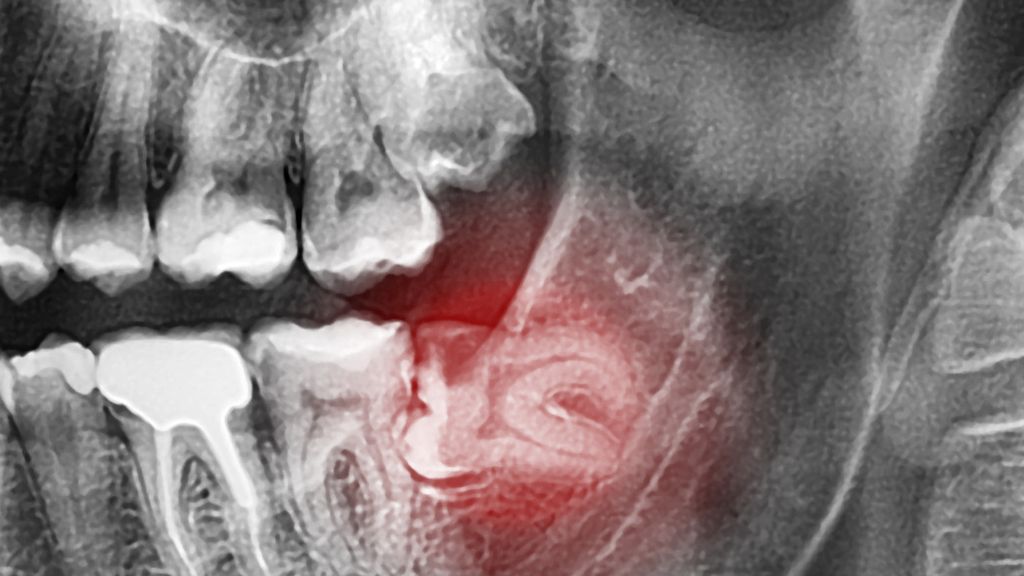
Oral surgery recovery comes with a lot of questions, and food is usually at the top of the list. What can you actually eat? When can you stop living on applesauce? And what happens if you accidentally eat something you shouldn’t?
The answers matter more than most people realize. What you eat in the days and weeks after oral surgery directly affects how well and how quickly you heal. The right foods support tissue repair, reduce inflammation, and protect the surgical site. The wrong ones can cause complications – including the dreaded dry socket – that set your recovery back significantly.
Here’s a straightforward, week-by-week breakdown so you know exactly what to expect.
The First 24 Hours: Protect the Clot Above Everything Else
The first day after oral surgery is the most critical period for healing. A blood clot forms at the surgical site almost immediately after your procedure, and that clot is not optional – it’s the foundation of your entire recovery.
Your only job right now is not to disturb it.
That means soft, room-temperature foods with no chewing required. Think yogurt, pudding, applesauce, smoothies sipped with a spoon, and broth. Nothing crunchy, nothing chewy, and nothing hot. Heat can increase bleeding and interfere with clot formation.
One rule that confuses a lot of people: avoid straws entirely during this phase. The suction created by sipping through a straw can dislodge the blood clot and lead to dry socket, a painful condition where the underlying bone and nerves become exposed. If you’re curious about the full timeline for when it’s safe to use one, the detailed breakdown of using a straw after wisdom teeth removal explains it clearly.
Days 2 Through 4: Soft Foods, Zero Pressure
By day two, any initial bleeding should have stopped, and swelling may actually peak before it begins to improve. You’ll likely be sore, and chewing may feel completely out of the question – that’s normal.
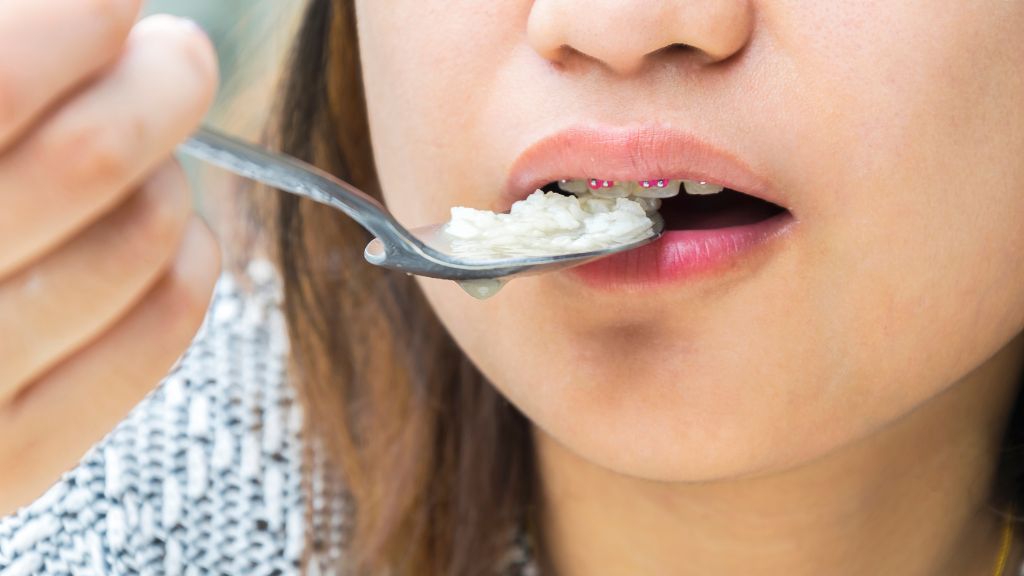
Stick with foods that require no effort to eat. Scrambled eggs, mashed potatoes, soft tofu, blended soups, Greek yogurt, hummus, and ripe bananas are all solid choices. The goal is nutrition without any mechanical pressure on the healing site.
What to Avoid in the First Few Days
This is where patients most commonly make mistakes. Even if you feel okay, certain foods can cause real harm right now:
- Hard or crunchy foods like chips, crackers, or raw vegetables can crack open the clot or irritate the tissue
- Spicy foods increase inflammation and can cause intense discomfort at the surgical site
- Alcohol interferes with healing and can interact badly with any prescription pain medication
- Carbonated beverages create bubbles and pressure in the mouth that can disrupt healing
- Chewy foods like gum, tough bread, or meat require jaw movement that strains the surgical area
The temptation to eat normally is real, especially if the anesthesia and medications made you hungrier than expected. Stay patient – it’s only a few days.
Days 5 Through 7: Expanding Carefully
By the end of the first week, most patients start feeling meaningfully better. Swelling decreases, discomfort becomes more manageable, and the surgical site begins to close.
This is when you can start introducing slightly more texture, but carefully. Soft pasta, well-cooked rice, flaky fish, soft-cooked vegetables, and cottage cheese are all reasonable additions at this stage. The key is that everything should still break apart easily with minimal jaw pressure.
Pay attention to how your mouth responds. If something causes pain or puts pressure on the healing site, back off and stick with softer options for another day or two. Every patient heals at a slightly different pace, and there’s no prize for rushing.
Week Two: A Gradual Return to Normal Eating
Most patients are cleared to start returning to a more normal diet sometime during the second week, though this varies based on the type of procedure, individual healing, and your surgeon’s specific guidance.
Soft meats, slightly firmer vegetables, and foods with a bit more texture are generally appropriate now. Continue avoiding anything that requires aggressive chewing, and stay away from very hard foods – nuts, raw carrots, crusty bread – until you’ve been given a clear signal from your care team.
One thing worth repeating at this stage: chew on the opposite side of your mouth from the surgical site whenever possible. It reduces the risk of accidentally aggravating tissue that’s still healing beneath the surface.
Foods That Support Healing at Every Stage
Nutrition actually plays an active role in how well your body recovers from surgery. According to the Academy of Nutrition and Dietetics, protein is essential for tissue repair, and vitamins like C and A help with wound healing and immune response.
Within the constraints of a soft-food diet, focus on:
- Protein sources: eggs, Greek yogurt, soft tofu, protein shakes (no straw), nut butter
- Vitamin C: mashed sweet potato, blended smoothies with berries, soft-cooked squash
- Hydration: water, herbal teas (cooled to room temperature), broth
Staying well-hydrated is especially important and often overlooked. Dehydration slows healing and can make pain feel worse than it needs to be.
Signs You Should Call Your Surgeon
Diet-related complications after oral surgery are usually avoidable, but they do happen. Knowing when something is wrong is just as important as knowing what to eat.
Reach out to your surgeon if you notice any of the following:
- Severe pain that returns or worsens after initially improving (this can be a sign of dry socket)
- Swelling that increases rather than decreasing after the first 48 to 72 hours
- Bleeding that doesn’t stop with gentle pressure
- Fever, bad taste, or unusual discharge from the surgical site
- Difficulty opening your mouth that gets worse over time
These aren’t always serious, but they’re worth a prompt call. The team at CTX Oral Surgery and Dental Implants in Georgetown and Temple can be reached directly at 512-737-3266 or 254-773-4444 if you have concerns during recovery.
Frequently Asked Questions
Can I drink coffee after oral surgery?
Hot beverages should be avoided for at least the first 24 to 48 hours. After that, lukewarm coffee is generally fine – just avoid using a straw and steer clear of anything scalding hot until healing is well underway.
Is ice cream actually good after oral surgery?
Cold, soft foods like ice cream can help with swelling in the first day or two. However, very sugary options can promote bacterial growth near the surgical site, so they’re fine in moderation but not a staple.
When can I eat solid food again?
Most patients return to a mostly normal diet between 10 days and two weeks post-surgery, though this depends on the procedure and individual healing. Always defer to your surgeon’s specific instructions.
Recovery Is Easier When You’re Prepared
The foods you eat after oral surgery aren’t just about comfort – they’re part of the healing process itself. Planning ahead, keeping the right foods stocked, and knowing what to avoid can make the difference between a smooth recovery and an unnecessary complication.
If you’ve recently had or are preparing for a procedure, reviewing the detailed post-operative care for wisdom teeth is a great next step to make sure you’re fully ready for every stage of recovery.