Dental implants are one of the best decisions you can make for your oral health. They look natural, function like real teeth, and with proper care, they can last a lifetime. But here is the part people do not always hear upfront: your long-term results depend heavily on what happens after the procedure.
The surgery itself is only half the equation. Aftercare is the other half, and it deserves just as much attention.
Why Aftercare Matters More Than Most People Expect
It is easy to assume that once the implant is placed and healed, you are done. In reality, the months and years following surgery are when the implant either becomes a permanent, trouble-free solution or begins to face complications that could have been avoided.
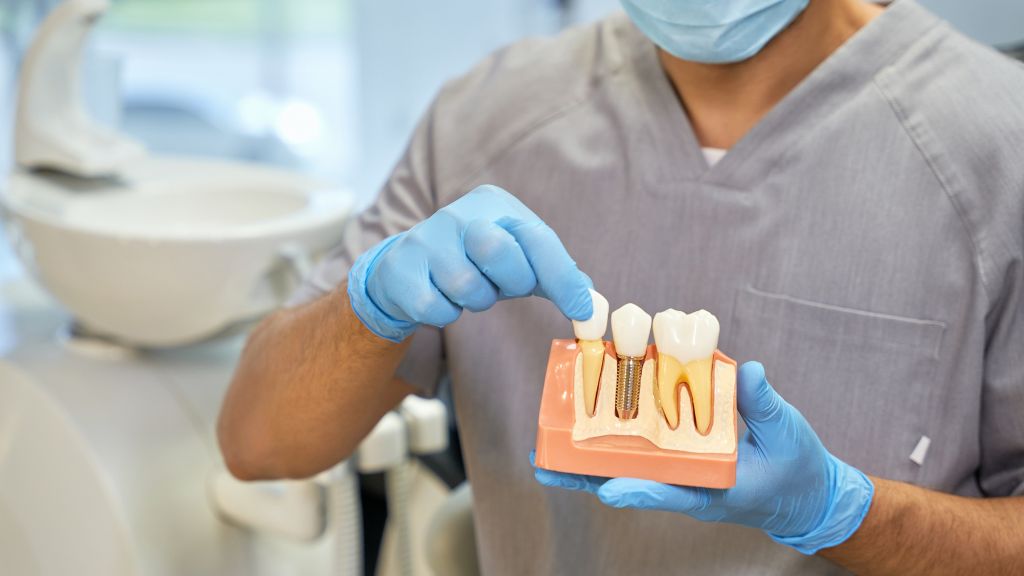
Implants integrate with your jawbone through a process called osseointegration. This process takes time, and during that window, what you eat, how you clean your mouth, and how often you see your dentist all play a direct role in whether the implant bonds successfully.
Even after full healing, implants require consistent maintenance. The good news is that it is not complicated. It just has to be consistent.
The First Few Weeks: Setting the Foundation
What to Expect Right After Surgery
Swelling, mild discomfort, and some bleeding in the first 24 to 48 hours are completely normal. Your surgical team will send you home with specific instructions, and following them closely during this initial phase is critical.
Avoid hard or crunchy foods. Stick to soft options like yogurt, mashed potatoes, scrambled eggs, and smoothies. Do not use a straw, as the suction can disrupt the surgical site. Keep your head elevated when resting, and do not smoke.
Oral Hygiene in the Early Healing Phase
You still need to keep your mouth clean, but gently. Rinse with warm salt water a few times a day, but avoid vigorous swishing. Brush your other teeth as normal, but stay away from the implant site until your surgeon gives you the green light.
This early period is when most complications, like infection or implant failure, are most likely to begin. Skipping care steps because the area feels tender is one of the most common mistakes patients make. Gentle but consistent hygiene is the goal.
Long-Term Implant Care: Building Habits That Last
Daily Oral Hygiene for Implants
Once you have healed, your daily routine should look very similar to how you would care for natural teeth, but with a few important differences.
Brushing twice a day is non-negotiable. Use a soft-bristled toothbrush and non-abrasive toothpaste. Hard bristles and gritty toothpaste can scratch the surface of the implant crown over time, which can make it more susceptible to plaque buildup.
Flossing around implants is equally important, but it requires a bit more attention than standard flossing. Regular floss can work, but many patients find that water flossers or implant-specific floss make it easier to clean around the implant post and under the crown. Bacteria that accumulate in that space can lead to a condition called peri-implantitis, which is essentially gum disease around the implant. Left untreated, it can eventually cause the implant to fail.
Protecting Your Implants from Physical Damage
Implants are strong, but they are not indestructible. Chewing on ice, biting your nails, or using your teeth to open packaging are habits that can damage both natural teeth and implant crowns.
If you grind your teeth at night, this is a conversation you need to have with your dental provider. Bruxism, or chronic grinding, puts significant stress on implants and can lead to crown fractures or loosening of the implant over time. A custom nightguard is a simple solution that protects your investment while you sleep.
For patients who play contact sports, a mouthguard is equally important. One impact to the face can damage a crown or, in more serious cases, affect the implant itself.
Professional Maintenance: Do Not Skip Your Check-Ups
Why Regular Dental Visits Are Essential for Implant Longevity
One of the biggest mistakes people make after getting implants is assuming that because implants cannot get cavities, they do not need professional attention. That logic is understandable but incomplete.
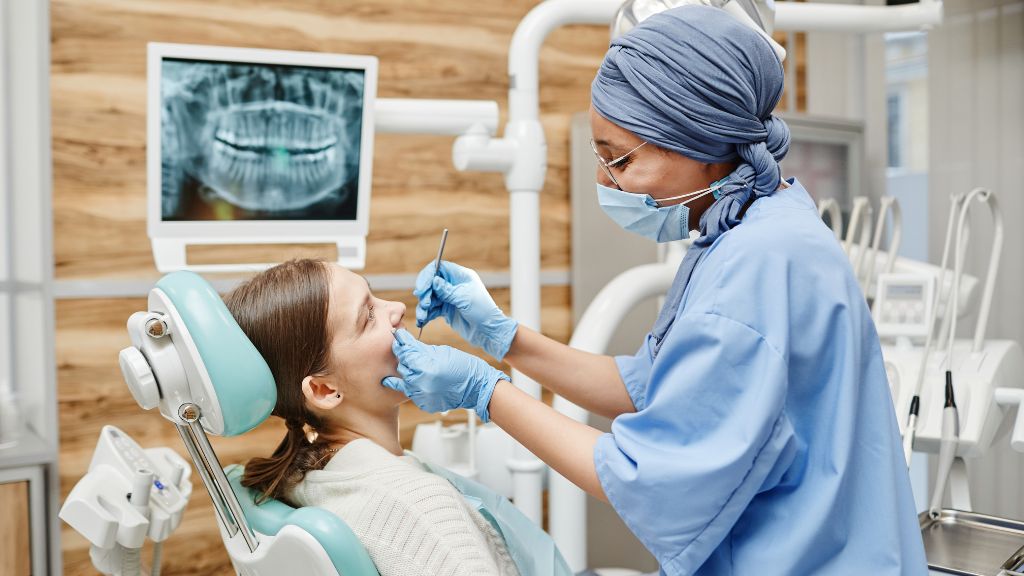
Your gums and the bone surrounding the implant still need to be monitored. Peri-implantitis can develop silently, without much pain, until it has already caused significant bone loss. Regular cleanings and X-rays allow your provider to catch early signs of inflammation or bone changes before they become serious problems.
According to the American Academy of Osseointegration, routine professional maintenance is one of the primary factors in long-term implant success. Most providers recommend check-ups every six months, though some patients with a history of gum disease may need more frequent visits.
For a closer look at what the recovery process involves and how to set your implant up for success from the very beginning, the post-implant care tips from CTX Oral Surgery cover the key details you should know.
Professional Cleaning Around Implants
Not every dental hygienist is equally experienced with implant care, so it is worth letting your provider know upfront that you have implants. Certain metal instruments can scratch the implant surface, which is why many practices use plastic or resin-tipped tools for cleaning around them. This small detail makes a real difference over time.
Lifestyle Factors That Affect Implant Health
Smoking and Implant Failure Risk
Smoking is one of the most significant risk factors for implant failure, both during the healing phase and over the long term. It restricts blood flow to the gums and bone, which impairs healing and increases the risk of infection. Research consistently shows that smokers have higher implant failure rates than non-smokers.
If you smoke and are considering implants, this is worth a candid conversation with your surgeon before the procedure. And if you already have implants, quitting remains one of the most impactful things you can do for their longevity.
Diet and Bone Health
Your implant is anchored in bone. That means bone density directly affects how stable and lasting the implant will be. Adequate calcium and vitamin D intake support bone health over time. For most adults, this means eating a balanced diet with dairy, leafy greens, and fortified foods, along with reasonable sun exposure or supplementation.
Chronic alcohol use, certain medications like long-term steroids, and conditions like osteoporosis can all affect bone density and implant stability. If any of these apply to you, make sure your oral surgeon knows so they can tailor their recommendations accordingly.
Protecting Your Dental Implants for the Long Term
How long does it take for a dental implant to fully heal?
The implant post typically integrates with the bone over three to six months. The full restoration process, including placement of the permanent crown, may take longer depending on your individual case.
Can a dental implant fall out years after placement?
It is uncommon, but it can happen if peri-implantitis, bone loss, or physical trauma go unaddressed. Regular monitoring and good daily hygiene significantly reduce this risk.
Is it normal for an implant to feel different from a natural tooth?
You may notice a slightly different sensation when biting, especially early on. However, any persistent pain, movement, or pressure sensitivity should be reported to your provider promptly.
Conclusion
Getting a dental implant is a meaningful investment in your health, your confidence, and your quality of life. Protecting that investment does not require anything extraordinary, but it does require consistency. Daily cleaning, smart habits, and regular professional care add up to decades of reliable function.
If you have questions about what your recovery should look like or want to speak with a team that genuinely takes the time to guide you through the process, call CTX Oral Surgery and Dental Implants at 512-737-3266 or 254-773-4444. The team in Georgetown and Temple, TX, is ready to help you get it right from day one.