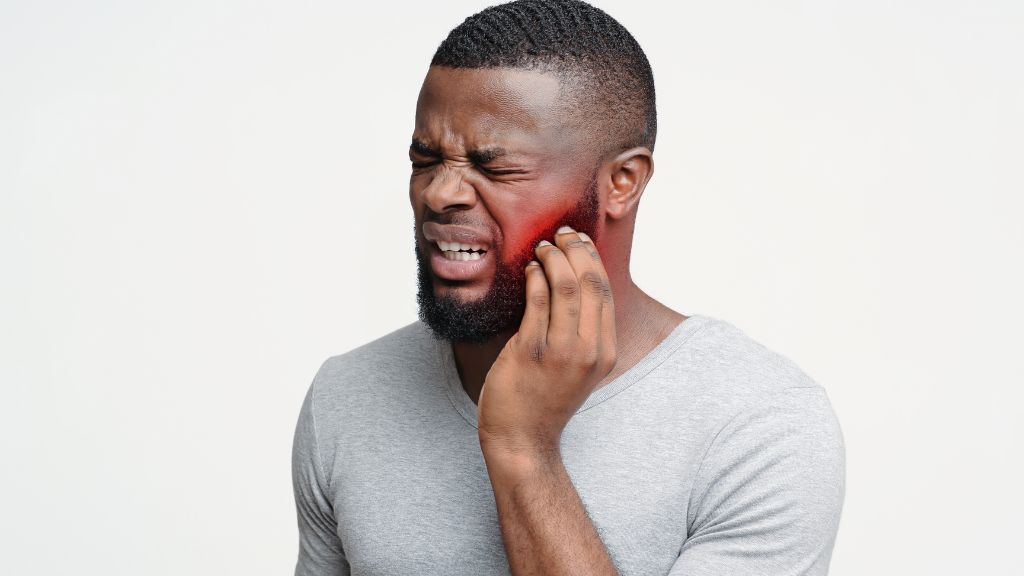
You woke up with a pounding headache again. You have taken analgesics, drunk water, and tried to rest, but the pain keeps coming back. What if your head is not actually the problem? What if the real source is hiding in the back of your mouth?
It sounds surprising, but headaches caused by wisdom teeth pressure are more common than most people realize. If your wisdom teeth are coming in or have become impacted, the resulting pressure, inflammation, and nerve involvement can ripple outward in ways that genuinely affect your head, jaw, and even your ears.
How Wisdom Teeth Can Trigger Headaches
Your mouth is a remarkably interconnected system. The nerves, muscles, and bones of your jaw do not operate in isolation. When a wisdom tooth begins pushing through the gums or pressing against neighboring molars, that pressure travels.
The trigeminal nerve is the primary nerve responsible for sensation across your face, jaw, and parts of your head. When an impacted wisdom tooth creates inflammation or puts mechanical pressure on surrounding tissue, that nerve can carry pain signals far beyond the original source. This is called referred pain, and it explains why a problem in your lower jaw can show up as a headache or ear pain.
The Role of Impacted Wisdom Teeth
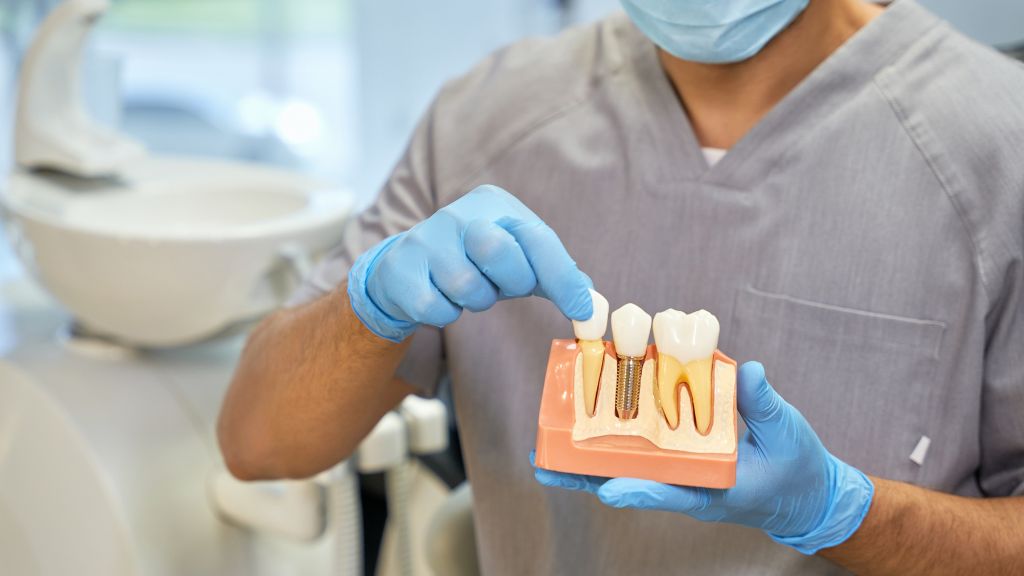
Not every wisdom tooth causes problems, but impacted wisdom teeth are a different story. When a tooth lacks enough room to fully erupt, it may grow at an angle, push against the adjacent molar, or remain partially trapped beneath the gums.
This situation creates a persistent source of pressure and inflammation. The surrounding gum tissue becomes irritated, and in some cases, infection develops. Edema in the local tissue can increase pressure further, aggravating the surrounding nerves and muscles and contributing to a cycle of pain that extends into the head and neck.
Jaw Muscle Tension and Headache Pain
Here is something that often gets overlooked. When your mouth hurts, your body compensates. You may clench your jaw differently, favor one side while chewing, or hold tension in your mandible without even realizing it.
That altered muscle tone puts stress on the muscles connecting your jaw to your skull. Over time, this contributes to tension-type headaches, and in some patients, it can aggravate symptoms that resemble migraine-associated vertigo or classic migraine patterns. The jaw and head share more muscular and neurological territory than most people expect.
Signs Your Headache Might Be Wisdom Tooth Related
If you are wondering whether your headaches have a dental origin, the signs and symptoms to watch for include more than just head pain. Wisdom tooth headaches typically arrive with other clues.
You might notice a dull ache near your temples or the back of your jaw that seems to worsen when you open your mouth wide. Ear pain that has no clear ear-related cause is another common symptom, since the temporomandibular joint sits very close to the ear canal and can be affected by wisdom tooth pressure. A persistent toothache in the back of the mouth, even without visible decay, is also a meaningful signal.
Other signs worth noting include:
- Swollen or tender gums around the last molar
- Difficulty opening your mouth fully
- Jaw stiffness, especially in the morning after sleep
- Recurring headaches that do not respond well to standard analgesics
- Swelling along the side of the face or jaw
If you are experiencing several of these at the same time, the combination paints a clearer picture. This is not a coincidence.
When Infection Enters the Picture
A partially erupted wisdom tooth creates a small flap of gum tissue that is nearly impossible to keep clean. Bacteria accumulate easily in that space, leading to a condition called pericoronitis, which is a form of localized gingivitis and soft tissue infection around the tooth.
When infection sets in, inflammation increases and so does pain. That infection can spread along the jawline and toward surrounding structures if left untreated. The resulting pressure, swelling, and systemic response from your immune system can intensify headaches and make you feel generally unwell.
In more serious cases, cyst formation around an impacted wisdom tooth can develop. A cyst puts direct pressure on bone and nerves, and this kind of pressure is not something analgesics alone can address. This is where oral and maxillofacial surgery becomes the appropriate next step rather than a last resort.
What an X-Ray Can Reveal
You cannot always see what is happening with wisdom teeth just by looking in a mirror. A dental X-ray gives the dentist or surgeon a view beneath the surface, showing the position of the tooth, the angle of eruption, proximity to neighboring teeth, and any signs of cyst development or bone involvement.
Many patients are surprised by what X-rays reveal. A tooth that feels only mildly uncomfortable on the surface can be significantly impacted below the gumline. Understanding what is actually happening structurally is the first step toward making a confident treatment decision.
The Connection to TMJ and Broader Jaw Health
It is worth mentioning that wisdom tooth pressure does not only affect the tooth itself. The temporomandibular joint, which hinges the jaw to the skull, can be stressed by the muscular and positional changes that come with wisdom tooth eruption. Research and clinical sources, including the Cleveland Clinic, recognize TMJ involvement as a legitimate contributor to headaches in some patients.
When a patient experiences overlapping symptoms of jaw pain, ear pain, headache, and limited mouth opening, the relationship between the wisdom tooth and the temporomandibular joint deserves attention. A qualified oral and maxillofacial surgeon can assess both issues and determine the most effective path forward.
Why Waiting Is Not Always a Safe Choice
Some patients assume that if a wisdom tooth is not causing unbearable pain, it can simply be watched. That is sometimes true, but it depends heavily on the tooth’s position and the health of surrounding tissue.
A wisdom tooth that is quietly pressing against a neighboring molar can cause root damage over time. One that is partially erupted invites chronic low-grade infection and gingivitis. The longer these conditions persist, the more complex the eventual dental extraction may become.
Acting based on a clear diagnosis rather than waiting for symptoms to worsen is generally better for the patient’s long-term oral health and overall comfort.
Getting the Right Care for Wisdom Tooth Headaches
If you suspect your headaches are connected to wisdom tooth pressure, the most useful thing you can do is get a proper evaluation from someone trained in oral and maxillofacial surgery. A general dentist can often identify early signs, but for impacted teeth, cysts, or complex removal cases, a board-certified oral and maxillofacial surgeon is the right provider.
At CTX Oral Surgery and Dental Implants, patients receive thorough consultations that include imaging and a clear explanation of findings. The team works with patients as individuals, making sure they understand what is happening and what options are available before any decisions are made. Anesthesia options, including IV anesthesia, are available to help patients feel comfortable throughout the procedure.
If wisdom tooth removal turns out to be the right recommendation, the practice handles wisdom teeth removal with the surgical precision and patient-centered care that complex cases require.
Frequently Asked Questions
Can wisdom teeth really cause headaches, or is that a myth?
It is not a myth. Wisdom teeth, especially impacted ones, can cause referred pain through the trigeminal nerve, muscular tension in the jaw, and inflammation that collectively contribute to headaches. Dentists and oral surgeons see this pattern regularly.
How do I know if my headache is dental or something else?
The presence of accompanying jaw pain, ear pain, gum swelling, or toothache near the back molars is a strong indicator. A dental X-ray can help confirm or rule out wisdom tooth involvement.
Does removing the wisdom tooth always fix the headaches?
In many cases, yes. Once the source of pressure and inflammation is removed, the referring pain pattern resolves. However, if TMJ involvement or other factors are present, those may require separate evaluation.
Is wisdom tooth removal painful?
Modern oral and maxillofacial surgery is performed with effective anesthesia, including IV sedation options, so the procedure itself is not painful. Post-operative discomfort is manageable and typically resolves within a few days.
When Wisdom Teeth Headaches Need a Dental Evaluation
Headaches linked to wisdom teeth are real, and they deserve a real answer rather than another round of analgesics. If recurring head pain, jaw tension, or ear discomfort has been following you without explanation, your wisdom teeth may be worth investigating.
A proper evaluation with imaging is the most direct way to get clarity. To learn more about what removal involves and whether it is the right step for you, explore the wisdom teeth removal page or call CTX Oral Surgery and Dental Implants at 512-737-3266 or 254-773-4444 to schedule a consultation.