If you have been told you need a bone graft before getting dental implants, it is completely normal to feel a little overwhelmed. Most patients hear the words “bone grafting” and immediately wonder what recovery actually looks like. How long will it take? What will hurt? When can you go back to normal?
The good news is that healing follows a fairly predictable pattern. Understanding each stage week by week can help you feel less anxious and more prepared for what is ahead.
What Is a Dental Bone Graft and Why Does It Matter?
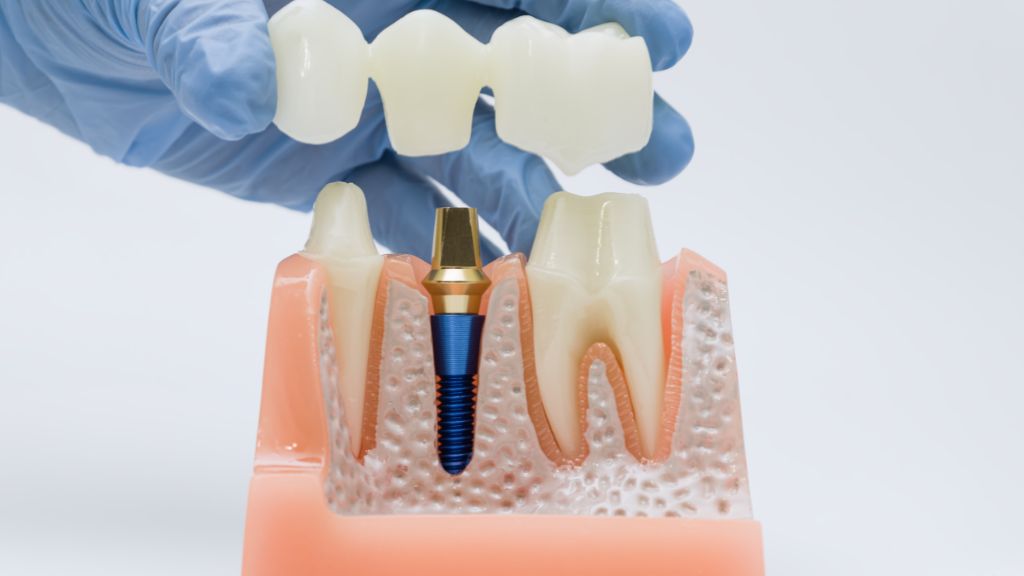
A dental bone graft is a surgical procedure that adds bone material to an area of the jaw where bone density has been lost. Tooth loss, periodontal disease, dental extraction, injury, or conditions like osteoporosis can all cause the jawbone to shrink over time. When there is not enough bone to support a dental implant, a graft is needed to rebuild that foundation.
The graft material can come from your own body (an autogenous bone graft), from donor tissue, or from synthetic materials like hydroxyapatite. Regardless of the source, the goal is the same: encourage your body’s own cells to grow new bone through a process called ossification.
In oral and maxillofacial surgery, bone grafts are also used alongside procedures like a sinus lift, which adds bone to the area near the paranasal sinuses to support upper jaw implants. Socket preservation is another common application, done immediately after a tooth is pulled to prevent bone loss in the empty socket.
What Happens Right After Surgery: Days 1 Through 3
The first 72 hours are the most intense part of recovery. Your body is in immediate repair mode, and several things will happen at once.
Edema (swelling) and bruising around the jaw and gums are completely expected during this window. You may notice some bleeding from the surgical site, which is normal in small amounts. Your oral surgeon will likely prescribe an antibiotic to prevent infection and an analgesic for pain management. Over-the-counter drugs like ibuprofen can also help reduce inflammation when taken as directed.
Anesthesia and sedation will have worn off by the time you get home, so you need a responsible adult with you for the rest of that first day. Do not smoke, use a straw, or disturb the surgical site with your tongue. The formation of a blood clot at the surgical site is critical – disturbing it can delay healing or cause complications.
Your diet during this period should be soft, cool, and easy to chew. Think yogurt, mashed potatoes, and broth. Nutrition matters even in these early days because your body needs protein and other nutrients to begin tissue repair.
The First Week: Blood Clot Stabilization and Early Soft Tissue Response
By the end of the first week, the initial swelling typically starts to subside. The soft tissue around the graft site is beginning to close, and early-stage healing is underway beneath the surface. You may still experience discomfort, but it should be manageable with medication.
Saliva plays an important role during this phase. It contains proteins that help protect the wound and support tissue regeneration. Rinsing gently with warm salt water can keep the area clean without disturbing the graft.
This is also when patients are most tempted to overdo it. Avoid exercise, heavy lifting, or anything that raises your blood pressure. Elevated pressure can disrupt the clot and increase the risk of complications. Follow your surgeon’s post-op instructions closely – they are specific to your case for a reason.
Watch for signs of infection during this week: increasing pain rather than decreasing, fever, unusual discharge, or a foul taste. Contact your surgeon if any of these appear.
Weeks Two and Three: Soft Tissue Closure and Early Bone Activity
During weeks two and three, the gums and soft tissue around the graft site typically close over the wound. This is a visible sign that surface healing is progressing. The deeper work – actual bone regeneration – is happening much more slowly beneath the surface.
Your body is now recruiting specialized cells called osteoblasts to begin laying down new bone structure. This process is part of bone remodeling, the same biological mechanism your body uses to maintain and repair bone throughout life. It does not happen overnight, and you will not feel it – but it is happening.
At this stage, you can usually return to most normal daily activities and a more varied diet. However, you should still avoid hard, crunchy, or chewy foods that could place pressure on the healing jaw. Your dentist or surgeon will guide you on what foods are safe.
Smoking is one of the most significant risks to successful bone grafting at every stage of healing. It reduces blood flow, impairs tissue healing, and dramatically increases the risk of graft failure. If you smoke, now is the time to pause entirely.
Weeks Four Through Eight: New Bone Formation Begins
By the one-month mark, bone formation is actively underway. The graft material is beginning to integrate with your natural bone, and osteon structures – the building blocks of mature bone – start to form. This is sometimes referred to as early osseointegration, even though the term is more commonly associated with dental implants themselves.
This phase is largely invisible to the patient. You will not feel the bone growing. Many patients actually feel quite good at this point and assume they are fully healed. It is important to understand that the internal bone density rebuilding process takes much longer than surface healing.
Your surgeon may take X-rays during a follow-up appointment to assess how the graft is integrating. This is a routine part of monitoring in dentistry and oral surgery. The results help determine whether the graft is progressing as expected or whether any adjustments to your care plan are needed.
What Can Slow Down Healing?
Several factors can interfere with proper bone graft healing:
- Smoking or tobacco use at any stage
- Uncontrolled disease, including diabetes or periodontal disease
- Poor nutrition or inadequate protein intake
- Skipping prescribed antibiotics or pain medication
- Disturbing the surgical site during early recovery
- Failure to attend follow-up appointments
If you have concerns about any of these factors, speak with your surgeon openly. The goal is a successful outcome, and that requires honest communication.
Months Two Through Four: Maturation and Density Building
The middle phase of healing is about quality, not just quantity. New bone tissue is present, but it is still relatively soft and immature. Over the following weeks, it will harden and gain the density needed to anchor a dental implant securely.
During this period, patients who had platelet-rich plasma or platelet-rich fibrin (PRF) added to their graft may see faster progress. PRF is a concentration of growth factors taken from your own blood that supports tissue regeneration and reduces healing time. CTX Oral Surgery and Dental Implants offers platelet-rich fibrin as part of advanced surgical care for qualifying patients.
The mandible and upper jaw may heal at slightly different rates depending on the location and size of the graft. Grafts in areas that had severe bone loss or previous disease may take longer to mature fully.
Your diet can be largely normal by this stage, though your surgeon may still advise caution with very hard foods. Health and healing are closely connected to what you eat – lean proteins, calcium-rich foods, and adequate hydration all support bone density.
Months Four Through Six: Final Evaluation Before Implant Placement
Most patients are evaluated for dental implant placement somewhere between four and six months after the bone graft, depending on the size of the graft and how well the bone has matured. Your surgeon will use imaging to assess bone density and confirm that the site is ready.
At this point, imaging should show that the grafted area has matured and integrated sufficiently to support implant placement. The risk of failure drops significantly once full integration is confirmed. This is the milestone patients work toward, and for most people who follow their post-operative instructions carefully, it arrives on schedule.
Dental restoration – meaning the actual placement of implants and eventually crowns or other prosthetics – begins once this green light is given. The months of healing are what make a successful, long-lasting result possible.
Frequently Asked Questions About Dental Bone Graft Healing
How much pain should I expect after a bone graft?
Discomfort is most significant in the first three to five days. Most patients manage well with a combination of prescribed analgesics and over-the-counter drugs. Pain that worsens after the first few days should be reported to your surgeon.
Is it normal to feel nothing happening for months?
Yes. Bone regeneration is an internal, cellular process. The absence of pain or visible change does not mean nothing is happening. It usually means things are going well.
What is the failure rate for dental bone grafts?
Bone graft failure is relatively uncommon when patients are good candidates and follow recovery instructions. Risk increases with smoking, infection, uncontrolled disease, and poor nutrition.
Can I get a dental implant and a bone graft at the same time?
In some cases, yes. This depends on the amount of existing bone and the clinical judgment of your surgeon. It is not always possible, but it can shorten overall treatment time when appropriate.
What to Expect as Your Bone Graft Heals
Healing from a dental bone graft takes time, but each week brings your jaw closer to the foundation it needs for a lasting dental implant. Understanding the process helps you stay patient and make choices that protect your results. If you are in the Georgetown or Temple area and want to learn more about what bone grafting involves, explore our bone grafting service page or call us at 512-737-3266 or 254-773-4444 to speak with our team directly. We are here to guide you through every stage.