If you’ve been researching tooth replacement options, you’ve probably come across two terms that sound similar but work quite differently: All-on-4 dental implants and traditional dental implants. Both can restore your smile and improve your quality of life, but they’re designed for different situations, different budgets, and different levels of tooth loss.
So how do you know which one is right for you? Let’s break it down in plain terms.
What Are Traditional Dental Implants?
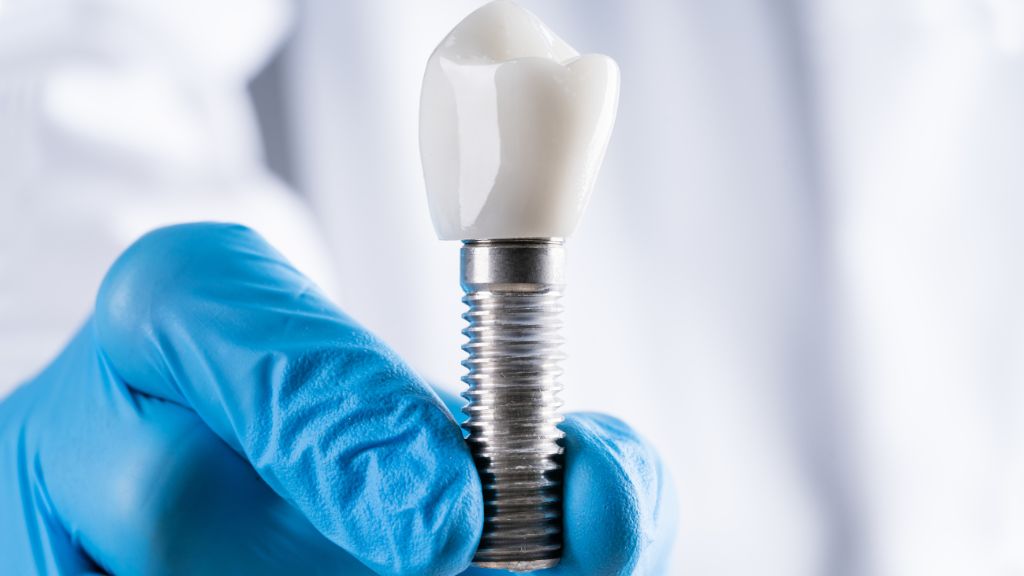
Traditional dental implants are individual titanium posts that are surgically placed into the jawbone to replace one or more missing teeth. Each implant acts as an artificial tooth root, and a custom crown is attached on top to mimic the look and function of a natural tooth.
This approach has been used successfully for decades and is considered the gold standard for single-tooth or multi-tooth replacement. If you’ve lost a few teeth in different areas of your mouth, traditional implants allow each missing tooth to be addressed independently.
The process typically involves multiple appointments over several months. After the implant is placed, the jawbone needs time to fuse with the titanium post through a process called osseointegration. Once that’s complete, the permanent crown is secured on top.
What Are All-on-4 Dental Implants?
All-on-4 is a full-arch restoration solution. Instead of replacing each tooth individually, All-on-4 uses just four strategically placed implants to support an entire arch of teeth, either the upper jaw, lower jaw, or both.
The four implants are positioned at specific angles to maximize contact with the available bone. This design is especially useful for patients who have experienced significant bone loss because the angled implants can often reach denser bone that’s still present, even after the front bone has deteriorated.
One of the most appealing aspects of the All-on-4 system is speed. Many patients receive a full set of functional, natural-looking teeth on the same day as their surgery, often referred to as “teeth in a day.” While these initial teeth are temporary, the final prosthesis is attached once healing is complete.
Key Differences Between All-on-4 and Traditional Implants
Understanding how these two options compare helps clarify which path makes more sense for your specific situation.
Scope of Tooth Loss
Traditional implants work best when you’re missing one tooth or a handful of teeth scattered across your mouth. All-on-4 is designed for patients who are missing most or all of their teeth in one or both arches, or those who are dealing with failing teeth that need to be extracted.
Number of Implants Required
With traditional implants, each missing tooth generally requires its own implant post. If you’re replacing six teeth, you may need six implants. With All-on-4, just four implants support an entire arch of up to 12 or more teeth. That’s a significant difference in surgical complexity and recovery.
Bone Grafting Requirements
Traditional implants often require adequate bone volume at each implant site. If bone loss has occurred, a bone graft may be needed before the implant can be placed, which adds time and cost to the process.
All-on-4 was specifically engineered to reduce or eliminate the need for bone grafting. By tilting the rear implants at an angle, surgeons can anchor them into areas where bone density is typically higher, even in patients with substantial bone loss. According to the American Academy of Implant Dentistry, bone loss is a common consequence of missing teeth, which is why timing and method of replacement both matter significantly.
Treatment Timeline
Traditional implants usually take anywhere from six months to over a year from start to finish, depending on whether bone grafting is needed and how quickly the implants integrate. All-on-4 can dramatically compress that timeline, sometimes allowing patients to leave the office with functional teeth the very same day.
Cost Considerations
It’s difficult to give a single number for either option because costs vary based on the complexity of treatment, the number of implants, and individual patient needs. That said, replacing a full arch with individual implants can become very expensive very quickly. All-on-4 often provides a more cost-effective path to full-arch restoration because fewer implants are used and bone grafting is frequently avoided.
Who Is a Good Candidate for Each Option?
This is where a consultation with an oral surgeon becomes essential, because there’s no universal answer.
Traditional implants tend to be a better fit for patients who:
- Are missing one or a few teeth
- Have healthy bone density at the implant sites
- Want individualized tooth replacement
- Are not dealing with widespread tooth failure
All-on-4 tends to be a better fit for patients who:
- Are missing most or all of their teeth in one arch
- Have experienced bone loss that would normally require grafting
- Want faster results with fewer procedures
- Are looking for a more predictable total cost for full-arch restoration
- Currently wear dentures and want a permanent, fixed alternative
What About Dentures? Where Do They Fit In?
Many patients arrive at this decision after years of wearing traditional removable dentures. Dentures can slip, limit what you eat, and require regular adhesive use. Both traditional implants and All-on-4 offer a fixed solution that stays in place and functions much more like natural teeth.
If you’re currently in dentures and want something permanent, the All-on-4 implant system may be the most efficient route to getting there, especially if bone loss has already occurred from years without natural tooth roots stimulating the jaw.
What Happens During a Consultation?
Before any decision is made, a thorough evaluation is needed. Board-certified oral surgeons will review your dental X-rays or 3D imaging, assess your bone structure, discuss your medical history, and talk through your goals. There’s no pressure to choose one option over the other, because the right answer depends entirely on your oral health situation.
If you’re exploring both options and want to understand the full picture, reviewing the All-on-4 procedure and benefits is a useful starting point before your first appointment.
A Note on Long-Term Results
Both All-on-4 and traditional implants are designed to last for decades when properly maintained. Regular dental hygiene, professional cleanings, and follow-up care all contribute to long-term success. The implants themselves are highly durable, but the prosthetic components, such as crowns or the implant bridge, may require adjustment or replacement over time.
One thing worth knowing is that both approaches help preserve the jawbone by providing the stimulation that natural tooth roots once did. This is something removable dentures simply cannot offer.
Making the Right Choice for Your Smile
There’s no one-size-fits-all answer when comparing All-on-4 and traditional dental implants. The best option depends on how many teeth you’ve lost, how much bone you have, your timeline, and your goals for the future.
What matters most is getting an honest evaluation from a qualified oral surgeon who can assess your specific situation and walk you through your options without pushing you toward any particular treatment.
At CTX Oral Surgery and Dental Implants, patients in Georgetown, Temple, and throughout Central Texas receive care from board-certified oral and maxillofacial surgeons who take the time to understand each case individually. If you’re ready to explore what’s possible, call us at 512-737-3266 or 254-773-4444 to schedule your consultation. The right solution for your smile is worth taking the time to find.