Most people know wisdom teeth can be a problem. But not everyone knows what an impacted wisdom tooth actually feels like – or how serious it can become if left alone.
If you have been noticing discomfort at the back of your mouth and wondering whether to bring it up at your next dental appointment, this article is worth reading before you wait any longer.
What Does “Impacted” Actually Mean?
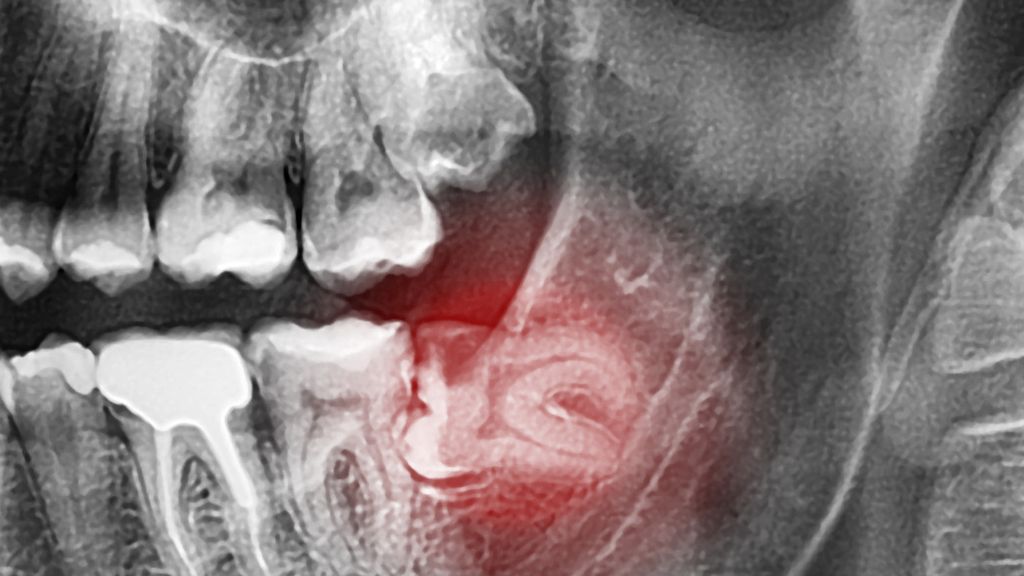
A wisdom tooth becomes impacted when it cannot fully emerge through the gum line. This usually happens because there simply is not enough room in the jaw. The tooth gets stuck – sometimes partially, sometimes completely beneath the gum or bone.
According to the American Association of Oral and Maxillofacial Surgeons, impacted wisdom teeth are extremely common. Many people have all four wisdom teeth impacted without realizing it until a dentist spots them on an X-ray or symptoms finally become hard to ignore.
The tricky part is that impacted wisdom teeth do not always cause dramatic pain right away. Some stay silent for months before triggering a problem. Others cause steady, low-grade discomfort that people chalk up to stress or grinding. Either way, the underlying issue does not resolve on its own.
Early Warning Signs of an Impacted Wisdom Tooth
Pain or Pressure at the Back of Your Jaw
This is the most commonly reported sign. The pain tends to feel like a dull ache near the back molars, though it can radiate toward the ear or down the jaw. Some people describe it as pressure – like something is pushing from inside.
The discomfort may come and go, especially in the early stages. That inconsistency is part of why people delay getting it checked. But intermittent pain does not mean a minor problem. It often means the tooth is actively trying to shift or erupt and encountering resistance.
Red, Swollen, or Bleeding Gums
When a wisdom tooth partially breaks through the gum, it creates a small flap of tissue that is incredibly difficult to keep clean. Bacteria accumulate there easily, leading to inflammation, redness, and sometimes spontaneous bleeding when you brush or eat.
This condition is called pericoronitis, and it is one of the more painful complications of partial eruption. If your gums at the back of your mouth look puffy or feel tender to the touch, that is worth taking seriously.
Difficulty Opening Your Mouth or Chewing
An impacted tooth that has triggered infection or significant inflammation can make it uncomfortable – or even difficult – to open your mouth fully. Chewing on that side may feel sharp or aggravating.
This is not a symptom to push through. Swelling and infection in the jaw can escalate quickly, and limited jaw movement can be one of the earlier indicators that things are heading in a serious direction.
Bad Breath or an Unpleasant Taste
Persistent bad breath that does not improve with brushing and mouthwash is worth noting, especially when it comes alongside any of the other symptoms above. Bacteria trapped around an impacted or partially erupted tooth can produce a foul odor or a bitter taste in the mouth that seems to linger no matter what you do.
This is not just an inconvenience. It is often a sign of active bacterial activity in a place that is very hard to clean on your own.
Complications That Can Develop Over Time
Cysts and Damage to Adjacent Teeth
Impacted wisdom teeth can develop fluid-filled sacs called cysts around them. Over time, these cysts can grow and hollow out the surrounding jawbone, and they can put direct pressure on neighboring teeth – sometimes causing damage that requires additional treatment to correct.
The second molar, which sits directly in front of the wisdom tooth, is particularly vulnerable. Root resorption (where the roots of healthy teeth begin to break down due to pressure) is a real risk when an impacted tooth is left in place long enough.
Increased Cavity Risk
Because partially erupted wisdom teeth are so difficult to clean around, both the wisdom tooth itself and the neighboring second molar are at significantly higher risk for decay. The bacteria that collect in that tight, hard-to-reach space do not discriminate – they will attack whatever surface they can access.
This is one of the reasons oral surgeons and dentists often recommend removing impacted wisdom teeth even when they are not actively causing pain. Prevention is almost always easier than repair.
Infection That Spreads
In more serious cases, infection around an impacted tooth can spread into the surrounding tissue, the neck, or even the airway. While this level of complication is not common, it is not unheard of either – and it represents a genuine medical emergency when it does occur.
Should You Wait and See?
This is the most common question people ask, and it is a reasonable one. Not every impacted wisdom tooth needs immediate removal. But “wait and see” should be a decision made with a qualified oral surgeon reviewing your X-rays and clinical history – not a default response to hoping the discomfort fades.
Younger patients tend to recover more quickly from wisdom tooth removal because the roots are not fully formed and the bone is less dense. Waiting until symptoms worsen often means waiting until the procedure and recovery become more complex.
The honest answer is this: if you are noticing symptoms, a consultation is the appropriate next step. You will leave knowing exactly what is happening and what your options are.
What the Removal Process Actually Looks Like
Many patients assume wisdom tooth removal is more involved than it actually is. The procedure is performed under local anesthesia or IV sedation depending on the complexity and patient preference. At CTX Oral Surgery and Dental Implants, board-certified oral and maxillofacial surgeons perform these procedures with the kind of training that comes from hospital-based surgical experience, including advanced anesthesia techniques designed to keep patients comfortable.
Recovery typically involves a few days of rest, some swelling, and manageable discomfort that improves steadily. Your care team will walk you through post-operative instructions so you know exactly what to expect during healing. If you want a more detailed look at what the recovery experience involves, the article on Understanding Wisdom Teeth Removal Pain covers it well.
When to Stop Waiting and Make the Call
If you are experiencing jaw pain, swollen gums, repeated infections, or even just low-grade discomfort that has been lingering for weeks, do not keep putting it off. These are not symptoms that typically resolve without intervention.
CTX Oral Surgery and Dental Implants serves patients in Georgetown and Temple, Texas, with a team that takes the time to explain what is happening and what your options are – without pressure. You can reach the Georgetown office at 512-737-3266 or the Temple office at 254-773-4444 to schedule a consultation.
When to Take Impacted Wisdom Teeth Seriously
Impacted wisdom teeth are one of the more common oral health issues adults face, but common does not mean trivial. The signs – jaw pain, gum swelling, difficulty chewing, persistent bad breath – exist for a reason, and ignoring them rarely makes things easier down the line.
If you want a solid foundation before your consultation, start with the Wisdom Teeth Overview to understand what you might be dealing with and what removal typically involves. Knowledge makes the whole process less stressful – and getting the right information early can make a real difference in your outcome.