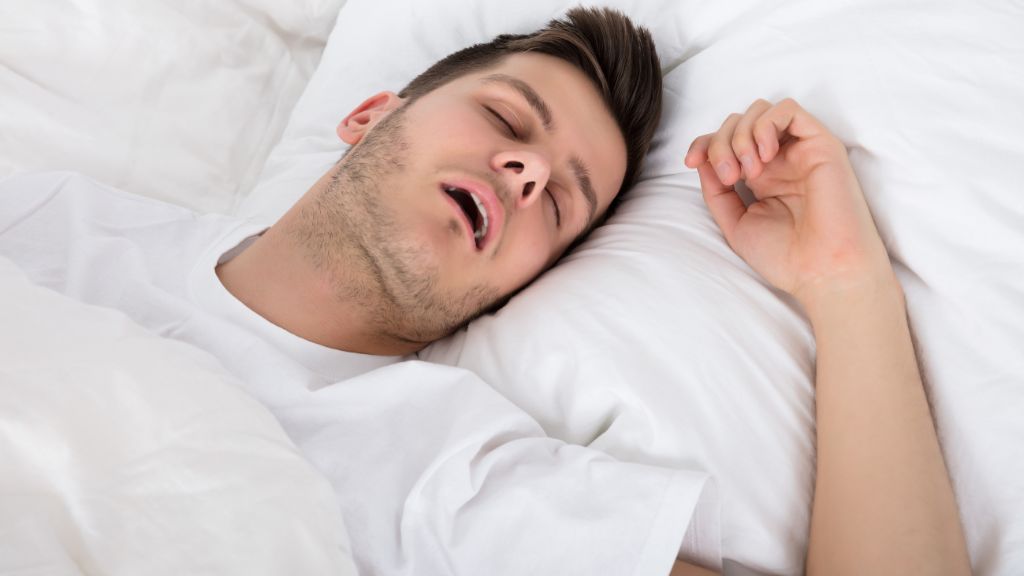
If you’ve been diagnosed with sleep apnea and the thought of strapping on a CPAP machine every night makes you cringe, you’re not alone. Many people struggle to tolerate CPAP therapy – and some never get diagnosed at all because they assume a bulky machine is their only option. The good news is that there are real, effective alternatives worth knowing about.
This article walks you through what actually helps sleep apnea without a machine, from lifestyle changes to dental devices to surgical solutions that can address the problem at its source.
First, Why Does Sleep Apnea Happen?
Sleep apnea occurs when your airway becomes partially or fully blocked during sleep, causing you to stop breathing repeatedly throughout the night. The most common type – obstructive sleep apnea – happens when the soft tissues at the back of your throat collapse and cut off airflow.
The result isn’t just loud snoring or a groggy morning. Untreated sleep apnea is linked to high blood pressure, heart disease, weight gain, and serious cognitive decline over time. According to the American Academy of Sleep Medicine, an estimated 30 million Americans have obstructive sleep apnea, and most of them go undiagnosed.
Understanding why your airway collapses is the first step toward finding the right fix – with or without a CPAP.
Lifestyle Changes That Can Make a Real Difference
Before anything else, it’s worth acknowledging that some cases of sleep apnea can be meaningfully improved through changes in daily habits. These aren’t miracle cures, but they’re a reasonable place to start if your apnea is mild or moderate.
Weight Loss and Sleep Position
Excess weight – especially around the neck and throat – increases the likelihood that soft tissue will obstruct your airway during sleep. Even a modest reduction in body weight can decrease the severity of apnea episodes in some patients.
Sleep position also matters more than most people realize. Sleeping flat on your back allows your tongue and soft palate to fall backward, narrowing the airway. Training yourself to sleep on your side – sometimes called positional therapy – can reduce the frequency of apnea events for certain individuals.
Alcohol, Sedatives, and Smoking
Alcohol and sedative medications relax the muscles in your throat, which is exactly what you don’t want when you’re trying to keep your airway open. Cutting back on alcohol, especially in the hours before bed, can have a noticeable impact on sleep quality.
Smoking, meanwhile, causes inflammation and fluid retention in the upper airway – both of which make obstruction more likely. It’s one more reason to consider quitting, even if it’s difficult.
Oral Appliance Therapy: A CPAP Alternative That Works
For many patients, especially those with mild to moderate obstructive sleep apnea, a custom-fitted oral appliance is one of the most effective non-machine options available. These devices look similar to a sports mouthguard and are worn during sleep.
How Oral Appliances Work
A mandibular advancement device (MAD) works by gently repositioning your lower jaw and tongue slightly forward during sleep. This forward positioning helps keep the airway open, reducing or eliminating the collapse that causes apnea events.
Oral appliances are quiet, portable, and far easier to tolerate than a CPAP for most people. They don’t require electricity, they travel well, and they don’t come with the same claustrophobic feeling that CPAP masks produce in some patients.
These devices should be fitted by a trained dental professional – not purchased off the shelf. A custom fit is essential for both effectiveness and comfort, and proper follow-up is needed to ensure the device is doing its job.
Surgical Options: Addressing the Anatomy Directly
When lifestyle changes and oral appliances aren’t enough, surgery may offer a longer-term solution. Surgical approaches to sleep apnea aim to correct the structural issues that cause airway obstruction in the first place.
Soft Tissue Procedures
Some surgical options target the soft tissue of the throat and palate – removing or tightening excess tissue that contributes to blockage. These procedures can be effective for select patients, though they’re not universally recommended and results vary.
Jaw Surgery for Sleep Apnea
One of the most effective surgical treatments for obstructive sleep apnea is maxillomandibular advancement (MMA) – a procedure that moves both the upper and lower jaws forward to permanently enlarge the airway. This isn’t a minor procedure, but for patients with moderate to severe obstructive sleep apnea who can’t tolerate CPAP, the results can be genuinely life-changing.
Board-certified oral and maxillofacial surgeons are uniquely trained to perform this type of surgery. At CTX Oral Surgery and Dental Implants, our surgeons evaluate each patient carefully to determine whether a surgical approach is appropriate and what level of intervention makes sense given the individual anatomy and severity of the condition.
If you’re in Central Texas and wondering whether surgery could help you, our Obstructive Sleep Apnea Treatment page is a good starting point for understanding what the evaluation process looks like.
What About Nasal Strips, Positional Devices, and Other Products?
You’ve probably seen the commercials – nasal strips, throat sprays, anti-snoring pillows, and various over-the-counter gadgets that promise to fix sleep apnea overnight. Here’s the honest answer: most of these products are designed to address snoring, not the underlying airway obstruction that defines sleep apnea.
Nasal strips, for example, can help if nasal congestion is contributing to your breathing difficulties, but they won’t address soft tissue collapse in the throat. They’re not a treatment for sleep apnea on their own.
That said, nasal breathing does play a role in overall airway health. If chronic nasal congestion or a deviated septum is part of your picture, addressing that issue with appropriate medical care may improve sleep quality as part of a broader treatment plan.
Why Diagnosis Matters Before Choosing a Treatment
It’s tempting to try home remedies or over-the-counter products before seeking a formal diagnosis, but sleep apnea isn’t a condition that benefits from guessing. The severity of your apnea – measured by the number of breathing interruptions you experience per hour – helps determine which treatment is appropriate.
A sleep study (either in a lab or at home with a take-home device) remains the standard way to diagnose sleep apnea and assess its severity. Your doctor or a sleep specialist will use the results to guide treatment recommendations.
If you’ve already been diagnosed and you’re looking for alternatives to CPAP, that’s a conversation worth having with your care team – including a dentist or oral surgeon who specializes in sleep apnea treatment.
Finding the Right Solution in Central Texas
Sleep apnea is a serious condition, but that doesn’t mean your only path forward is a machine on your nightstand for the rest of your life. Between targeted lifestyle changes, custom oral appliances, and surgical options for the right candidates, there are real alternatives worth exploring.
At CTX Oral Surgery and Dental Implants, our board-certified surgeons work with patients in Georgetown, Temple, and the surrounding Central Texas area to evaluate the structural factors contributing to sleep apnea and determine whether surgery may help. We take the time to understand your specific anatomy, your history with previous treatments, and what your goals are – and then we help you find an approach that actually fits your life.
If you’re ready to explore your options, call us at 512-737-3266 (Georgetown) or 254-773-4444 (Temple) to schedule a consultation. A better night’s sleep may be closer than you think.