If you’ve been researching tooth replacement options, you’ve probably already noticed that dental implant pricing isn’t exactly straightforward. One practice quotes you one number, another gives you something completely different, and the internet offers ranges so wide they’re almost useless. So what’s actually going on?
The honest answer is that dental implant costs vary because no two patients are starting from the same place. The price you’ll pay depends on a combination of your oral health, the number of teeth being replaced, the materials used, and the expertise of the surgical team handling your care. Understanding what drives those numbers can help you make a smarter, more confident decision.
The Baseline: What a Single Dental Implant Typically Costs
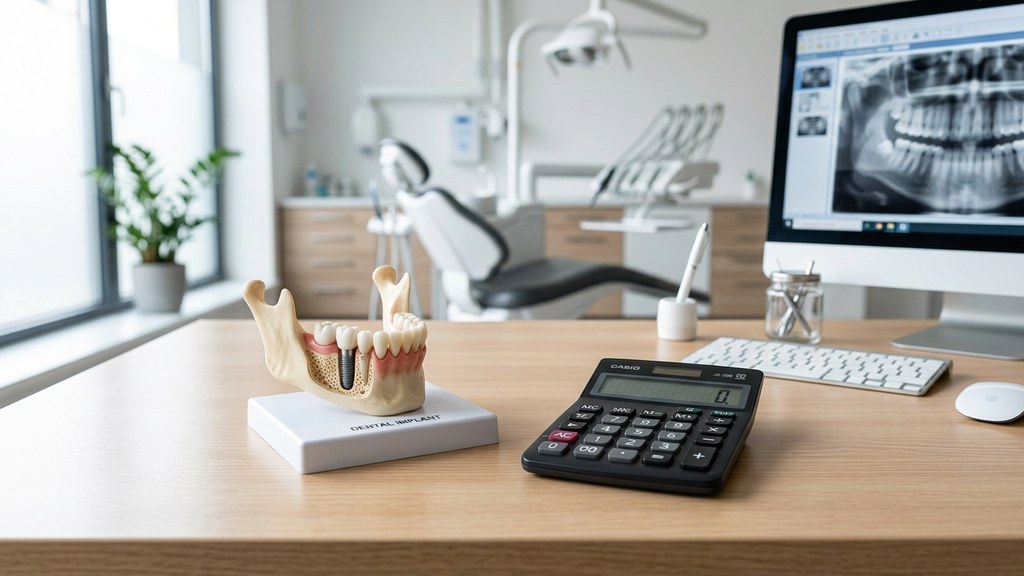
For a single tooth replacement, most patients in the United States can expect to pay somewhere between $3,000 and $5,000 when all components are factored in. That figure generally includes the implant post itself, the abutment that connects it to the crown, and the crown on top.
Keep in mind that number can shift significantly depending on where you live, the complexity of your case, and what preparatory work needs to happen before the implant can even be placed. In Central Texas, pricing tends to be more reasonable than in major metro markets, though the clinical standards at a specialized oral surgery practice remain just as high.
What Actually Changes the Price
Your Jawbone Density and Volume
This is often the biggest wildcard in implant pricing. A dental implant is a titanium post that gets anchored directly into your jawbone. If your bone has deteriorated over time, which is common after tooth loss, that bone has to be rebuilt before the implant can be placed.
Bone grafting is a surgical procedure that adds volume and density to areas of the jaw that have thinned out. It’s effective and well-established, but it does add cost and time to your overall treatment plan. You can learn more about how this process works by reading about bone grafting for dental restoration.
The Number of Implants You Need
Replacing one tooth is priced very differently from replacing several, and replacing a full arch is a different category altogether. Patients who are missing most or all of their teeth on one or both arches may be candidates for a solution that uses just four strategically placed implants to support a full set of teeth.
This approach is more cost-effective per tooth than placing individual implants for each missing tooth, and it’s an option worth exploring if you’re facing significant tooth loss. The overall cost for a full-arch restoration of this type typically ranges from $20,000 to $30,000 per arch, depending on your specific situation.
The Type of Restoration on Top
Not all crowns are created equal. The material used for the visible portion of the restoration – the crown – affects both price and appearance. Zirconia crowns tend to be more expensive than porcelain-fused-to-metal options but offer excellent durability and a more natural look. Your surgeon and restorative dentist will help you weigh the trade-offs.
The Surgeon’s Training and Credentials
There’s a meaningful difference between having a general dentist place an implant and having a board-certified oral and maxillofacial surgeon do it. Oral surgeons complete an additional four to six years of hospital-based surgical and anesthesia training beyond dental school. That level of expertise reduces complication risk, which matters enormously when you’re talking about a procedure that involves bone and long-term structural function.
Practices led by specialists often charge more, but that premium reflects reduced risk and a higher standard of care. According to the American Association of Oral and Maxillofacial Surgeons, board certification is one of the strongest indicators of surgical competence and ongoing professional development.
Location and Overhead
A practice in a high-cost urban market will typically charge more than one in a smaller city, simply due to operational expenses. This is one reason some Central Texas patients find that working with a reputable local oral surgery practice offers a meaningful cost advantage without compromising on quality.
Hidden Costs That Catch People Off Guard
There are a few line items that patients sometimes overlook when budgeting for implants.
Pre-surgical imaging, including 3D cone beam CT scans, is often necessary to map your bone structure before surgery. Initial consultations may or may not be included in the final treatment cost. If anesthesia is involved – and it often is for surgical implant placement – it may be billed as a separate fee. Post-operative medications and follow-up appointments should also be factored in.
A transparent practice will walk you through the full fee breakdown before you commit to anything. If a practice won’t give you a detailed treatment estimate upfront, that’s worth paying attention to.
Does Dental Insurance Cover Implants?
Some dental insurance plans offer partial coverage for implants, though many older plans still classify them as cosmetic and exclude them entirely. It’s worth calling your insurance provider directly and asking specifically about implant coverage, not just “dental surgery” broadly.
Even with partial coverage, most patients will have some out-of-pocket expense. Many oral surgery practices offer financing options that allow you to spread that cost over time. If cost is a significant concern, ask about payment plans during your consultation.
Is a Cheaper Implant Always a Worse Choice?
Not necessarily, but it requires scrutiny. Lower pricing could reflect a genuinely competitive local market, or it could reflect the use of lower-quality implant components, less experienced surgeons, or practices that cut corners on diagnostics and post-operative care.
Dental implants are designed to last decades. A failed implant doesn’t just cost money to fix; it can also cost time and sometimes lead to additional bone loss. The cheapest option upfront can become the most expensive option long-term.
How to Have a Productive Conversation About Cost
When you sit down for a consultation, come prepared. Ask for an itemized estimate that breaks out every component of your treatment. Ask whether bone grafting, imaging, or anesthesia will be additional. Ask about the implant brand being used and why. And ask what happens if there are complications.
A good surgical team will welcome these questions. The goal isn’t to pressure you into a decision; it’s to make sure you understand exactly what you’re getting and why.
For a deeper look at how implants work and what the full treatment process involves, the comprehensive guide to dental implants is a helpful place to start.
What to Consider Before Choosing Dental Implants
Dental implants remain the most effective long-term solution for missing teeth, both functionally and aesthetically. The price can feel daunting at first, but when you understand what’s driving it and what questions to ask, you’re in a much better position to evaluate your options clearly.
At CTX Oral Surgery and Dental Implants, the team in Georgetown and Temple, TX is here to give you real answers without pressure. If you’re ready to understand what your specific situation would actually cost, call 512-737-3266 or 254-773-4444 to schedule a consultation. A personalized estimate based on your imaging and oral health history will always be more useful than any number you find online.