If you have oral surgery coming up, your surgeon will talk with you about anesthesia. The choice affects how aware you are during the procedure, how you feel afterward and whether you need a ride home. This guide compares the four main options so you can come to your consultation with questions ready.
The Four Anesthesia Options at a Glance
| Option | How it’s given | How aware you are | Need a driver? | Typical use |
|---|---|---|---|---|
| Local anesthesia | Injection near the surgical site | Fully awake, area is numb | No | Simple extractions, biopsies |
| Nitrous oxide | Breathed through a small nose mask | Awake and relaxed | Usually no | Mild anxiety, short procedures |
| IV sedation | Medication through a vein in the arm or hand | Deeply relaxed, little or no memory | Yes | Wisdom teeth, implants, All-on-4 |
| General anesthesia | IV and/or inhaled medication | Fully unconscious | Yes | Complex jaw surgery, some full-arch cases |
Local Anesthesia
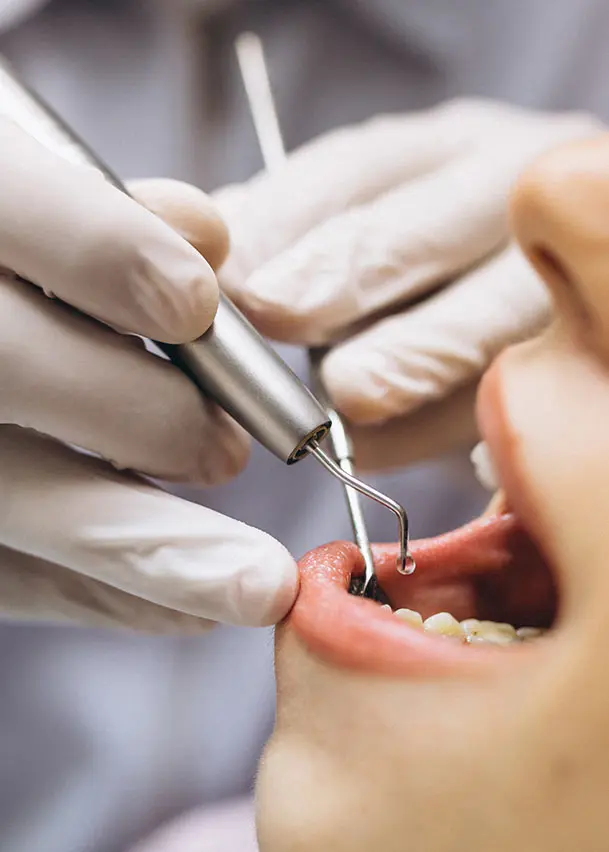
Local anesthesia numbs only the area being treated. You stay fully awake and can drive yourself home. It works well for quick procedures but can feel stressful for longer surgeries. Your surgeon uses local anesthesia with every other option on this list as well.
Nitrous Oxide (Laughing Gas)
Nitrous oxide is a gas you breathe through a mask over your nose. It takes the edge off anxiety within a few minutes and wears off soon after the mask comes off. You stay awake and responsive the whole time. It suits patients with mild nerves during shorter procedures.
IV Sedation
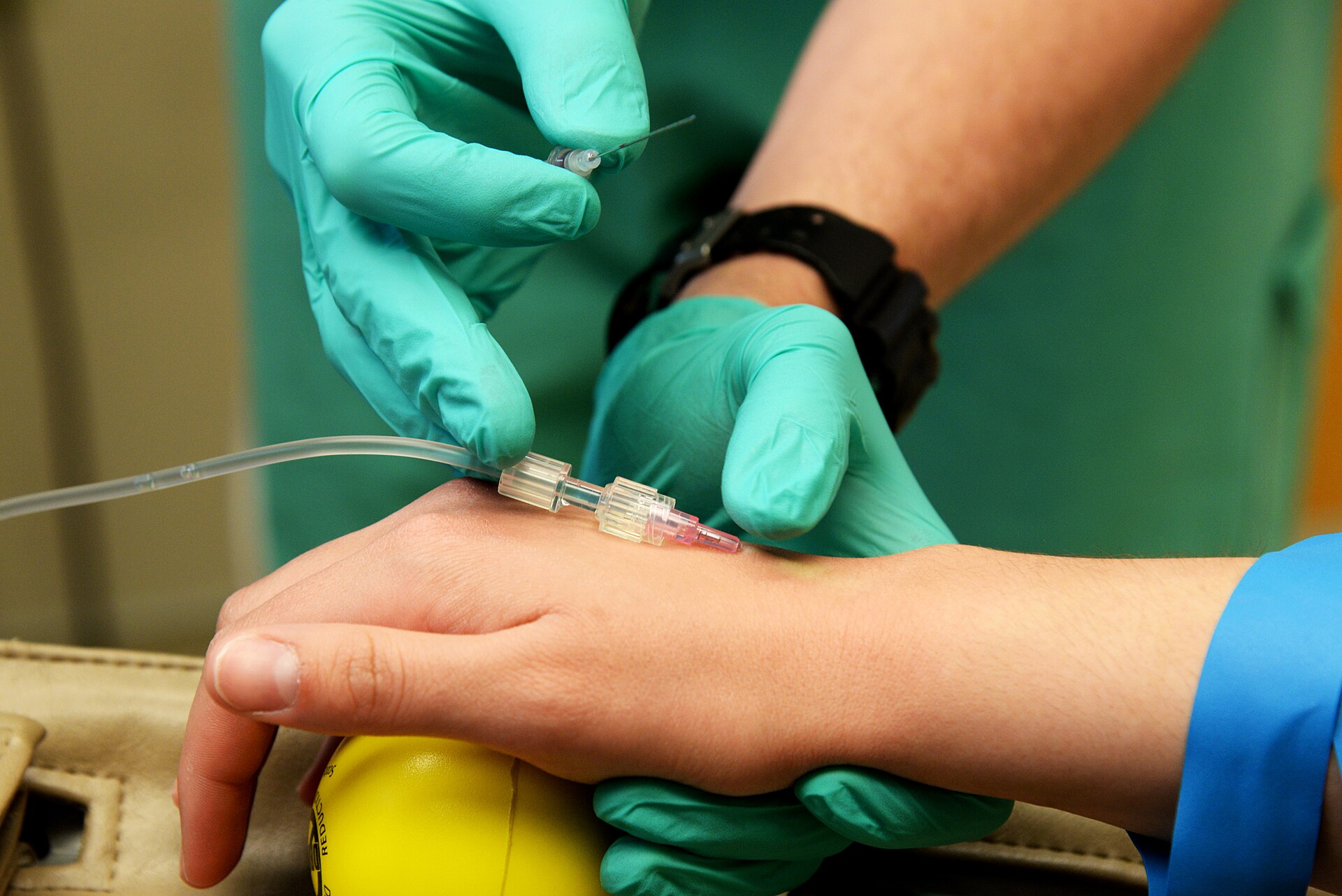
IV sedation delivers medication directly into a vein, so it works quickly and your surgeon can adjust it throughout the procedure. Most patients feel deeply relaxed and remember little or nothing afterward. You keep breathing on your own while the team monitors your heart rate, blood pressure and oxygen levels. IV sedation is the most common choice for wisdom teeth removal and dental implant surgery. Read more about IV sedation at CTX.
General Anesthesia
General anesthesia puts you fully to sleep, and the anesthesia team supports your breathing. It is used for the most involved procedures, such as corrective jaw surgery. Recovery takes longer than with IV sedation, and some cases are done in a hospital setting.
How Oral Surgeons Choose the Right Option
Your surgeon looks at the following when recommending an option.
- The length and complexity of the procedure
- Your anxiety level and past experiences with dental care
- Your medical history and current medications
- Your gag reflex and how well you tolerate long appointments
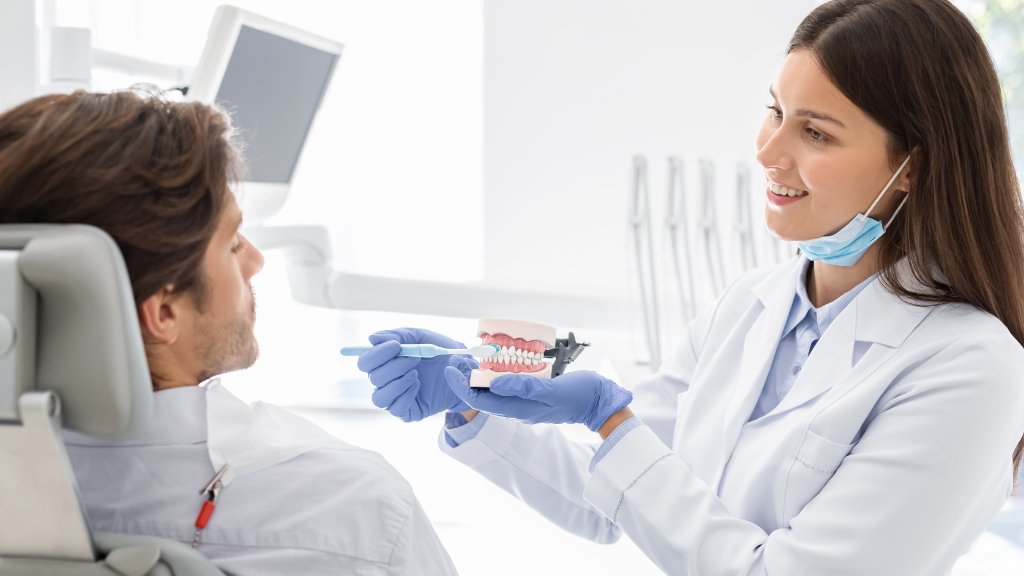
Oral and maxillofacial surgeons complete anesthesia training during their residency. This is why many oral surgery offices can offer IV sedation in-office with full monitoring.
Preparing for IV Sedation or General Anesthesia
Do not eat or drink anything, including water, for 8 hours before your appointment. A responsible adult must come with you, stay in the office and drive you home. Do not drive or operate machinery for 24 hours afterward. See our full before anesthesia instructions.
Recovery After Each Type of Anesthesia
After local anesthesia or nitrous oxide, most patients return to normal activities the same day. After IV sedation, expect to feel drowsy for the rest of the day and plan to rest at home. General anesthesia can leave you groggy for longer, and your care team will give you specific instructions.
Does Insurance Cover Sedation?
Coverage varies by plan. Some dental and medical plans cover IV sedation or general anesthesia for surgical procedures like impacted wisdom teeth. Our team will check your benefits before surgery.
Frequently Asked Questions
Will I be asleep during IV sedation?
Most patients drift in and out of light sleep and remember little. You can still respond to simple instructions.
Is IV sedation safer than general anesthesia?
Both are safe for healthy patients when given by trained surgeons with proper monitoring. IV sedation has a shorter recovery because you keep breathing on your own.
Can I choose nitrous oxide for wisdom teeth removal?
It depends on how many teeth are coming out and how deeply they are impacted. Your surgeon will recommend the right level of sedation at your consultation.
Talk With Our Surgeons About Your Options
Call our Georgetown office at (512) 737-3266 or our Temple office at (254) 773-4444 to schedule a consultation.