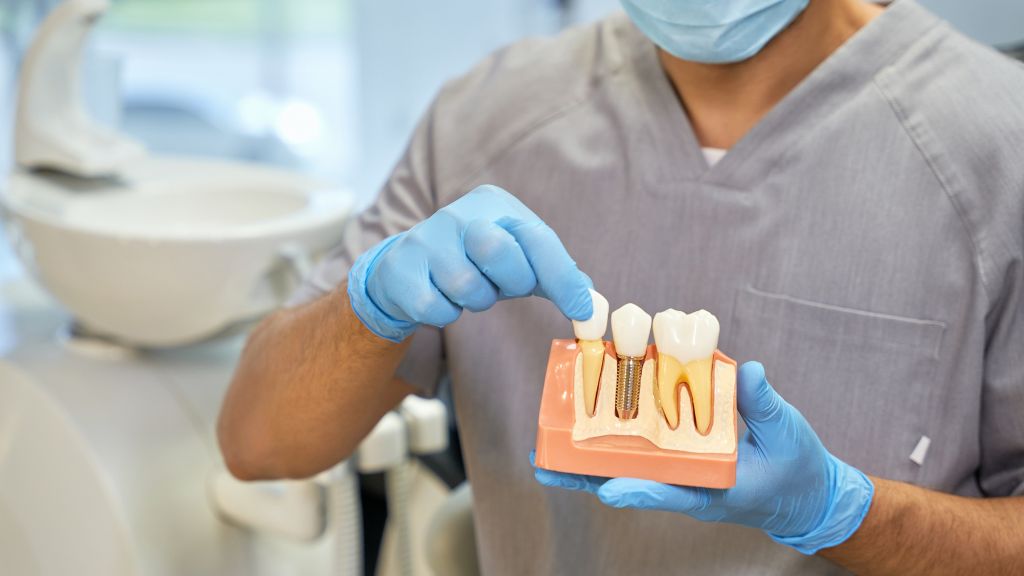
Walking into your first oral surgery consultation can feel a little intimidating, especially if you are not sure what to expect. Maybe your dentist referred you for wisdom teeth removal, dental implants, or something else entirely. Either way, showing up prepared makes a real difference – not just for your comfort, but for the quality of care you receive.
This guide walks you through exactly what to do before that first appointment so you can make the most of your time and leave with a clear plan.
Why Your First Consultation Matters More Than You Might Think
The initial consultation is not just a formality. It is the appointment where your surgeon gets to know your health history, examines your mouth and jaw, reviews any imaging, and begins building a treatment plan specific to you.
For patients at a practice like CTX Oral Surgery and Dental Implants in Georgetown and Temple, TX, this appointment sets the tone for everything that follows. The goal is not to rush you toward a procedure – it is to make sure you and your surgical team are on the same page before anything happens.
Coming prepared helps your surgeon give you accurate information and helps you ask the right questions while you are there.
What to Gather Before the Appointment
Your Medical and Dental History
Your surgeon needs a complete picture of your health, not just your teeth. Before your visit, take a few minutes to write down any medical conditions you have been diagnosed with, surgeries you have had in the past, and any known allergies – especially to medications or anesthesia.
If you have had recent dental X-rays or imaging, bring those along or ask your general dentist to send them ahead of time. This can save you from repeating tests and helps the surgeon see what they are working with before the exam even begins.
A Full List of Your Medications
This one is easy to overlook but critically important. Bring a complete list of every medication you take, including over-the-counter drugs, vitamins, and supplements. Certain medications – like blood thinners, aspirin, or herbal supplements – can affect how procedures are planned and how you heal afterward.
Do not assume something is too minor to mention. Your surgeon needs the full picture.
Your Insurance Information and ID
Bring your insurance card, a valid photo ID, and any referral paperwork from your dentist if applicable. If you have questions about coverage, it is worth calling ahead so the front desk can verify your benefits before you arrive.
What to Expect During the Consultation
A Conversation, Not Just an Exam
Good oral surgery consultations are two-way conversations. Your surgeon will ask about your symptoms, concerns, and what brought you in. This is also your opportunity to share anything that makes you nervous, whether that is anesthesia, recovery time, or what the procedure actually involves.
Board-certified oral and maxillofacial surgeons are trained not only in surgery but in helping patients feel genuinely informed. If something is unclear, ask for clarification. You should leave the appointment understanding what is being recommended and why.
Imaging and Clinical Evaluation
Depending on your situation, your surgeon may take a cone beam CT scan or panoramic X-ray during the visit. These provide a detailed, three-dimensional view of your teeth, bone structure, jaw, and surrounding anatomy – far more information than a standard dental X-ray can offer.
This imaging is especially important for procedures like dental implant planning, jaw surgery, or evaluating impacted teeth. It helps the surgeon assess bone density, nerve location, and other factors that directly influence how your treatment is approached.
A Treatment Plan Tailored to You
By the end of your consultation, you should have a clear understanding of what is being recommended, what your options are, and what the next steps look like. A reputable practice will not pressure you into scheduling a procedure on the spot. The decision is yours, and you should feel comfortable with it.
Questions Worth Asking Your Oral Surgeon
Most patients leave their consultation wishing they had asked more questions. Here are a few that tend to matter:
- What is the specific procedure being recommended, and why?
- What are the risks and expected outcomes?
- How long is the recovery, and what will it feel like?
- Will I be awake, sedated, or under general anesthesia?
- Are there alternative treatment options I should consider?
- What happens if I choose not to move forward with treatment?
Write these down before you go. It is easy to forget in the moment, especially if you are feeling anxious.
A Note on Anesthesia
If your procedure involves sedation or IV anesthesia, your surgeon will give you specific instructions to follow beforehand. These instructions exist for your safety and should be followed carefully.
According to the American Association of Oral and Maxillofacial Surgeons, patients undergoing anesthesia should generally avoid eating or drinking for a certain period before their procedure. Failure to follow these guidelines can lead to serious complications and may require rescheduling.
At CTX Oral Surgery and Dental Implants, patients are provided with detailed pre-anesthesia guidelines to review ahead of time. Familiarizing yourself with these instructions early, even before your procedure is scheduled, gives you a better sense of what to expect and how to prepare your household, work schedule, and transportation arrangements.
Practical Logistics That Make a Difference
Plan Your Transportation
If there is any chance your consultation could lead to a same-day procedure, or if anesthesia is involved, arrange for a responsible adult to drive you home. Even if nothing is scheduled that day, it is one less thing to stress about.
Dress Comfortably
Wear loose, comfortable clothing. Avoid wearing heavy makeup, nail polish, or contact lenses if anesthesia is being discussed – these can interfere with monitoring during sedation.
Arrive a Few Minutes Early
New patient paperwork takes time. Arriving ten to fifteen minutes early gives you a chance to complete forms without feeling rushed and to ask any last-minute questions at the front desk.
The Difference a Prepared Patient Makes
Surgeons and their teams consistently note that prepared patients have better outcomes – not just clinically, but in terms of their overall experience. When you show up with your records, your questions, and a basic understanding of what is involved, the entire appointment runs more smoothly.
You also make it easier for your surgeon to focus on you rather than chasing down missing information.
Be Ready for Your Oral Surgery Consultation
Your first oral surgery consultation does not have to feel overwhelming. With a little preparation, you can walk in with confidence, ask the right questions, and leave with a clear path forward.
If you are ready to take that next step, the team at CTX Oral Surgery and Dental Implants is here to help. Call us at 512-737-3266 (Georgetown) or 254-773-4444 (Temple), or get in touch to schedule your consultation today.