If you’ve been told you need a dental implant, one of the first questions you’re probably asking is: how long is this actually going to take? It’s a fair question, and the honest answer is that it depends on several factors specific to your situation.
Let’s walk through what actually happens during the dental implant process – from the first consultation to the final crown placement – so you know exactly what to expect.
The Short Answer: It Varies More Than You Might Think
A single dental implant procedure itself typically takes between one and two hours in the surgical chair. But the full treatment timeline, from start to finish, can range from a few months to well over a year depending on your oral health, bone density, and whether additional procedures are needed.
That said, knowing the individual stages helps you plan realistically and feel less overwhelmed.
What Happens During the Initial Consultation
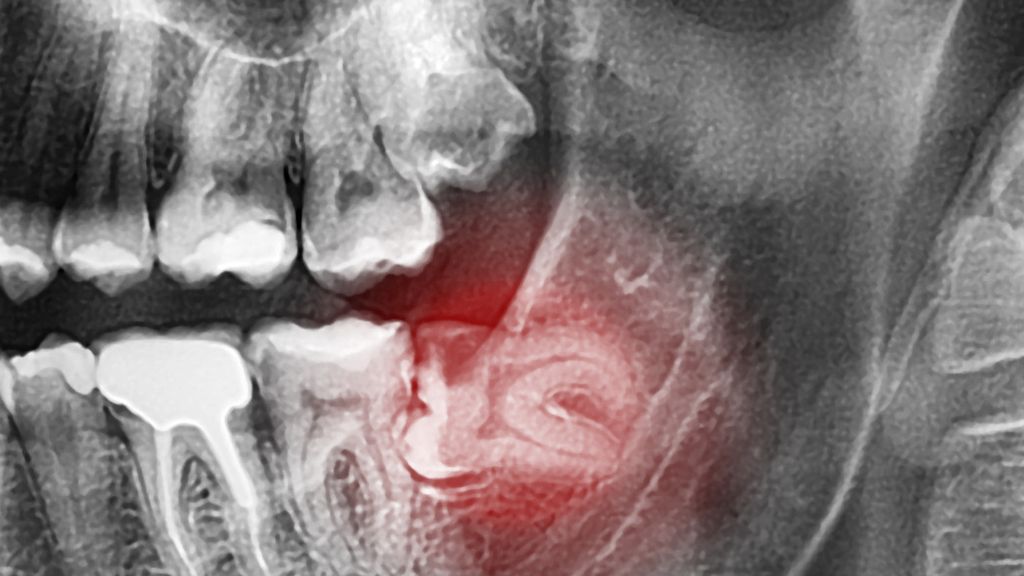
Before any surgery is scheduled, your oral and maxillofacial surgeon will review your medical history, take imaging, and assess the condition of your jaw and surrounding teeth. This appointment is where the actual timeline starts to take shape.
If you have existing tooth loss, gum disease, or reduced bone density in your mandible, additional steps may be required before the implant can be placed. A health professional will walk you through those options clearly.
Stage One: The Implant Placement Surgery
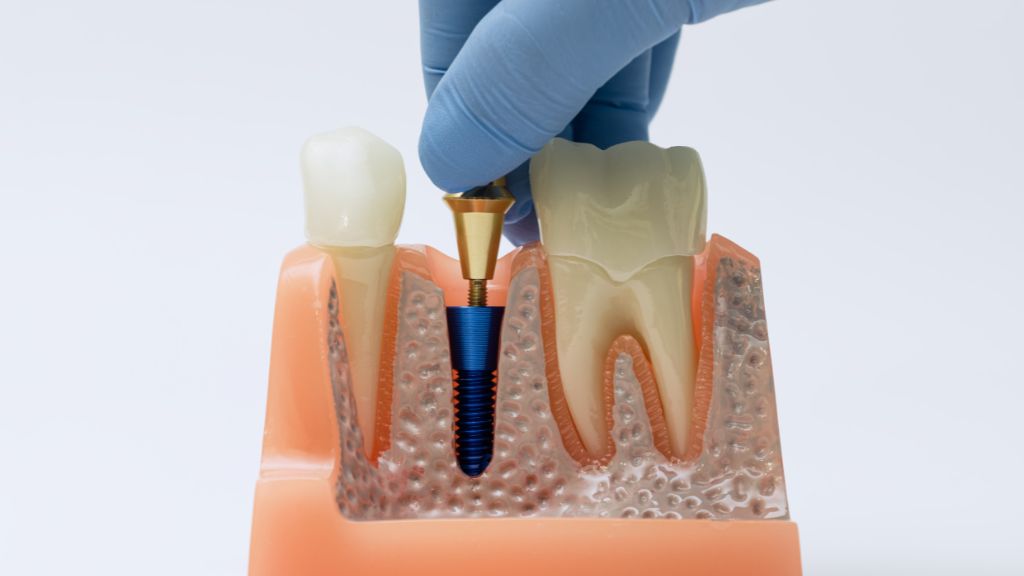
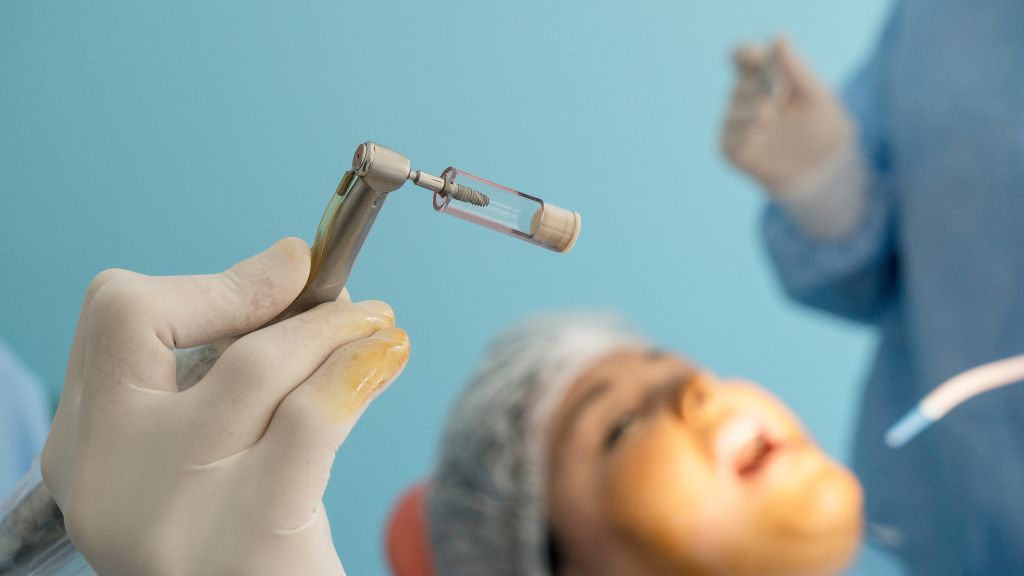
This is the main surgical procedure. A titanium post – which acts as an artificial tooth root – is placed directly into the jawbone beneath the gum line. The surgery itself usually takes one to two hours for a single implant.
You will receive anesthesia beforehand, often IV sedation or general anesthesia, to keep you comfortable throughout. Board-certified surgeons trained in hospital-based anesthesia protocols handle this in a controlled, safe environment. After the procedure, it is normal to experience some edema (swelling), mild discomfort, and fatigue for several days. Your surgeon will provide clear medication instructions to manage these signs and symptoms during recovery.
Stage Two: Osseointegration – The Waiting Period
This is the stage that accounts for most of the overall timeline. After placement, the titanium implant must fuse with the surrounding bone in a process called osseointegration. This takes approximately three to six months, sometimes longer, depending on your bone health and healing rate.
There is no shortcut here. Osseointegration is what makes the implant stable enough to support a prosthesis. Rushing it can compromise the entire dental restoration.
What If You Need Bone Grafting First?
Some patients do not have sufficient bone density in the jaw to support an implant right away. In these cases, bone grafting is performed before implant placement. This is a common and well-established procedure in oral surgery and periodontology.
Bone grafting adds additional healing time – typically three to six months – before the implant can be placed. So if this step is needed, your overall timeline will be longer. The tradeoff is that the final result is far more stable and long-lasting.
Stage Three: Abutment Placement and Crown Restoration
Once osseointegration is confirmed, the next step is placing the abutment – a small connector that sits above the gum line and holds the final crown in place. This appointment is shorter and less involved than the initial surgery.
After impressions are taken and the crown is fabricated, it is attached to the abutment. The crown is custom-made to match your surrounding teeth in shape and color. This final stage of dental restoration brings your smile back to full function.
Full Timeline Summary
Here is a general breakdown of how long each phase typically takes:
- Consultation and evaluation: 1 appointment
- Bone grafting (if needed): 3 to 6 months of healing
- Implant placement surgery: 1 to 2 hours in the chair
- Osseointegration: 3 to 6 months
- Abutment placement: 1 shorter appointment
- Crown placement: 1 to 2 appointments after fabrication
For straightforward cases, the process takes around 5 to 8 months total. For patients requiring bone grafting or dental extraction beforehand, it can extend to 12 to 18 months or more.
How All-On-4 Implants Affect the Timeline
Patients dealing with significant tooth loss or those who currently wear dentures may be better candidates for All-On-4 dental implants. This approach supports an entire arch of teeth using just four strategically placed implants, and in many cases, a temporary prosthesis can be placed the same day as surgery.
While osseointegration still occurs over several months, the All-On-4 method can meaningfully compress parts of the overall timeline. It is worth discussing with your surgeon if full-arch restoration is what you need.
Why the Timeline Is Worth It
Dental implants have a documented long-term success rate and are widely regarded, by institutions like Mayo Clinic and Cleveland Clinic, as the gold standard in tooth replacement.
Unlike a bridge or dentures, implants preserve the integrity of your jawbone, support your surrounding teeth, and function like natural dental anatomy.
Yes, the process takes time. But the outcome – a stable, lasting dental restoration that feels and looks natural – is built to last decades.
What to Expect Before Your Dental Implant Surgery
Understanding the dental implant timeline helps you go into treatment with realistic expectations and confidence. Every patient’s path is different, and a board-certified oral surgeon will build a plan tailored to your specific needs. If you are considering implants and want to know exactly what your timeline might look like, learn more about the dental implant process at CTX Oral Surgery and Dental Implants or call 512-737-3266 to schedule your consultation.