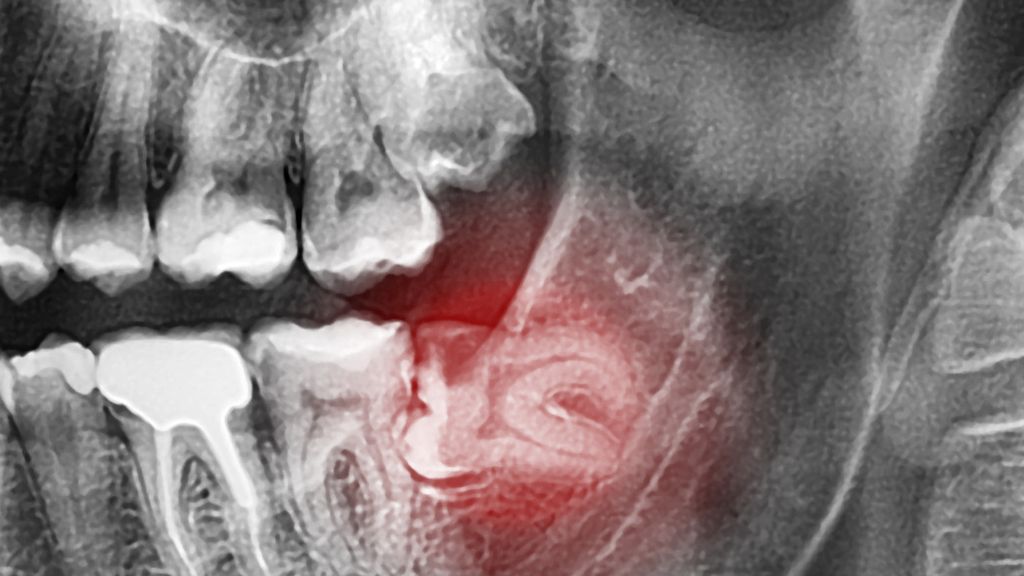
Losing a single tooth might not seem like a major crisis, but it can set off a chain of events that affects your bite, your bone structure, and your confidence in your smile. The good news is that modern dentistry offers reliable solutions. The two most common options are a traditional dental bridge and a dental implant-supported restoration.
Both can fill the gap left by tooth loss, but they work very differently and have very different lifespans. If you are trying to decide which one is right for you, this breakdown will help you understand what each option involves, how long each tends to last, and what factors matter most when making the choice.
What Is a Dental Bridge?
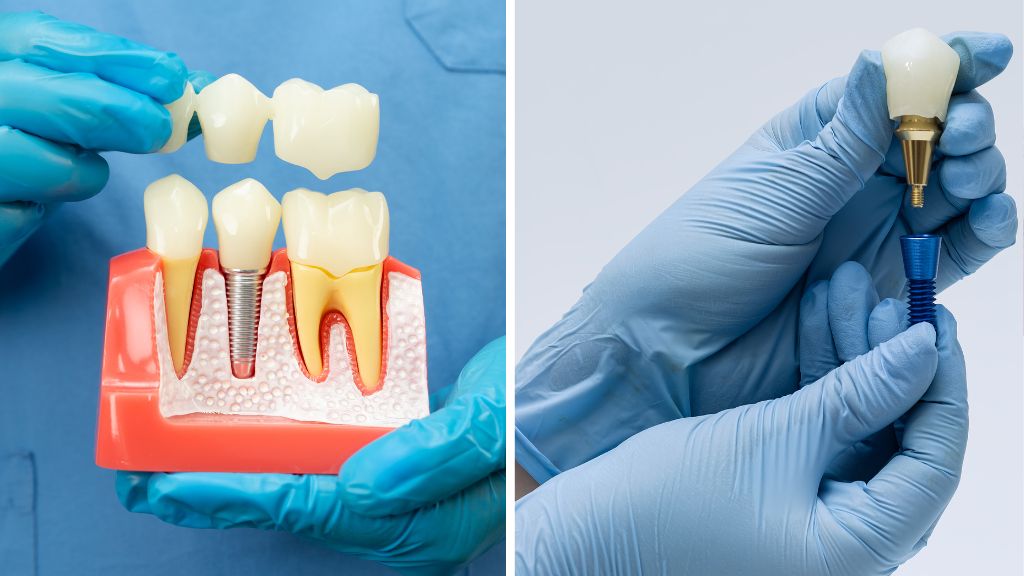
A dental bridge is a fixed prosthesis that replaces a missing tooth by anchoring an artificial crown to the teeth on either side of the gap. Those neighboring teeth, called abutment teeth, are filed down and capped to support the false tooth sitting in the middle. The result is a connected row of three crowns that looks and functions like natural teeth.
There are a few types of bridges.
- Traditional Fixed Bridge – Uses two abutment teeth to support a pontic (the replacement tooth).
- Cantilever Bridge – Used when there is only one adjacent tooth available to serve as support.
- Maryland Bridge – Sometimes called a resin-bonded bridge, it uses metal or porcelain wings bonded to the backs of neighboring teeth, avoiding the need for crowns.
How Long Does a Dental Bridge Last?
According to research referenced by the Cleveland Clinic, dental bridges typically last between 10 and 15 years with proper care. Some patients keep their bridges in good shape for longer, but it depends heavily on oral hygiene and whether any decay or periodontal disease develops underneath or around the bridge.
Maintaining a bridge requires extra attention because food and dental plaque can collect under the pontic. Since you cannot use dental floss normally through the connected crowns, you will need a floss threader or water flosser to clean beneath the bridge. Skipping this step leads to tooth decay and gingivitis in the abutment teeth, which can shorten the bridge’s functional life significantly.
What Is an Implant-Supported Restoration?
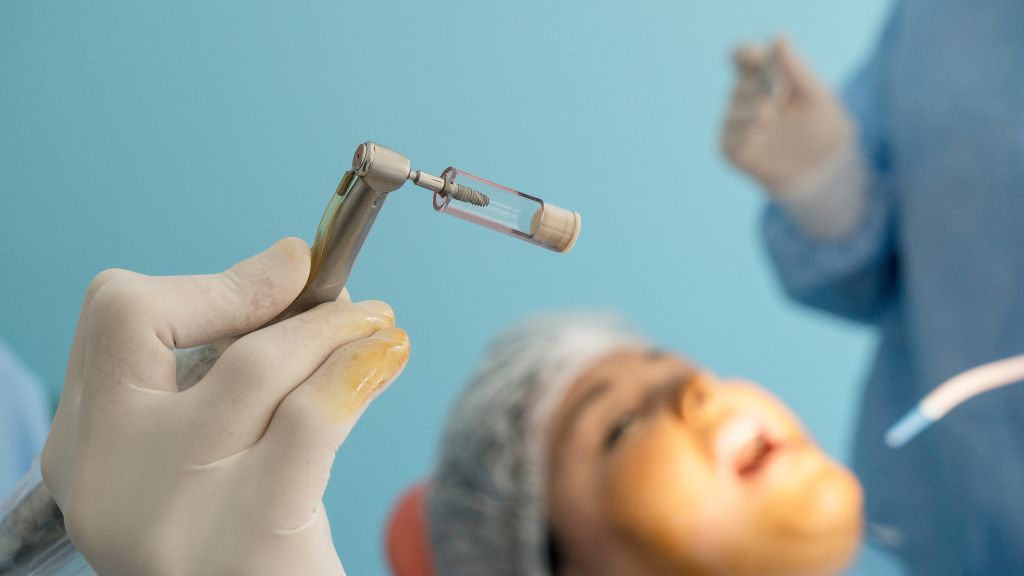
A dental implant is a small titanium post surgically placed into the jaw to act as an artificial tooth root. Over a period of months, the implant fuses with the surrounding bone through a process called osseointegration. Once that bond is secure, a custom crown (dental restoration) is attached on top, completing the restoration.
Unlike a bridge, an implant does not rely on neighboring teeth for support. It stands on its own, which means the healthy teeth surrounding the gap remain completely untouched. That independence is one of the biggest advantages of an implant-supported restoration from both a structural and an aesthetic standpoint.
How Long Do Dental Implants Last?
Dental implants are widely regarded as the longest-lasting solution for tooth loss. The titanium post itself can last a lifetime when properly integrated into the mandible and cared for well. The crown attached to the implant may need to be replaced after 10 to 20 years due to normal wear, but the implant itself typically remains stable.
The key to implant longevity is osseointegration. If the implant fully bonds to the surrounding bone and the patient maintains healthy gums, the risk of implant failure drops significantly.
Conditions like periodontal disease, uncontrolled diabetes, or low bone density can affect healing and integration, which is why a thorough evaluation is important before proceeding with this option.
Comparing Bridge vs Implant: The Core Differences
When you set these two options side by side, the differences become clear across several areas that matter to patients.
Bone Preservation
One of the most important distinctions. When a tooth is lost, the jaw bone underneath begins to resorb, or shrink, because it no longer has a tooth root stimulating it. A bridge sits above the gum line and does nothing to stop this bone loss. An implant, because it is embedded in the bone, actually mimics the function of a natural tooth root and helps preserve bone density over time.
Impact on Adjacent Teeth
Another significant factor. A bridge requires the abutment teeth to be permanently altered. Healthy enamel is removed, and those teeth become permanently dependent on their crowns. If something goes wrong with the bridge, those teeth are affected too. Implants leave neighboring teeth completely intact.
Oral Hygiene Complexity
This differs as well. Bridges require more specialized cleaning techniques to prevent plaque buildup beneath the pontic. Implants can be brushed and flossed just like natural teeth, which makes daily maintenance more straightforward.
Cost and Budget
Considerations of these also come into play. Bridges typically have a lower upfront cost, which makes them an appealing choice for patients working within a tighter budget. Dental insurance may cover a portion of bridge treatment more readily than implants, although coverage varies widely. Implants require a larger initial investment but tend to cost less over a lifetime because they rarely need full replacement.
When Might a Bridge Be the Better Option?
There are circumstances where a dental bridge is a more practical or appropriate choice.
- If bone loss after tooth loss has been significant and bone grafting is not an option, there may not be enough jaw bone to support an implant.
- Patients with certain health conditions that interfere with healing, or those who prefer to avoid surgery, may be better suited for a bridge.
- A bridge can also be a faster solution. The process typically takes a few weeks from preparation to placement, whereas the implant process including osseointegration can take several months.
- Hypodontia, a condition where certain teeth are congenitally missing, sometimes results in adjacent teeth being in positions that naturally lend themselves to bridge placement. In those cases, a bridge may align better with the existing dental anatomy.
When Is an Implant the Smarter Long-Term Investment?
For patients who are healthy, have adequate bone density, and are looking for the most durable long-term solution, an implant-supported restoration is usually the better investment. The combination of bone preservation, independence from neighboring teeth, and a lifespan that can stretch decades makes it the closest thing to replacing a natural tooth that dentistry currently offers.
If bone loss has occurred due to tooth loss or periodontal disease, bone grafting can often be performed first to rebuild the jaw and prepare the site for a successful implant. The team at CTX Oral Surgery and Dental Implants regularly performs bone grafting procedures to give patients the foundation they need for implant placement.
Patients who prioritize long-term health outcomes, natural chewing function, and aesthetics that hold up over time will generally find that implants deliver a better return on investment, even accounting for the higher upfront cost.
What About Other Alternatives?
It is worth mentioning that bridges and implants are not the only choices.
- A removable partial denture is another option for replacing a single tooth or multiple missing teeth. Partial dentures are less expensive and do not require surgery, but they are also less stable, less comfortable, and more likely to affect speech and chewing over time. They do not address bone loss either.
- For patients dealing with the loss of multiple teeth, All-On-4 dental implants offer a full-arch restoration supported by just four strategically placed implants. That is a different conversation from single tooth replacement, but it reflects the same principle that implant-supported solutions tend to outperform removable or bridge-based options in terms of longevity and quality of life.
Frequently Asked Questions
Does a dental bridge damage the surrounding teeth?
Placing a bridge requires permanently altering the abutment teeth by removing enamel and placing crowns on them. This is irreversible and makes those teeth more dependent on ongoing dental care. It does not necessarily cause damage immediately, but it does introduce long-term risks related to decay, inflammation, and gum tissue health around those teeth.
Can an implant fail?
Yes, implant failure can occur, though it is relatively uncommon in healthy patients. Risk factors include smoking, periodontal disease, insufficient bone density, and certain systemic health conditions. Choosing a qualified oral and maxillofacial surgeon and following post-operative instructions carefully significantly reduces these risks.
Is a cantilever bridge a good idea for a single missing tooth?
A cantilever bridge relies on only one adjacent tooth for support, which places greater stress on that tooth. Most dentists and oral surgeons recommend traditional bridges or implants over cantilever bridges when possible because of the increased mechanical load they place on the supporting tooth.
What does osseointegration mean for my recovery timeline?
Osseointegration is the process by which the titanium implant fuses with your jaw bone. This typically takes three to six months. During that time, the implant is healing beneath the gum line. Once integration is complete, the permanent crown is placed. Patience during this phase is essential for achieving a stable, long-lasting result.
Which Option Lasts Longer: Bridge or Implant?
Choosing between a single tooth replacement bridge and an implant-supported restoration comes down to your health, timeline, and long-term goals. Bridges are accessible and effective, but implants typically last longer and do more to protect your jaw and neighboring teeth.
If you are ready to explore your options with a surgical team that prioritizes your individual needs, reach out to CTX Oral Surgery and Dental Implants at 512-737-3266 or 254-773-4444 to schedule a consultation about dental implants.