If you have ever lost a tooth – or worried about losing one – you have probably stumbled across the word “permanent” in every dental implant advertisement you have ever seen. But what does permanent actually mean when we are talking about a tiny titanium post anchored into your jaw? And is the promise of permanence realistic, or is it just good marketing?
The honest answer sits somewhere in between, and it is worth understanding before you make any decisions about your smile or your oral health.
What Makes a Dental Implant Different From Other Tooth Replacements
To understand longevity, you have to understand what a dental implant actually is.
- Unlike a removable partial denture or a dental bridge, a dental implant is a prosthesis that integrates directly with your bone.
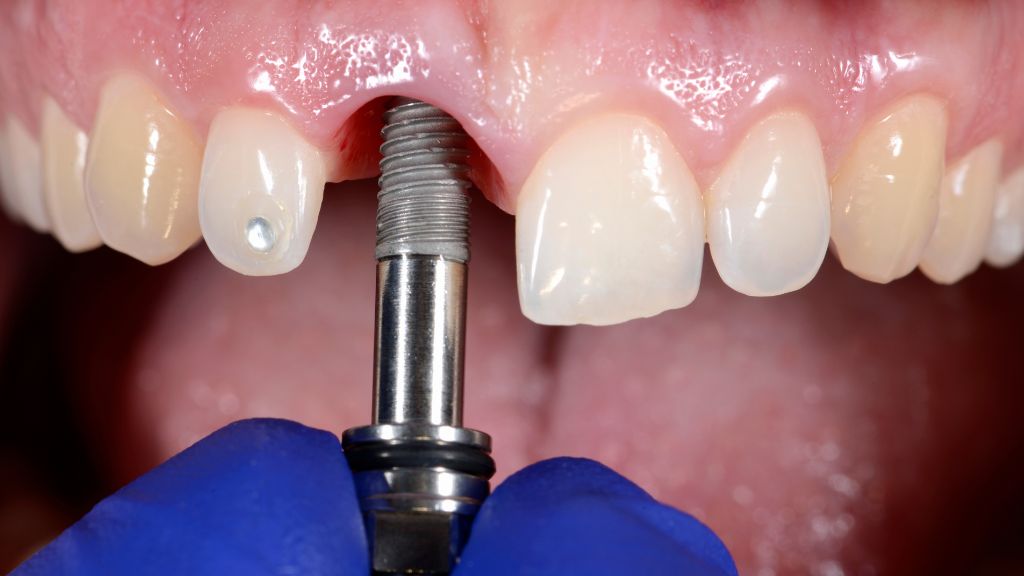
- The implant itself is a small titanium post surgically placed into the mandible – or upper jaw, depending on which tooth is being replaced.
- Over time, the bone fuses around that post in a process called osseointegration. That fusion is what gives implants their reputation for stability and durability.
On top of the implant sits an abutment, and on top of that sits the crown – the part that looks and functions like your natural tooth. Each component plays a role in the overall lifespan of the restoration.
So, Are Dental Implants Actually Permanent?
Here is where the nuance matters. The titanium post that integrates with your jawbone? That part can genuinely last a lifetime when properly placed and cared for. Research from institutions like the Mayo Clinic and Cleveland Clinic suggests that implant success rates remain well above 90 percent over ten to twenty years, and many patients go decades without any issues.
The crown sitting on top, however, is a different story. Crowns are made from materials like porcelain or ceramic, and they endure real wear – chewing, grinding, the daily grind of life in your mouth. Most crowns need to be replaced somewhere between ten and twenty-five years, depending on how well they are maintained and the habits of the patient.
So when someone asks whether dental implants are permanent, the better framing is this: the implant foundation can be lifelong, while the visible crown is a long-lasting but replaceable dental restoration.
What Affects How Long Implants Last
Your Bone Health Matters More Than Most People Realize
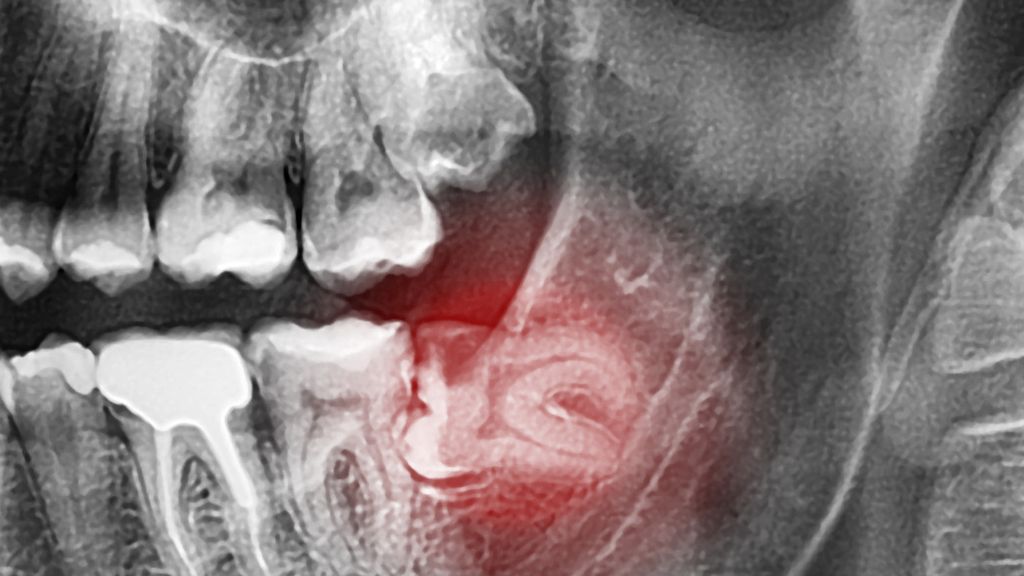
Osseointegration depends on having adequate bone density and volume. Patients with conditions like osteoporosis or those who have experienced significant tooth loss over time may have less bone available to support an implant. That is why bone grafting is sometimes performed before implant placement – to build up the jaw so it can properly anchor and support the implant long-term.
Your surgeon will review your medical history, bone anatomy, and overall health to determine whether grafting is needed before moving forward.
Gum and Periodontal Health Play a Significant Role
Periodontal disease is one of the leading causes of implant failure. Infection in the gums surrounding the implant – sometimes called peri-implantitis – can compromise the bone and lead to implant loss if left untreated. Periodontology and prosthodontics both emphasize that maintaining healthy gum tissue is essential to protecting your investment.
Regular cleanings, consistent oral hygiene at home, and routine check-ins with a health professional are not optional when you have implants. They are part of the deal.
Lifestyle Choices Have a Real Impact
Smoking significantly reduces implant success rates by impairing healing and reducing blood flow to the gums and bone. Uncontrolled diabetes, certain medications, and a history of radiation to the jaw area can also affect how well the bone integrates with the implant.
This is not meant to discourage anyone. It is meant to give you an accurate picture of what your surgeon needs to evaluate as part of your care plan.
What the Procedure Actually Involves
For patients unfamiliar with oral and maxillofacial surgery, the process of getting dental implants is more involved than a routine dental visit, but far less intimidating than most people expect.
At CTX Oral Surgery and Dental Implants, the surgeons are board-certified in oral and maxillofacial surgery and trained in anesthesia, including IV sedation, so patients stay comfortable throughout the procedure. You are not just handed a local numbing shot and told to relax. The team works to ensure you feel genuinely at ease.
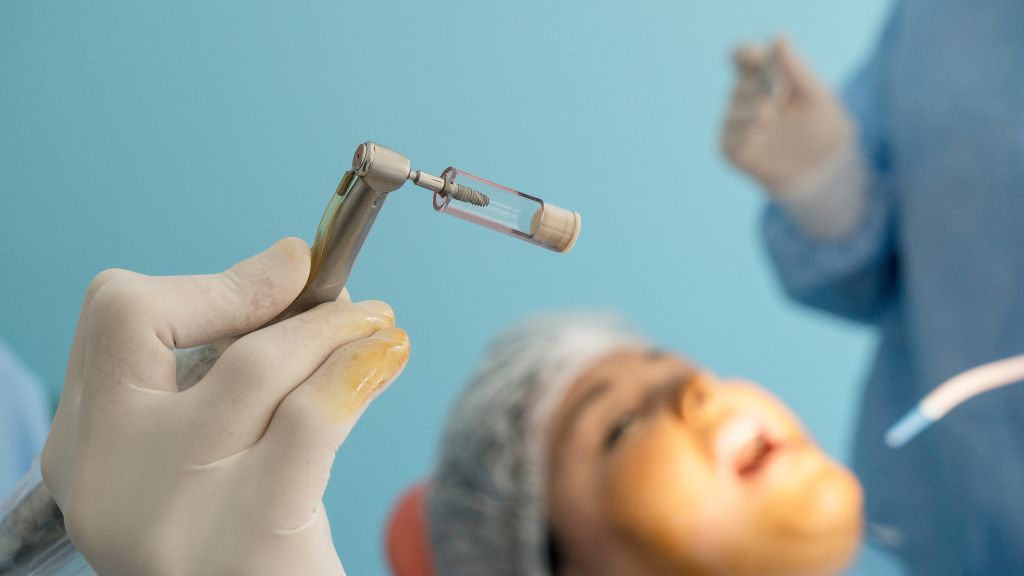
- The surgical placement itself involves making a small incision in the gum tissue.
- Preparing the site in the jawbone.
- Positioning the implant.
There is typically some swelling – referred to clinically as edema – and mild pain in the days following surgery, both of which are managed with medication and post-operative guidance from the team.
Healing and osseointegration take several months, after which the abutment and final crown are placed to complete your dental restoration.
When Implants Are Not Enough on Their Own: Full Mouth Options
For patients dealing with extensive tooth loss across an entire arch, single implants may not be the most practical solution. Full mouth dental implants – sometimes called All-On-4 dental implants – use a small number of strategically placed implants to support an entire set of teeth.
This approach is a meaningful alternative to traditional dentures and offers significantly more stability, comfort, and function. It also relies on the same osseointegration principle, meaning the long-term success of full mouth dental implants depends on the same factors: bone quality, gum health, and consistent care.
If you have been researching full mouth dental implants and wondering whether they share the same permanence as single implants, the short answer is yes – with the same caveats about crown maintenance and ongoing oral hygiene.
FAQs About Dental Implant Longevity
How long do dental implants actually last?
The implant post itself can last twenty years or longer – often a lifetime. The crown typically lasts ten to twenty-five years before needing replacement.
Can an implant fail after years of success?
Yes, though it is uncommon. Infection, bone loss, disease, trauma, or changes in overall health can lead to implant failure even after successful osseointegration. Early detection and good hygiene dramatically reduce this risk.
Does getting implants hurt?
Discomfort during recovery is normal and manageable with medication. Most patients report that the procedure itself – performed under anesthesia or sedation – is far less painful than they anticipated.
Do implants require special care?
They need the same care as natural teeth: brushing, flossing, and regular visits to a dentist or oral health professional. There are no overnight soaking routines like with dentures.
Is bone grafting always necessary?
Not always. It depends on the patient’s bone volume and density. Your surgeon will assess this during your consultation and discuss options if grafting is recommended.
Are Dental Implants Permanent? What to Expect Long-Term
Dental implants are about as close to permanent as modern dentistry gets – but calling them permanent without explanation does a disservice to anyone planning their oral health future.
The foundation can last a lifetime. The crown requires eventual replacement. And the whole system depends on healthy bone, healthy gums, and consistent care. If you are ready to explore whether implants are right for your situation, learn more about dental implants at CTX Oral Surgery and Dental Implants or call 512-737-3266 to schedule a consultation with our board-certified surgical team.