If you’ve been told you need your wisdom teeth out, your first question is probably not “when can I schedule?” It’s more likely, “how bad is this actually going to hurt?” That’s a fair question, and you deserve a straight answer – not a vague reassurance that everything will be fine.
The truth is, wisdom tooth extraction is one of the most common oral surgeries performed, and for most patients, the experience is far more manageable than the fear surrounding it. Here’s what you can realistically expect.
What Happens During the Procedure
Before any tooth is touched, your surgeon will make sure you’re comfortable. Most wisdom tooth removals are performed under local anesthesia, IV sedation, or general anaesthetic – depending on the complexity of your case and your personal comfort level.
If you’re awake, you’ll feel pressure as the surgeon works to loosen the tooth from the dental alveolus and surrounding bone. What you won’t feel is sharp pain. The injection of local anesthetic numbs the area completely, and if you opt for IV sedation, most patients have little to no memory of the procedure at all.
What About Impacted Wisdom Teeth?
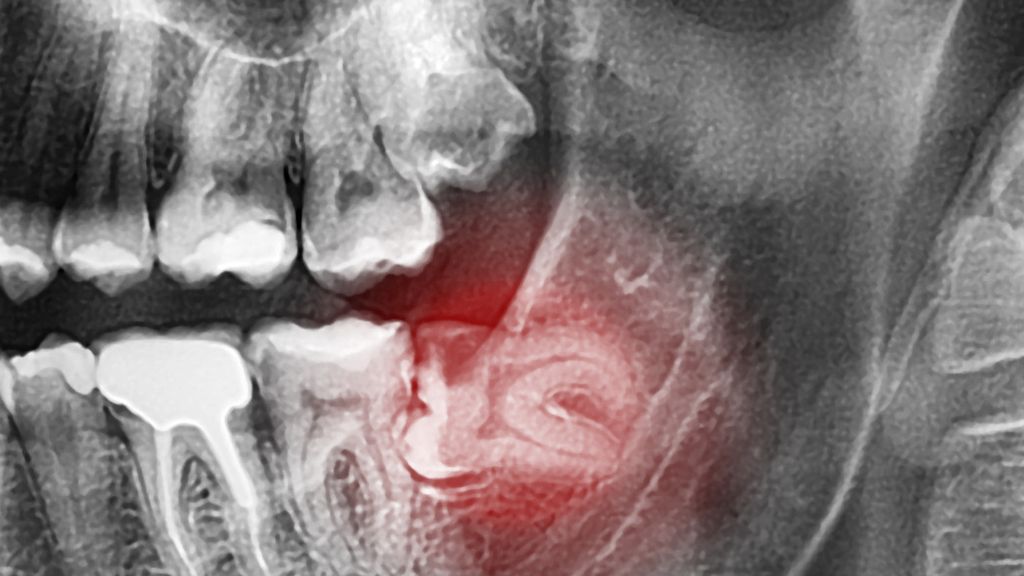
Impacted wisdom teeth are ones that haven’t fully broken through the gums – sometimes they’re sideways, partially buried in bone, or pressing against the adjacent molar. These cases are more involved and typically require a small incision in the gum tissue, removal of bone around the tooth, and sometimes sectioning the tooth into pieces for easier removal.
The surgical complexity goes up, but so does the level of anesthesia and care. Board-certified oral and maxillofacial surgeons handle these cases routinely, and their hospital-based surgical training means they’re equipped for even the most challenging extractions.
Pain After the Extraction: What’s Normal
Once the anesthesia wears off, some discomfort is expected. Most patients describe it as a dull ache or soreness in the jaw, cheek, and surrounding gum tissue. Swelling – also called edema – typically peaks around 48 to 72 hours after surgery and then gradually improves.
Over-the-counter analgesics like ibuprofen and paracetamol are usually enough to keep post-operative pain under control. Your surgeon may also prescribe a stronger pain management option depending on your individual situation.
Tips for Managing Recovery at Home
Your wound heals faster when you protect it. A blood clot forms in the extraction socket, and protecting that thrombus is critical to avoiding a painful complication called alveolar osteitis – more commonly known as dry socket.
To support healing during the first few days:
- Bite gently on gauze to control bleeding right after surgery
- Avoid straws, smoking, and vigorous rinsing that could dislodge the clot
- Stick to soft foods like mashed potato, apple sauce, and yogurt
- Take your analgesic on schedule rather than waiting for pain to build
- Use a gentle saltwater mouthwash after the first 24 hours as directed
- Stay hydrated with water and avoid hard, crunchy food
Bruising along the jaw and cheek is also common and not a cause for alarm. It typically fades within a week or so.
When Should You Be Concerned
Most patients recover smoothly, but it’s important to know the warning signs of complications.
- Infection is one risk to watch for – symptoms include increasing pain after the third day, fever, or unusual discharge from the wound. Bacteria can colonize the socket if post-operative instructions aren’t followed carefully.
- Nerve sensitivity is another consideration, particularly with lower wisdom teeth that sit near the inferior alveolar nerve. Temporary numbness or tingling in the lip, tongue, or chin is possible, though permanent nerve damage is rare when the surgery is performed by an experienced oral surgeon.
According to resources like the Mayo Clinic, the risks associated with wisdom tooth removal are generally low when the procedure is done by a qualified surgeon in a proper clinical setting.
Why Waiting Can Make Things Worse
Some patients put off extraction hoping the problem resolves itself. Unfortunately, impacted wisdom teeth don’t tend to improve on their own. Left in place, they can contribute to tooth decay, dental plaque buildup, periodontal disease, infection, and even damage to permanent teeth nearby.
An X-ray gives your surgeon a clear picture of where the tooth sits relative to the bone, nerve, and adjacent molars. Early evaluation is almost always better than waiting for pain or disease to force the decision.
Does Everyone Need General Anaesthesia
No – and most wisdom tooth extractions don’t require it. A combination of local anesthesia and a sedative is often enough to keep patients relaxed and pain-free throughout the procedure.
General anaesthetic is typically reserved for patients with significant anxiety, complex surgical cases, or medical conditions that require a higher level of monitoring.
Your surgeon will walk through the options with you before anything is scheduled. The goal is always to match the level of sedation and anesthesia to what makes the most sense for your specific situation.
What to Expect After Wisdom Tooth Extraction
Wisdom tooth extraction is rarely as painful as people expect – especially when performed by a skilled oral surgeon with proper anesthesia and clear post-operative guidance. Discomfort is manageable, recovery is temporary, and the alternative of leaving a problematic tooth in place often carries far greater long-term risk.
If you’re in the Georgetown area and wondering whether your wisdom teeth need to come out, explore your options with CTX Oral Surgery and Dental Implants’ Wisdom Teeth Removal page or call 512-737-3266 to schedule a consultation.