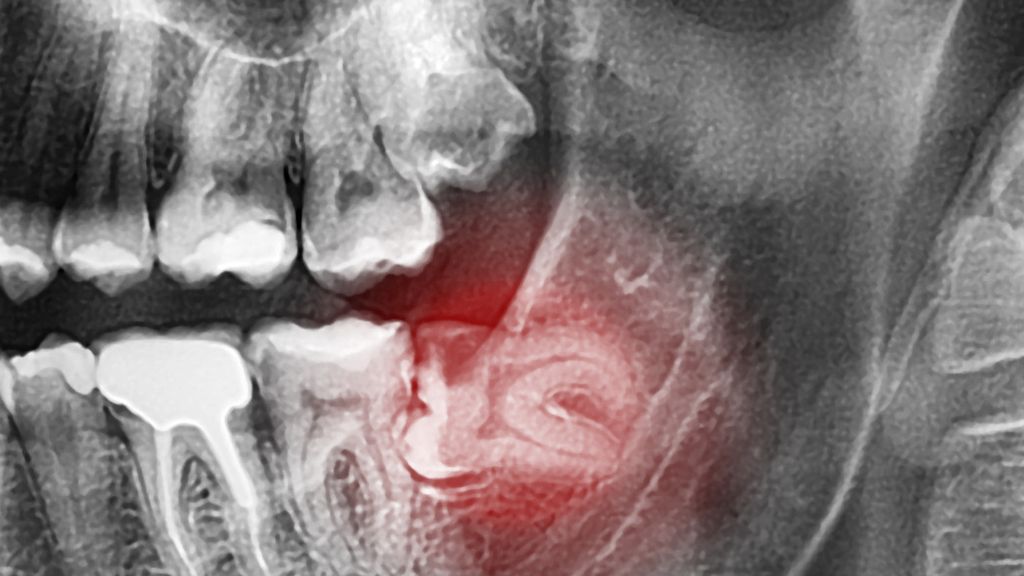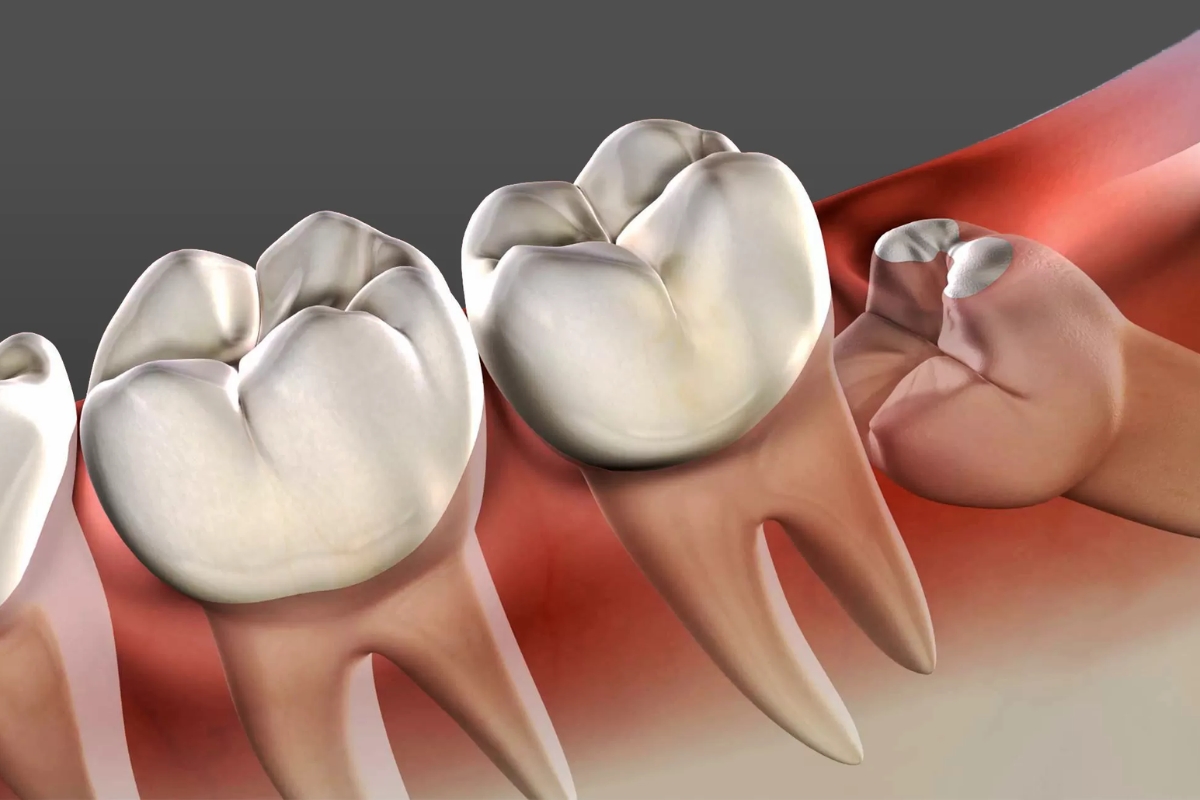
For many people, the fear of pain is the number one reason they put off wisdom teeth removal, sometimes for years. It’s a completely understandable concern, but the reality is far less intimidating than most people expect. Here’s an honest look at what you’ll actually feel before, during, and after the procedure.
During the Procedure: Will It Hurt?
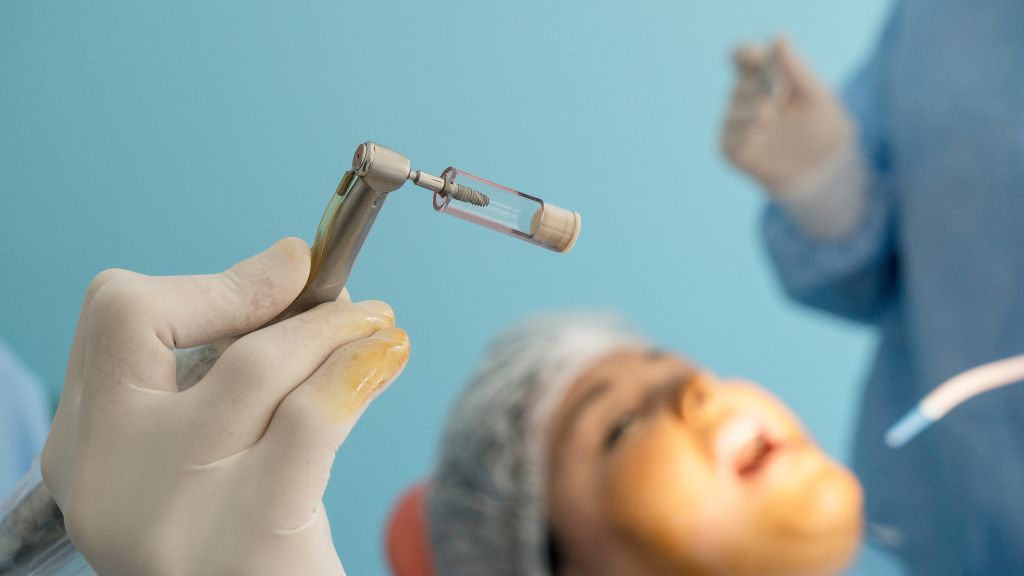
The short answer is no. Wisdom teeth removal is performed under anesthesia, which means you won’t feel pain during the extraction itself. Before the procedure begins, your oral surgeon will administer local anesthesia to fully numb the area. Depending on your case and comfort level, you may also have the option of nitrous oxide, oral sedation, or IV sedation for a deeper state of relaxation. What you may feel during the procedure is pressure and movement, but not pain. Many patients are surprised by how straightforward the experience feels once they’re in the chair.
After the Procedure: What’s Normal?
Some degree of discomfort after wisdom teeth removal is normal and expected. As the anesthesia wears off in the hours following surgery, you may notice soreness in the jaw, swelling around the cheeks, and mild throbbing at the extraction sites. This is your body’s natural healing response, not a sign that something has gone wrong.
The good news is that post-operative discomfort is very manageable. Your surgeon will send you home with clear instructions and, in most cases, a prescription for pain medication to keep you comfortable in the first few days. Over-the-counter options like ibuprofen can also be effective for mild to moderate soreness.
The First 72 Hours
Swelling and soreness typically peak around days two and three before gradually improving. During this window, a few simple steps can make a significant difference:
- Ice packs applied to the outside of the cheeks in 20-minute intervals help reduce swelling, especially in the first 24 hours.
- Soft foods like yogurt, mashed potatoes, smoothies, and soup keep you nourished without putting stress on the surgical sites.
- Rest gives your body the energy it needs to heal. Most people take two to three days off work or school.
- Avoiding straws and smoking is critical, the suction can dislodge the blood clot forming in the socket, leading to a painful condition called dry socket.
What Is Dry Socket, and Should You Be Worried?
Dry socket is the most common complication following wisdom teeth removal, occurring when the protective blood clot is disrupted before the socket has had a chance to heal. It can cause a sharp, radiating pain that typically develops three to four days after surgery.
While it sounds alarming, dry socket is treatable and relatively easy to avoid by following your surgeon’s post-operative instructions. If you do develop it, a quick follow-up visit is all it takes to get relief.
Related: Learn everything you need to know about wisdom tenths
When Will You Feel Back to Normal?
Most patients feel significantly better within a week and return to their normal routine shortly after. Full healing of the gum tissue takes a few weeks, but for the majority of people, the recovery is far more manageable than they anticipated going in.
The Bottom Line
Wisdom teeth removal is not the painful ordeal it’s often made out to be. With modern anesthesia, experienced surgeons, and proper aftercare, most patients find the experience far easier than expected. The discomfort that follows is temporary, and addressing problematic wisdom teeth now prevents far greater pain down the road.
Don’t Let Fear Hold You Back
At CTX Oral Surgery & Dental Implants, we understand that anxiety about pain is one of the biggest reasons people put off wisdom teeth removal, and we’re here to put your mind at ease. Our board-certified oral and maxillofacial surgeons prioritize your comfort at every stage, from anesthesia to recovery.